The South African Reserve Bank has stated that recently imposed United States tariffs on South African imports are expected to exert only a modest drag on the country’s economic growth, with inflation likely to remain broadly unaffected.
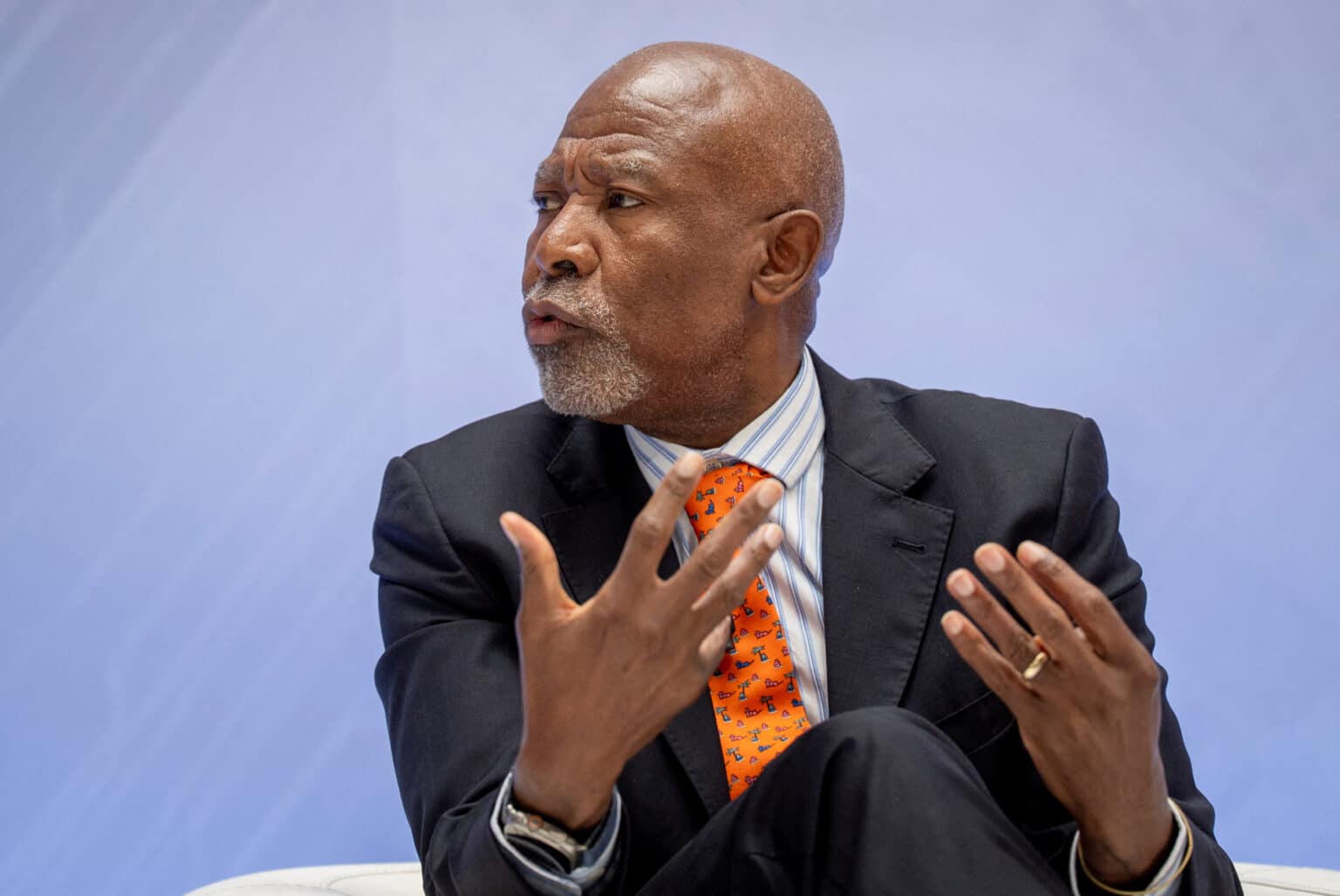
In remarks delivered at the Bank’s Annual General Meeting on Friday, Governor Lesetja Kganyago indicated that while the tariff rate—set at 30% following the expiry of a trade agreement—represents the highest applied to any Sub-Saharan African nation, its macroeconomic consequences are expected to be contained. The measure came into effect after Pretoria was unable to finalise a trade arrangement before the deadline set by US President Donald Trump.
President Cyril Ramaphosa held discussions with the US President earlier this week in an effort to expedite negotiations. Industry groups and central bank officials had previously cautioned that the duties could threaten tens of thousands of jobs, particularly in export-oriented manufacturing sectors.



However, Kganyago emphasised that while the United States is a significant trading partner, it does not hold the same weight as the European Union, China, or the Southern African Development Community. According to the South African Revenue Service, in June 2025 the United States accounted for approximately 7% of South African exports, compared with China’s 12% and Germany’s 8%.
The central bank’s latest projections incorporate the elevated tariff rate, but this has resulted in only a minor revision to the 2025 growth forecast—downward by roughly 0.1 percentage points. Economic growth for the year is now anticipated at around 1%, consistent with the slow expansion that has characterised the past decade.
“This is a setback, but not catastrophic,” Kganyago said, noting that broader global economic uncertainties, including weaker international demand, have contributed more substantially to South Africa’s subdued outlook.

Despite the introduction of the tariffs, South African financial markets have remained resilient. Research firm ETM Analytics observed that investors remain confident in the capacity of South African exporters to adapt, either through cost adjustments or by diversifying into new markets.
The development underscores the complex interplay between geopolitics, trade policy, and macroeconomic performance, and suggests that while the tariffs present a challenge, their effect is unlikely to derail the country’s economic trajectory in the near term.