Tuesday, June 30, 2026
  • Login
The Southern African Times
  • Home
  • Southern Africa
  • Business
    • African Start ups
    • African Continental Free Trade Area
  • Technology
    • Lifestyle
      • Health
      • Culture
      • Food and Drink
      • Entertainment
  • Opinion
  • Sports
  • SAT Jobs
    • Events
  • About Us
    • Advertise with Us
    • Contact Us
No Result
View All Result
  • Home
  • Southern Africa
  • Business
    • African Start ups
    • African Continental Free Trade Area
  • Technology
    • Lifestyle
      • Health
      • Culture
      • Food and Drink
      • Entertainment
  • Opinion
  • Sports
  • SAT Jobs
    • Events
  • About Us
    • Advertise with Us
    • Contact Us
No Result
View All Result
The Southern African Times
No Result
View All Result
Home Opinion

Vodacom doubles down in R13bn Remgro fibre deal, MTN sells its towers

by SAT Reporter
November 24, 2021
in Opinion
0
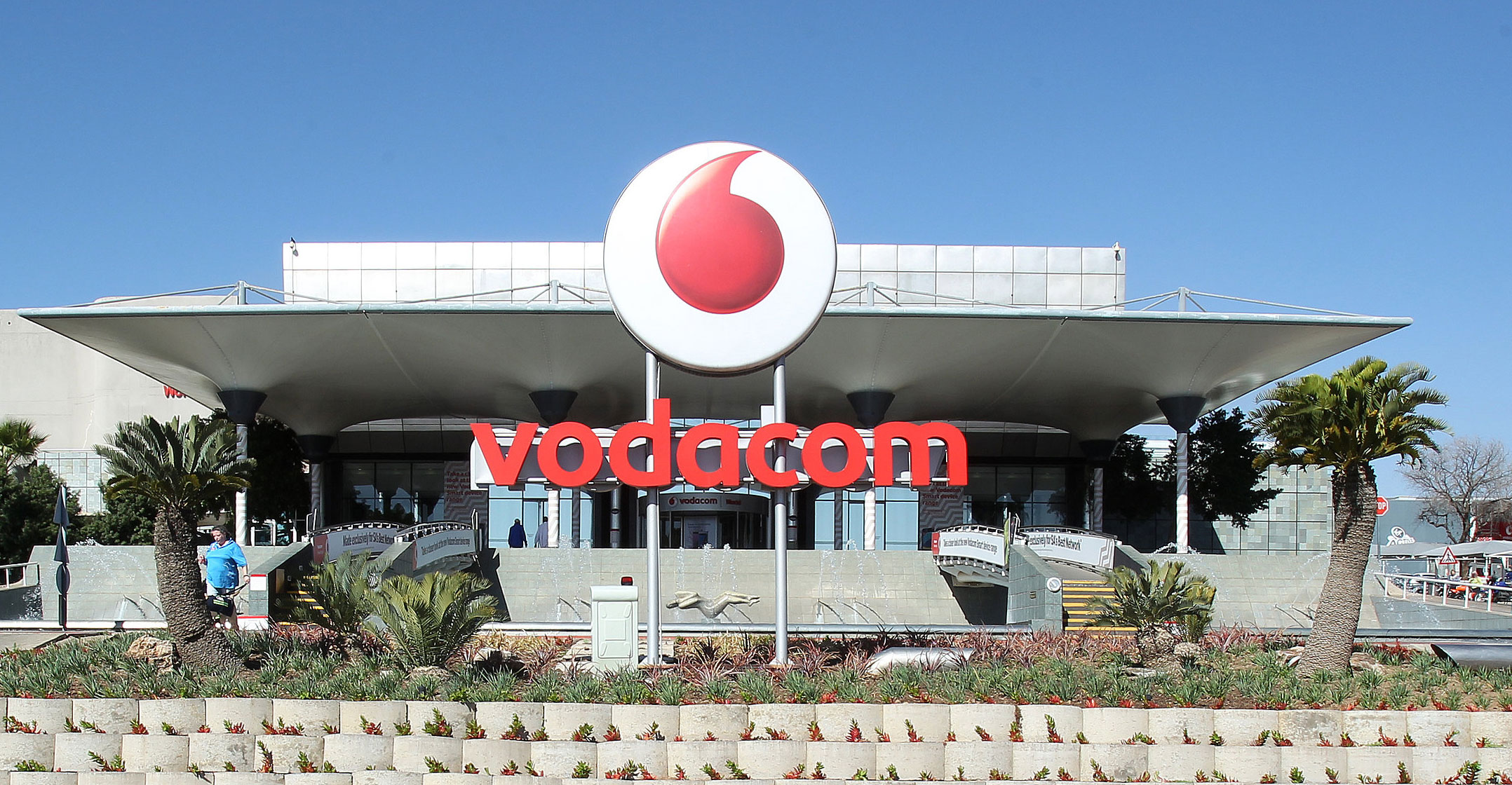
Vodacom doubles down in R13bn Remgro fibre deal, MTN sells its towers

If you didn’t already know the future of internet connectivity involved fibre, this month’s massive R13.2-billion deal between Vodacom and Remgro to combine their fibre offerings into a new infrastructure company should be enough confirmation.

Vodacom will combine its fibre assets, worth R4.3-billion, with that of Remgro’s 57%-owned Community Investment Ventures Holdings (CIVH), which will combine its Dark Fibre Africa (DFA) and Vumatel into the new InfraCo venture.

Vodacom is injecting R6-billion in cash, and will hold 30% of the new company, with an option to acquire another 10%.

This kind of consolidation is part of a global trend as telecoms firms realise the importance of economies of scale in an increasingly complex business. Providing internet connectivity via fibre or cellular is now part of what many connectivity companies, including cellular operators, must offer.


ADVERTISEMENT

“As we move into a 5G world, the roll-out of DFA and Vumatel will help us to optimise our costs from sharing, especially in areas like fibre to the base station,” said Vodacom Group CEO Shameel Joosub.

This deal will give a leg up to Vodacom’s Africa.connected campaign, he added, “which seeks to build on our existing efforts to close the digital divide to ensure that everyone on the continent can enjoy the full benefits of a digitalised society as we connect the next 100 million people in Africa”.

Vumatel is its own success story, having been the first independent fibre network for the fibre-to-the-home market, which then was acquired by CIVH. It’s a wholesale open-access network, which has 31,000km of fibre and connects 1.2 million homes.

DFA is focused on so-called dark fibre, carrier-grade connectivity that it builds, installs and operates as a national metro fibre network. This is 13,000km long with 37,000 connections, mostly to enterprise customers.

The tie-up between the consumer-focused Vumatel and the enterprise-orientated DFA is not only good for Vodacom’s bottom line, as Joosub pointed out, in providing much-needed connectivity for base stations, but also useful for many knock-on effects.

As a consumer, you would expect some added value from combining service providers, not least of which is consolidating two monthly invoices into one. If you are already a Vodacom cellular subscriber and a Vumatel fibre customer, as I am, it makes sense to consolidate these two services into one.

Vodacom already offers Wi-Fi calling, which routes voice calls through wireless hotspots, thereby offloading some traffic from cellular on to a fixed connection. Using a fibre connection that is part of the Vodacom extended network can only make it more efficient.

Many cellular operators have offloaded their base stations to another company that specialises in running them, London-based IHS Towers. On 17 November, MTN, the largest mobile operator in Africa, concluded its R6.4-billion deal to sell and lease back its 5,709 towers in South Africa to IHS.

The reason for this is simple: cut costs. It would have been unthinkable a decade ago for a cellular operator to own and build its own mobile network. This was because of the initial land grab by operators from the early 1990s to build a network to reach as many people as possible.

In many ways, the network was the business; the physical way to make a cellphone call was over a network. But the shift towards data over voice has changed the priorities of operators, especially given how smartphones have made “the mobile internet” just “the internet”. This has induced as significant a sea change in operating models for operators. Why own your own network when you can outsource it, get a cash return on your investment, and move that significant cost from capex into opex?

Clearly, IHS knows a thing or two about economies of scale, which will certainly be helpful when upgrading its 27,000 towers in nine countries in Africa, the Middle East and South America to the incoming 5G standard. Negotiating for that many towers in the fast-growing emerging markets must include meaningful discounts, one imagines.

Interestingly, Vodacom, which is the largest network in South Africa, has decided to do the opposite. It has spent R47-billion on its network over the past five years and spent R5.6-billion this year alone, up 11% from R5-billion a year ago.

It’s worth remembering that Vodafone, Vodacom’s owner, has a similar fibre-plus-mobile strategy in the UK and Europe, which must inform the South African infrastructure consolidation.

It clearly sees a strong future in owning the network, as much as MTN sees similar riches in outsourcing them. These two divergent business models are a sign of how the mobile industry continues to mature, while IHS – only founded in 2001 in Lagos – has become something of an emerging markets powerhouse. Who woulda thunk it?

Toby Shapshak is publisher of Stuff (Stuff.co.za) and Scrolla.Africa.

Previous Post

The Ecobank Group Secures €100 Million Credit Facility from European Investment Bank to Fund SMEs

Next Post

Making green financing a reality

SAT Reporter

Related Posts

LONG READ | The Oldest Alibi: South Africa’s Xenophobia and the Economic Ruin It Presages
Opinion

LONG READ | The Oldest Alibi: South Africa’s Xenophobia and the Economic Ruin It Presages

by Times Reporter
June 30, 2026
President Cyril Ramaphosa’s Opinion: How South Africa’s Natural Splendour Can Drive Inclusive Growth
Opinion

Op-Ed by President Ramaphosa | Protest Is Both a Right and a Responsibility

by Times Reporter
June 29, 2026
The Insurance Hack More Drivers Should Know
Opinion

The Insurance Hack More Drivers Should Know

by Times Reporter
June 22, 2026
Southern African Times Announces Brendan Amadi as Recipient of the 2026 Editorial Recognition of the Year Award
The Editorial Board

Southern African Times Announces Brendan Amadi as Recipient of the 2026 Editorial Recognition of the Year Award

by The Editorial Board
June 19, 2026
LONG READ | No Longer the World’s Dustbin: China’s Waste Ban and Africa’s Circular Economy Moment
Opinion

LONG READ | No Longer the World’s Dustbin: China’s Waste Ban and Africa’s Circular Economy Moment

by Times Reporter
June 12, 2026
Next Post
Making green financing a reality

Making green financing a reality

Browse by Category

  • Africa AI
  • African Continental Free Trade Area
  • African Debt
  • African Start ups
  • Agriculture
  • AI Africa
  • Algeria
  • All News
  • Analysis
  • Angola
  • Arts / Culture
  • Asia
  • Botswana
  • BOTSWANA
  • BREAKING NEWS
  • BRICS
  • Burkina Faso
  • Burundi
  • Business
  • Business
  • Business Wire
  • Cameroon
  • Central Africa
  • Chad
  • China
  • Climate Change
  • Climate Changev
  • Community
  • Congo Republic
  • Conservation
  • Côte d’Ivoire
  • COVID 19
  • CRYPTOCURRENCY
  • Culture
  • Democratic Republic of Congo
  • Diplomacy
  • Eastern Africa
  • Economic Development
  • Economy
  • Education
  • Egypt
  • Elections 2024
  • Energy
  • Entertainment
  • Environment
  • Eritrea
  • Ethiopia
  • Europe
  • Fashion
  • Feature
  • Finance
  • Financial Inclusion
  • Food
  • Food and Drink
  • Foods
  • GABON
  • Ghana
  • Global
  • Global Africa
  • Guinea
  • Health
  • Humanitarian Aid
  • Immigration
  • in Southern Africa
  • International news
  • International Relations
  • Investment
  • Ivory Coast
  • Just In
  • Kenya
  • Lesotho
  • Libya
  • Life Style
  • Lifestyle
  • Literature
  • Malawi
  • Malawi
  • Mali
  • Markets
  • Mauritius
  • Middle East
  • Mining in Africa
  • Morocco
  • Mozambique
  • Namibia
  • niger
  • Niger
  • Nigeria
  • North Africa
  • North-Eastern Africa
  • Obituaries
  • Obituary
  • Opinion
  • PARTNER CONTENT
  • Politics
  • Property
  • Racism
  • Rwanda
  • Rwanda
  • SADC
  • SAT Interviews
  • SAT Investigation
  • SAT Jobs
  • Saudi Arabia
  • Senegal
  • Seychelles
  • Somaliland
  • South Africa
  • South Sudan
  • Sports
  • Startup Africa
  • STOCK EXCHANGE
  • Sudan
  • Sustainability
  • Sustainablity
  • Tanzania
  • Technology
  • Telecommunications
  • The Editorial Board
  • The Power Of She
  • Togo
  • Trade
  • Travel
  • Travel
  • Tunisia
  • Uganda
  • Uncategorized
  • Wealth
  • West Africa
  • World
  • World
  • ZAMBIA
  • Zambia
  • ZIMBABWE
  • Zimbabwe

Browse by Tags

#NewsUpdate #SouthAfrica #SouthernAfricanTimes #TheSouthernAfricanTimes AfCFTA africa African Continental Free Trade Area African development African Development Bank African economies African economy African Union Agriculture Angola Botswana China Climate change critical minerals Cyril Ramaphosa Economic Development economic growth energy transition governance industrialisation Inflation Infrastructure Infrastructure Development International relations Investment Kenya Mozambique Namibia news Nigeria Regional Integration renewable energy Rwanda SADC South Africa Southern Africa sustainable development Tanzania United States Zambia Zimbabwe
ADVERTISEMENT

WHO WE ARE

The Southern African Times is a regional bloc digital newspaper that covers Southern African and world news. The paper also gives a nuanced analysis on news and covers a wide range of reporting which include sports, entertainment, foreign affairs, arts and culture.

Welcome Back!

Login to your account below

Forgotten Password?

Retrieve your password

Please enter your username or email address to reset your password.

Log In
  • Home
  • Southern Africa
  • Business
    • African Start ups
    • African Continental Free Trade Area
  • Technology
    • Lifestyle
      • Health
      • Culture
      • Food and Drink
      • Entertainment
  • Opinion
  • Sports
  • SAT Jobs
    • Events
  • About Us
    • Advertise with Us
    • Contact Us
Not enough quota to unlock this post
Unlock left : 0
Are you sure want to cancel subscription?