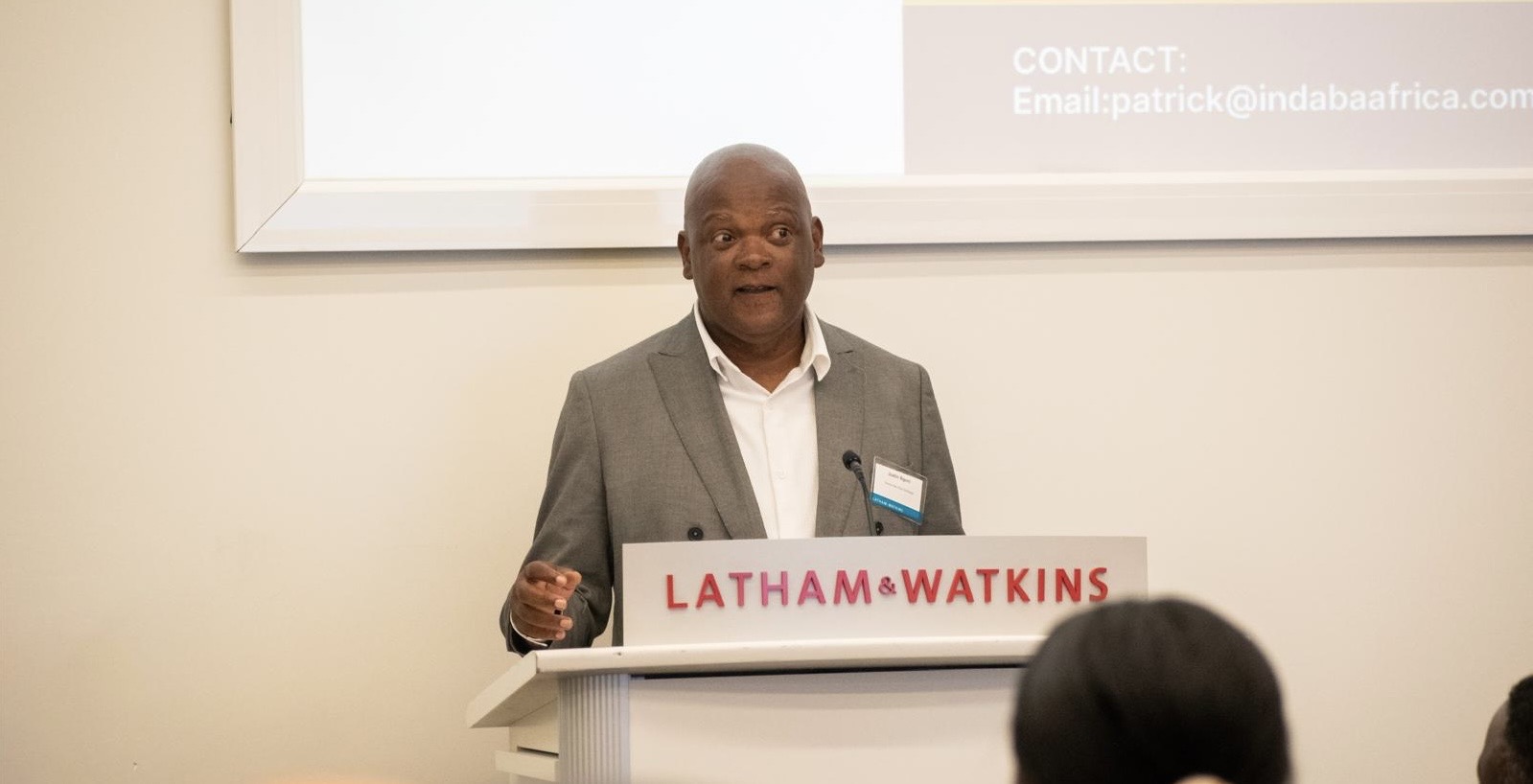
The Victoria Falls International Financial Services Centre has been positioned as a strategic conduit for global capital into Africa, following its presentation at the African Capital Markets Investment Conference in London. The conference, convened by Financial Markets Indaba, brought together policymakers, investors and financial institutions to examine the evolving architecture of capital markets across the continent.
Speaking at the event, Meluleki Sibanda outlined the Centre’s ambition to serve not merely as a national initiative for Zimbabwe but as a regional financial platform capable of connecting international capital flows with investment opportunities across Sub Saharan Africa. The presentation framed the Centre within a broader continental trajectory in which African financial jurisdictions are seeking to assert greater agency in shaping their integration into global finance.
Established under a Financial Services Special Economic Zone framework, the VFIFC has been designed to attract offshore investment while facilitating domestic and regional financial intermediation. Its architecture reflects an attempt to balance international regulatory expectations with local developmental priorities. According to Sibanda, the Centre’s operational model emphasises transparency, regulatory clarity and institutional credibility, all of which are intended to mitigate historical perceptions of risk associated with frontier markets.



The legal and regulatory framework underpinning the Centre was presented as a central pillar of its value proposition. Licensing processes are structured to be predictable and efficient, while regulatory oversight is positioned as collaborative rather than punitive. This approach aligns with a broader shift across African financial jurisdictions towards creating enabling environments that encourage both foreign participation and domestic capacity building.
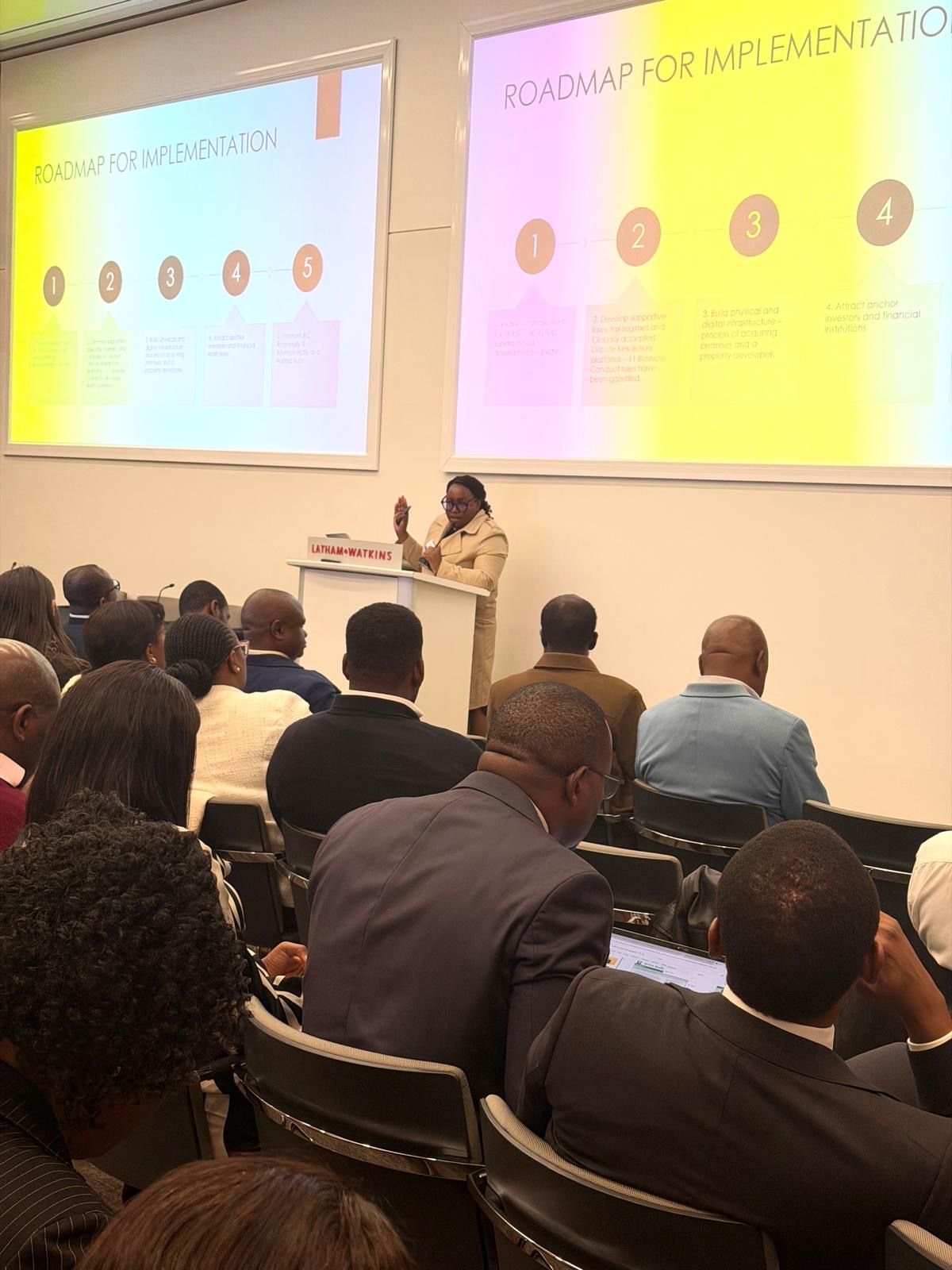
In practical terms, the Centre offers a range of incentives designed to attract financial institutions seeking a regional base. These include zero tax on offshore income, multi currency operational capability and a framework that supports trade finance and cross border financial services. Such features are intended to position the VFIFC as a competitive alternative to more established international financial centres, particularly for investors seeking structured entry points into African markets.
However, the emergence of such centres also raises broader questions about the role of financial hubs in Africa’s development. While international financial centres can facilitate capital inflows and enhance market sophistication, their long term impact depends on the extent to which they are integrated into local economies and contribute to inclusive growth. In this regard, the VFIFC’s emphasis on innovation, skills development and financial inclusion reflects an awareness of the need to align financial sector expansion with wider socio economic outcomes.
Sibanda noted that the Centre aims to cultivate a dynamic ecosystem capable of supporting new financial products and services, while also strengthening institutional capacity within Zimbabwe and the region. This includes fostering knowledge transfer, encouraging the development of specialised financial expertise and enhancing the overall depth of capital markets. Such ambitions resonate with continental initiatives aimed at reducing Africa’s reliance on external financial intermediation and increasing intra African investment flows.

From a regional perspective, the VFIFC has been framed as part of a broader infrastructure for economic integration. By facilitating access to global capital and enabling more efficient financial services, the Centre could contribute to advancing trade and investment linkages within the framework of the African Continental Free Trade Area. This positioning reflects a growing recognition that financial architecture plays a critical role in translating policy frameworks into tangible economic outcomes.
At the same time, the success of the VFIFC will likely depend on its ability to maintain regulatory credibility and adapt to evolving global standards. International investors increasingly prioritise governance, transparency and compliance, particularly in emerging markets. The Centre’s long term viability will therefore be shaped not only by its incentives but also by its institutional resilience and consistency in policy implementation.
The presentation concluded with an outline of opportunities for financial institutions to establish a presence within the Centre, supported by a structured regulatory pathway and a pipeline of prospective investment activity. As global capital continues to seek diversification and exposure to emerging markets, platforms such as the VFIFC may play an increasingly prominent role in shaping Africa’s financial landscape.
The discussions at ACMIC underscored a wider shift in narrative, in which African financial centres are not merely passive recipients of capital but active participants in redefining the terms of engagement. Within this context, the VFIFC represents an attempt to articulate an African centred model of financial intermediation, one that seeks to balance global integration with regional priorities and local development imperatives.