

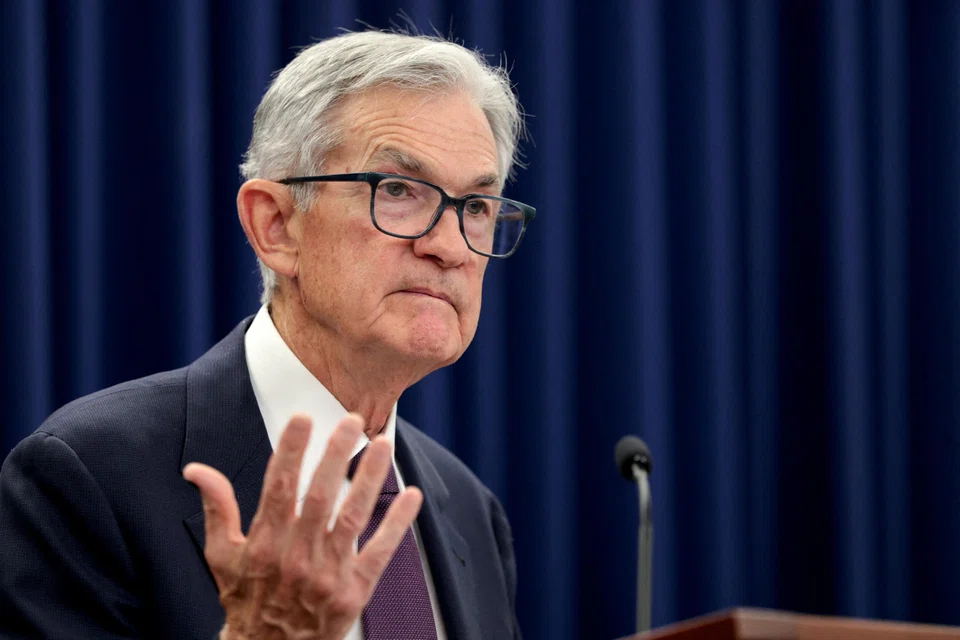
The United States Federal Reserve has opted to maintain its benchmark interest rate within a target range of 3.50 per cent to 3.75 per cent, signalling continuity in its monetary stance as it navigates a complex inflation environment shaped in part by global energy price volatility. According to the Federal Open Market Committee’s official statement and subsequent remarks by Chair Jerome Powell, inflation remains above desired levels, with recent increases in energy costs contributing to upward pressure on headline figures.
In his press conference, Powell emphasised that while the central bank expects energy related effects to raise inflation in the short term, the magnitude and persistence of these pressures remain uncertain. This cautious framing reflects a broader effort to balance the Federal Reserve’s dual mandate of price stability and maximum employment, while avoiding premature shifts in policy direction. The central bank’s official communications underscore this data dependent approach.
Attention also turned to institutional considerations, as Powell confirmed his intention to remain a member of the Board of Governors beyond the conclusion of his term as Chair. His remarks referenced ongoing legal challenges involving the central bank, which he described as without precedent, and reiterated a commitment to preserving institutional independence. Reporting from international financial media coverage indicates that these institutional dynamics have become a focal point of market and political discussion.



Within the Federal Open Market Committee, differing perspectives remain visible. Reports suggest that several regional Federal Reserve Bank presidents expressed reservations about including language that might signal a future easing bias, reflecting a preference for maintaining policy flexibility. This divergence highlights the complexity of the current economic landscape, where inflation risks coexist with uncertainties surrounding growth and labour market resilience.

Market expectations continue to align with a prolonged pause in interest rate adjustments. Data referenced by financial analysts and reflected in the CME FedWatch tool suggest that current rate levels may persist for an extended period, with the probability of rate reductions only increasing gradually over time.

For Southern African economies, the implications of sustained higher interest rates in the United States are multifaceted. Tighter global financial conditions can influence capital flows, exchange rates, and sovereign borrowing costs across the region. At the same time, elevated energy prices, which are contributing to inflationary pressures in the United States, have parallel effects across African economies, where fuel and transport costs remain critical components of household expenditure and industrial activity.
This interconnected environment underscores the importance of interpreting global monetary developments through a broader lens that accounts for regional diversity and structural differences. While the Federal Reserve’s decisions are rooted in domestic mandates, their effects reverberate across global markets, shaping economic conditions in ways that extend well beyond the United States.


