Friday, April 17, 2026
  • Login
The Southern African Times
  • Home
  • Southern Africa
  • Business
    • African Start ups
    • African Continental Free Trade Area
  • Technology
    • Lifestyle
      • Health
      • Culture
      • Food and Drink
      • Entertainment
  • Opinion
  • Sports
  • SAT Jobs
    • Events
  • About Us
    • Advertise with Us
    • Contact Us
No Result
View All Result
  • Home
  • Southern Africa
  • Business
    • African Start ups
    • African Continental Free Trade Area
  • Technology
    • Lifestyle
      • Health
      • Culture
      • Food and Drink
      • Entertainment
  • Opinion
  • Sports
  • SAT Jobs
    • Events
  • About Us
    • Advertise with Us
    • Contact Us
No Result
View All Result
The Southern African Times
No Result
View All Result
Home Opinion

Unlocking Africa’s economic potential through digital and climate finance

by SAT Reporter
November 27, 2024
in Opinion
0
Unlocking Africa’s economic potential through digital and climate finance

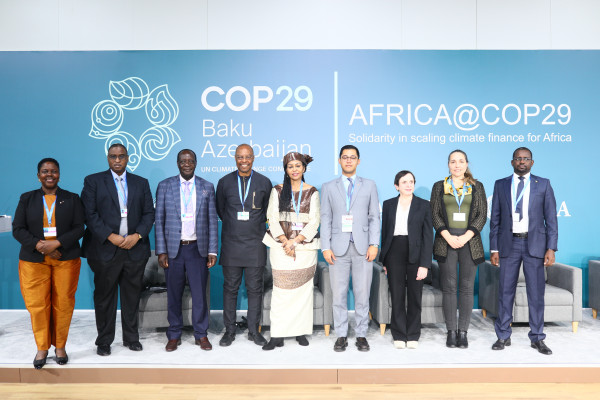
African Leaders Welcome Launch of African Development Bank’s Technical Assistance Facility to Unlock Climate Finance for Vulnerable Regions

Africa stands at a critical juncture in its economic development. As highlighted in the recent European Investment Bank (EIB) report, ‘Finance in Africa: Unlocking Investment in an Era of Digital Transformation and Climate Transition,’ the continent is poised to become a global catalyst for change if it can navigate the twin challenges of digital transformation and climate resilience. The report offers a comprehensive analysis of Africa’s current financial landscape, emphasising the need for targeted investments to unlock the region’s economic potential.

Africa has long been recognised as a continent of untapped opportunities, with its youthful population and vast natural resources. However, it continues to face significant structural challenges that impede its growth. The EIB report underscores that while economic growth is recovering post-pandemic, many countries in the region still grapple with inflation, debt burdens, and limited access to financial markets.

In fact, the report reveals that Africa needs an additional $194 billion annually to achieve the Sustainable Development Goals (SDGs) by 2030. This figure is equivalent to 7% of the continent’s GDP and highlights the urgency of mobilising both domestic and international financial resources to address pressing developmental needs.


ADVERTISEMENT

One of the most critical challenges facing Africa today is the gap in financing necessary for sustainable development. Traditional financial flows, such as foreign direct investment (FDI) and overseas development assistance, have been on the decline.

The report points out that Africa’s share of global GDP has stagnated at around 3.1% for the past two decades, indicating slow progress in income convergence with developed economies. To bridge this gap, the EIB emphasises the need for innovative financing solutions that can attract private capital into sectors such as renewable energy, agriculture, and digital infrastructure.

The digital transformation of Africa’s financial sector is a promising area for growth. The report highlights the rapid expansion of fintech solutions across the continent, with more than 1,200 active fintech companies operating as of early 2024. These firms are predominantly concentrated in Nigeria, South Africa, Kenya, and Egypt, which together attract 80% of the continent’s fintech funding. The proliferation of digital financial services is reshaping how businesses and individuals access capital, making it easier to conduct transactions, access credit, and manage risks. However, to sustain this momentum, the report stresses the need for enhanced regulatory frameworks that can foster innovation while protecting consumers.

Climate finance is another area where Africa can leverage its unique strengths to drive sustainable growth. The continent is highly vulnerable to climate change, with its economies heavily dependent on agriculture and natural resources. According to the EIB report, investing in climate-resilient sectors, such as renewable energy and sustainable agriculture, is crucial for safeguarding livelihoods and promoting economic stability.

African countries are already making strides in this area. For example, Rwanda has been a leader in promoting climate-smart agriculture, showcasing how innovation can enhance food security and reduce emissions simultaneously.

Yet, the financing needs for such projects are immense. The EIB report highlights the potential of green and blue bonds, debt-for-nature swaps, and sustainability-linked loans as innovative financial instruments that can unlock capital for climate-related investments. These tools offer African governments and businesses the opportunity to access funding while simultaneously meeting environmental and social targets.

For instance, green bonds have been increasingly utilised by countries like Benin and Côte d’Ivoire to finance projects that promote environmental sustainability. However, to scale these initiatives, the report calls for greater collaboration between the public and private sectors to reduce the cost of capital and improve access to international financial markets.

One of the most compelling insights from the report is the role of digital technology in supporting climate resilience. Advances in data analytics, satellite monitoring, and mobile platforms can enable more efficient resource management and early warning systems for climate risks.

For example, parametric insurance, which provides immediate payouts based on predefined triggers such as rainfall levels, can help farmers and communities recover quickly from climate-induced shocks. This type of insurance is particularly relevant in Africa, where the agricultural sector is vulnerable to extreme weather events.

However, technology alone cannot solve Africa’s challenges. The report emphasises the importance of building robust financial institutions and enhancing regional cooperation to create a more integrated financial market. Strengthening domestic financial markets and mobilising local capital is essential for reducing Africa’s dependence on external funding. By deepening financial integration across the continent, African countries can reduce borrowing costs and improve access to credit for businesses and households.

Looking forward, the EIB report outlines several recommendations to support Africa’s economic transformation. Firstly, governments must focus on improving regulatory environments to attract private investment, particularly in high-growth sectors like renewable energy and digital finance.

Secondly, there is a need to scale up climate finance by leveraging innovative financial instruments and engaging in partnerships with international donors and development banks. Lastly, the report highlights the importance of investing in human capital, particularly in digital skills, to ensure that Africa’s young population is prepared for the jobs of the future.

In conclusion, Africa has the potential to drive a green and digital renaissance that could reshape its economic landscape. The insights from the EIB report provide a roadmap for unlocking this potential by aligning investment strategies with the continent’s unique needs and opportunities.

By focusing on digital transformation, climate resilience, and sustainable finance, Africa can build a more inclusive and prosperous future. However, this will require bold leadership, innovative thinking, and sustained commitment from both African nations and their global partners.


JP Fabri is an economist and  Founding Partner at Seed Consultancy  focusing on Regulatory and Advisory. The article reflects the author’s opinions and not necessarily the views of The Southern African Times.

Tags: Africa's economic transformationAfrica's GDP growthAfrican fintech expansionblue bondsclimate finance AfricaClimate Resilienceclimate-smart agriculturedigital innovationdigital skills Africadigital transformation AfricaEuropean Investment Bank reportfinance in Africafintech in Africagreen bondsinclusive growth strategies Africainnovative financial solutions Africarenewable energy AfricaSDG financing needs Africasustainable development goals Africasustainable finance
Previous Post

Top 10 African Countries with the Highest Tourism Export Shares in 2023

Next Post

South Africa’s OAE Secures PEC Partnership for Energy Metering

SAT Reporter

Related Posts

Op-Ed by Yemi Osinbajo, Former Vice President of Nigeria: Africa Is Losing the Iran War
Opinion

Op-Ed by Yemi Osinbajo, Former Vice President of Nigeria: Africa Is Losing the Iran War

by SAT Reporter
April 13, 2026
A Superpower Under Strain: Iran and the Limits of American Power
Opinion

A Superpower Under Strain: Iran and the Limits of American Power

by Kundai Vambe
April 8, 2026
South Africa Seeks to Tighten Immigration Rules in Policy Shift
Opinion

South Africa Seeks to Tighten Immigration Rules in Policy Shift

by Kundai Vambe
April 8, 2026
OPINION | Africa Isn’t Failing Democracy — The Narrative Is
Opinion

OPINION | Africa Isn’t Failing Democracy — The Narrative Is

by The Editorial Board
April 6, 2026
Soft Power, Hard Minerals: China’s Expanding Grip on Southern Africa
Opinion

Soft Power, Hard Minerals: China’s Expanding Grip on Southern Africa

by Kundai Vambe
April 5, 2026
Next Post
South Africa’s OAE Secures PEC Partnership for Energy Metering

South Africa’s OAE Secures PEC Partnership for Energy Metering

Browse by Category

  • Africa AI
  • African Continental Free Trade Area
  • African Debt
  • African Start ups
  • Agriculture
  • AI Africa
  • Algeria
  • All News
  • Analysis
  • Angola
  • Arts / Culture
  • Asia
  • Botswana
  • BOTSWANA
  • BREAKING NEWS
  • BRICS
  • Burkina Faso
  • Burundi
  • Business
  • Business
  • Business Wire
  • Cameroon
  • Central Africa
  • Chad
  • China
  • Climate Change
  • Climate Changev
  • Community
  • Congo Republic
  • Conservation
  • Côte d’Ivoire
  • COVID 19
  • CRYPTOCURRENCY
  • Culture
  • Democratic Republic of Congo
  • Diplomacy
  • Eastern Africa
  • Economic Development
  • Economy
  • Education
  • Egypt
  • Elections 2024
  • Energy
  • Entertainment
  • Environment
  • Eritrea
  • Ethiopia
  • Europe
  • Fashion
  • Feature
  • Finance
  • Financial Inclusion
  • Food
  • Food and Drink
  • Foods
  • GABON
  • Ghana
  • Global
  • Global Africa
  • Guinea
  • Health
  • Immigration
  • in Southern Africa
  • International news
  • International Relations
  • Ivory Coast
  • Just In
  • Kenya
  • Lesotho
  • Libya
  • Life Style
  • Lifestyle
  • Literature
  • Malawi
  • Malawi
  • Mali
  • Markets
  • Mauritius
  • Middle East
  • Mining in Africa
  • Morocco
  • Mozambique
  • Namibia
  • Niger
  • niger
  • Nigeria
  • North Africa
  • North-Eastern Africa
  • Obituaries
  • Obituary
  • Opinion
  • PARTNER CONTENT
  • Politics
  • Property
  • Racism
  • Rwanda
  • Rwanda
  • SADC
  • SAT Interviews
  • SAT Investigation
  • SAT Jobs
  • Saudi Arabia
  • Senegal
  • Seychelles
  • South Africa
  • South Sudan
  • Sports
  • Startup Africa
  • STOCK EXCHANGE
  • Sudan
  • Sustainability
  • Sustainablity
  • Tanzania
  • Technology
  • Telecommunications
  • The Editorial Board
  • The Power Of She
  • Togo
  • Trade
  • Travel
  • Travel
  • Tunisia
  • Uganda
  • Uncategorized
  • Wealth
  • West Africa
  • World
  • World
  • Zambia
  • ZAMBIA
  • ZIMBABWE
  • Zimbabwe

Browse by Tags

#NewsUpdate #SouthAfrica #SouthernAfricanTimes #TheSouthernAfricanTimes AfCFTA africa African Continental Free Trade Area African development African Development Bank African economies African economy African Union Agriculture Angola Botswana Business China Climate change Cyril Ramaphosa Economic Development economic growth energy transition fiscal policy food security industrialisation Inflation Infrastructure Development International relations Investment Kenya Mozambique Namibia news Nigeria Regional Integration renewable energy Rwanda SADC South Africa Southern Africa sustainable development Tanzania United States Zambia Zimbabwe
ADVERTISEMENT

WHO WE ARE

The Southern African Times is a regional bloc digital newspaper that covers Southern African and world news. The paper also gives a nuanced analysis on news and covers a wide range of reporting which include sports, entertainment, foreign affairs, arts and culture.

Welcome Back!

Login to your account below

Forgotten Password?

Retrieve your password

Please enter your username or email address to reset your password.

Log In

  • Home
  • Southern Africa
  • Business
    • African Start ups
    • African Continental Free Trade Area
  • Technology
    • Lifestyle
      • Health
      • Culture
      • Food and Drink
      • Entertainment
  • Opinion
  • Sports
  • SAT Jobs
    • Events
  • About Us
    • Advertise with Us
    • Contact Us
Are you sure want to unlock this post?
Unlock left : 0
Are you sure want to cancel subscription?