Leaders from the United Nations and the African Union have called for a significant acceleration in the implementation of the Sustainable Development Goals across Africa, emphasising the need for coordinated, locally grounded strategies that reflect the continent’s diverse realities and priorities.
The appeal was made at the opening of the 12th session of the Africa Regional Forum on Sustainable Development in Addis Ababa, where policymakers and development actors convened under the theme of advancing transformative and coordinated action for both the 2030 Agenda and the African Union’s Agenda 2063 framework.
Claver Gatete, Executive Secretary of the UN Economic Commission for Africa, noted that while progress has been recorded in expanding access to essential services, advances remain uneven and, in some sectors, insufficient to drive structural transformation. He highlighted that shortcomings in the quality, reliability, and safety of water and sanitation systems continue to affect public health and economic productivity. Similarly, gains in energy access and infrastructure development have yet to translate into broad-based employment creation or enhanced industrial competitiveness.



These observations align with broader assessments from the UN Economic Commission for Africa, which indicate that infrastructure deficits and service delivery gaps remain critical constraints on inclusive growth across many African economies. The persistence of inequality, both within and between countries, further complicates the attainment of the Sustainable Development Goals.
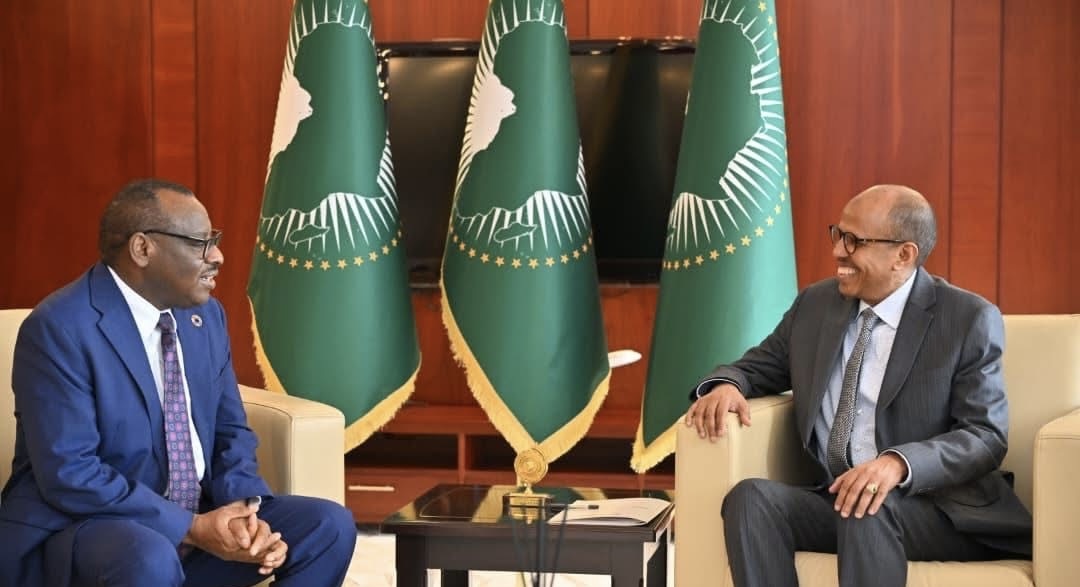
Selma Malika Haddadi, Deputy Chairperson of the African Union Commission, acknowledged that the continent has made measurable progress in areas such as regional integration, infrastructure expansion, and digital transformation. Initiatives including the African Continental Free Trade Area have contributed to strengthening intra-African trade and economic cooperation. However, she cautioned that these gains coexist with ongoing challenges related to financing, employment generation, and climate resilience.
Haddadi emphasised that with less than five years remaining until the 2030 deadline, incremental progress is unlikely to suffice. She called for stronger alignment between continental, regional, and national policy frameworks, alongside increased investment in critical sectors such as sustainable cities, energy systems, and water infrastructure. She also underscored the importance of partnerships that include governments, private sector actors, civil society, and development institutions.
Concerns regarding financing emerged as a central theme. Lok Bahadur Thapa, President of the UN Economic and Social Council, pointed to a substantial annual financing gap estimated at between 670 billion and 848 billion US dollars. This shortfall is attributed to a combination of factors, including rising debt vulnerabilities, fluctuating foreign direct investment flows, limited domestic resource mobilisation, and declining levels of official development assistance.

At the same time, structural challenges in access to basic services remain pronounced. According to figures cited at the forum, approximately 600 million people in Africa, representing around 43 percent of the population, lack access to electricity. Gaps in access to safe drinking water and other essential services continue to affect livelihoods and human development outcomes, particularly in rural and marginalised communities.
Speakers at the forum highlighted the importance of strengthening domestic resource mobilisation while also creating enabling environments to attract sustainable private investment. Public private partnerships were identified as one avenue for addressing infrastructure deficits, provided that they are designed in ways that align with national development priorities and ensure equitable outcomes.
The discussions reflected a broader shift towards emphasising African agency in shaping development pathways. Rather than relying solely on external frameworks, participants underscored the need to integrate global goals with regionally defined priorities, ensuring that implementation strategies are responsive to local contexts and knowledge systems.
As deliberations continue, the forum is expected to generate policy recommendations aimed at accelerating progress while addressing structural constraints. The emphasis on coordinated and transformative action suggests a recognition that achieving the Sustainable Development Goals in Africa will require not only increased resources but also a recalibration of how development is conceptualised, financed, and implemented across the continent.