

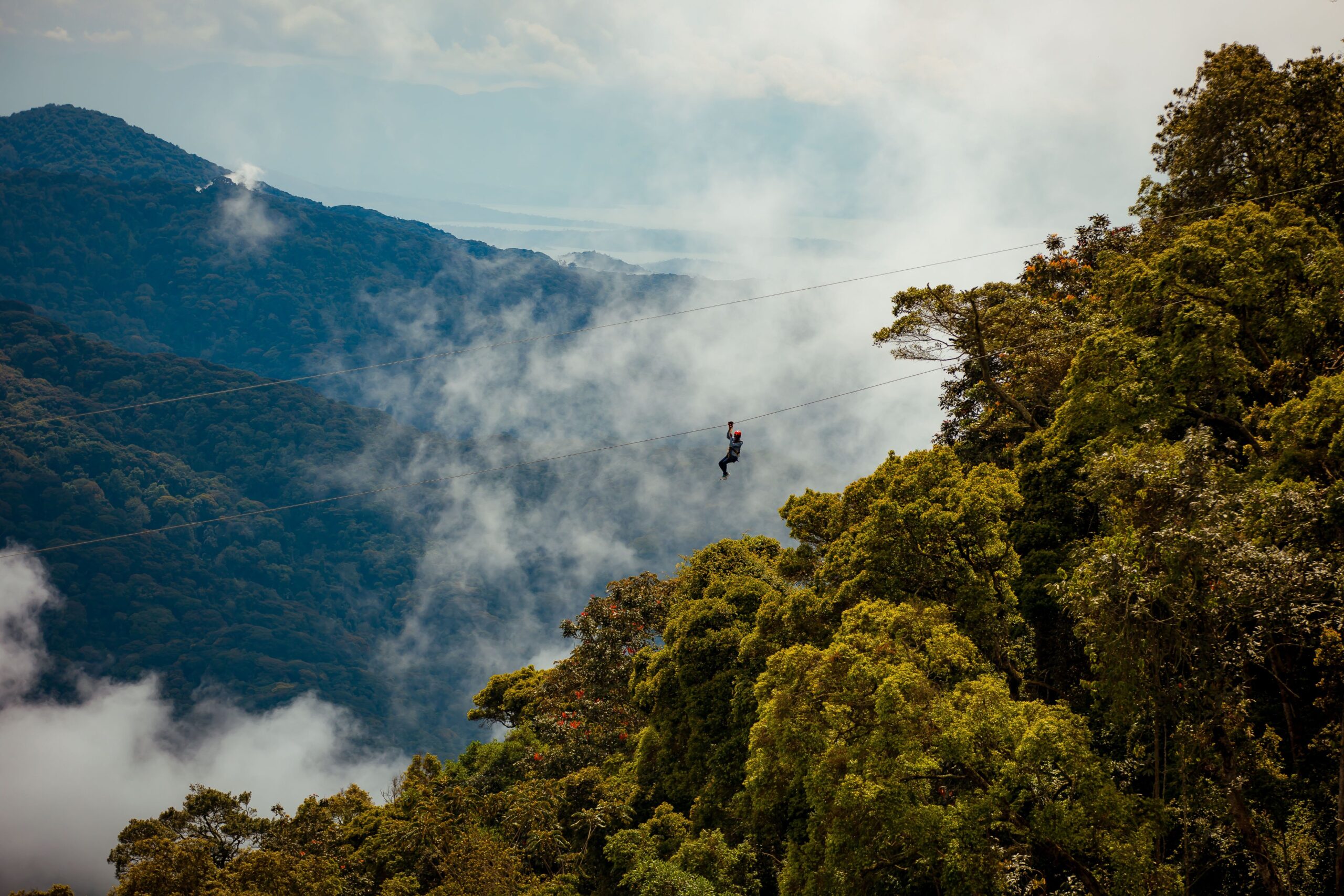
Rwanda’s tourism sector recorded sustained growth in 2025, with revenues rising to 685 million US dollars, according to data released by the Rwanda Development Board. The figures reflect an increase from 647 million US dollars in 2024, underscoring the country’s continued positioning within Africa’s evolving travel and investment landscape.
Official data indicates that Rwanda received approximately 1.49 million visitors during the year. This growth has been attributed in part to the country’s longstanding conservation based tourism model, particularly its globally recognised mountain gorilla trekking experiences in Volcanoes National Park, as well as a gradual diversification of tourism offerings across its protected areas. The approach aligns with broader continental efforts to balance ecological preservation with economic development, as seen in similar initiatives across East and Southern Africa.
The Meetings, Incentives, Conferences and Exhibitions segment contributed 94.7 million US dollars in 2025, compared with 84.8 million US dollars in the previous year. Rwanda hosted 165 international and regional events, reinforcing Kigali’s role as a convening hub for policy dialogue, business exchange and multilateral engagement. This trajectory reflects a wider African shift towards capturing value from business tourism and intra continental collaboration, supported by improved infrastructure and regulatory reforms.



The report suggests that tourism growth has been supported by ongoing institutional reforms and efforts to create a more predictable investment environment. Authorities have emphasised the importance of private sector participation in driving long term development, alongside initiatives aimed at strengthening service delivery and export competitiveness.

While Rwanda’s performance illustrates the potential of targeted, high value tourism strategies, it also speaks to a broader continental narrative in which African countries are increasingly shaping their own development pathways. The emphasis on conservation led tourism, regional connectivity and knowledge exchange reflects a move away from singular narratives of resource dependency towards more diversified and locally grounded economic models.
At the same time, analysts note that sustaining such growth will depend on maintaining ecological integrity, managing visitor capacity and ensuring that tourism revenues contribute meaningfully to local communities. These considerations remain central not only to Rwanda’s strategy but also to ongoing discussions about the future of tourism across Africa, where questions of equity, sustainability and ownership continue to shape policy debates.


