Ugandan Olympic marathoner Rebecca Cheptegei, 33, was laid to rest on Saturday with full military honours in her ancestral home in Bukwo, northeastern Uganda, following her tragic death after a brutal attack by her former partner. Cheptegei, who had competed in the Paris 2024 Olympics, finished 44th in the marathon event on August 11. Tragically, it would be her final race.
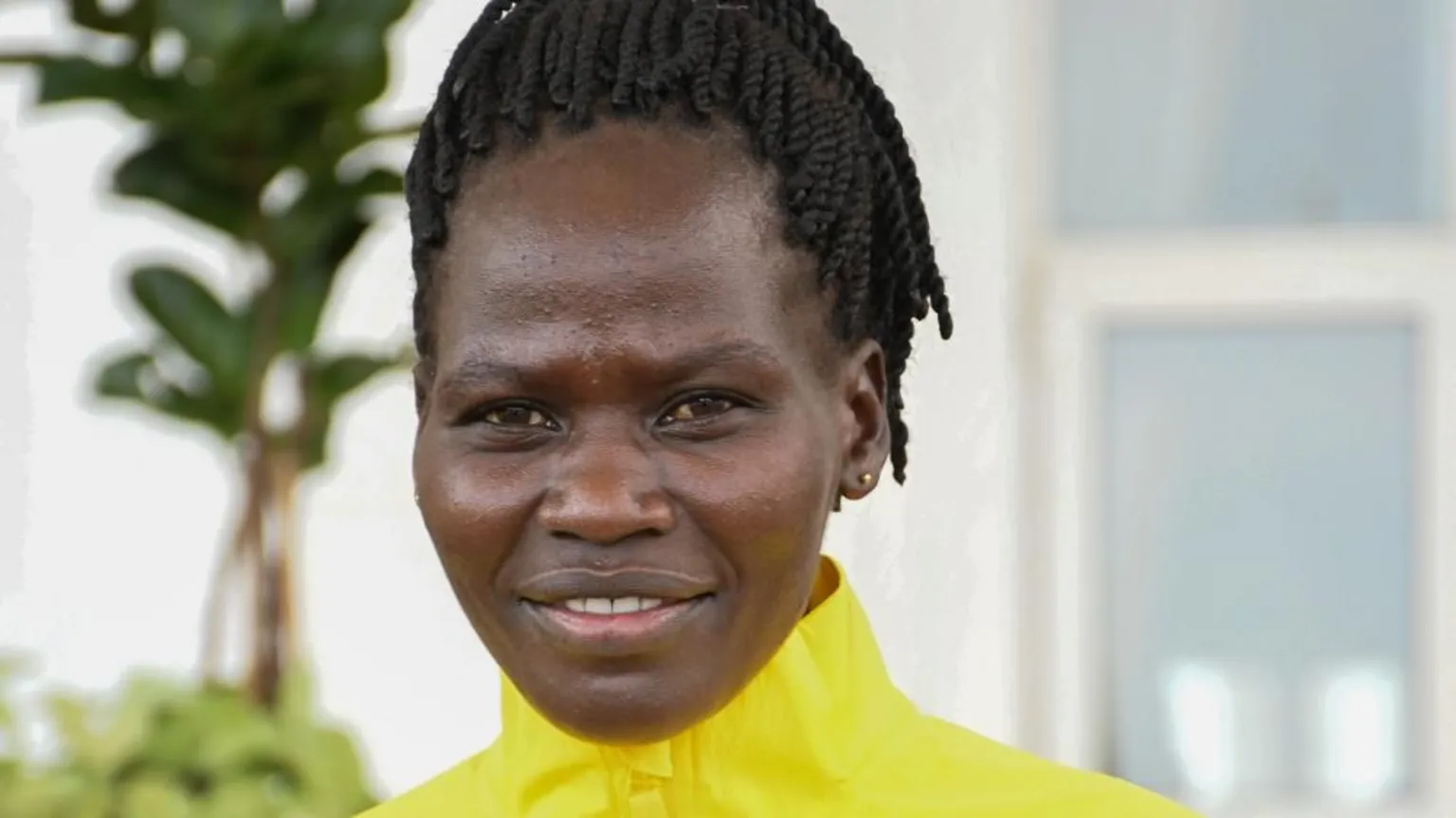
Just three weeks after returning to her home in Kenya’s western highlands—a region renowned for its high-altitude training facilities for international athletes—Cheptegei was allegedly attacked by her former boyfriend, Dickson Ndiema Marangach. The assault took place in Kinyoro village as she returned from church with her two daughters and younger sister. According to Kenyan police and her family, Marangach allegedly doused Cheptegei in petrol and set her alight.
Her father, Joseph Cheptegei, revealed that Rebecca had approached local police at least three times in the weeks leading up to the attack, filing complaints about Marangach’s threats and violence, with the most recent report made on August 30, two days before the attack. Despite her efforts to seek protection, the horrific tragedy was not averted.




Cheptegei sustained burns on 80% of her body and fought for her life in the hospital for four days before succumbing to her injuries. In her final moments, she reportedly told her father, “I don’t think I’m going to make it. If I die, just bury me at home in Uganda.”
Her funeral was a sombre and emotional ceremony, held in a school field in Bukwo, her home district. Hundreds of mourners, including fellow Olympians from Uganda and Kenya, gathered to pay their respects. Among them were athletes wearing black T-shirts emblazoned with the slogan “Say No to Gender-Based Violence.” Cheptegei was remembered not only as a national sports hero but as a devoted mother, sister, and advocate for justice.
During the funeral, Kenya’s Sports and Youth Affairs Minister, Kipchumba Murkomen, expressed regret, acknowledging that both the government and the community had failed to protect Cheptegei. “We are guilty as a government, but also the community is guilty,” Murkomen said in a heartfelt address to the mourners. “Let us say the truth. It is not true that we did not know, even in the local community, that Rebecca was facing family problems.”
Cheptegei’s tragic death has ignited widespread outrage and has brought renewed attention to the urgent need to address domestic violence. As the investigation continues, her family and supporters are calling for justice, determined to honour her memory and ensure that her legacy serves as a call to action against gender-based violence.