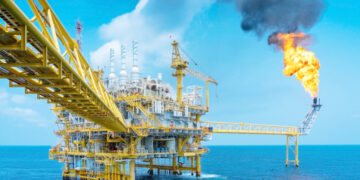
TotalEnergies, the French multinational energy giant, has once again postponed its highly anticipated liquefied natural gas (LNG) project in Mozambique, which carries a staggering price tag of $20 billion. The delays come amidst heightened security concerns and political uncertainty, exacerbated by the fallout from Mozambique’s disputed presidential election in October 2024. These developments have cast a shadow over the prospects of resuming operations by the end of 2024, a timeline initially deemed feasible.
The project, widely regarded as a cornerstone of Mozambique’s economic future, has been mired in challenges since its inception. Originally launched in 2020, the initiative aimed to position Mozambique as a major player in the global LNG market, leveraging its significant offshore gas reserves. However, the ambition has been consistently undercut by a confluence of security and financial obstacles.
A principal concern remains the volatile security situation in Mozambique’s northern Cabo Delgado province, where the project is located. This region has been plagued by a prolonged insurgency attributed to Islamist militants, whose attacks have destabilised communities and disrupted economic activities, as reported by Global Security. In 2021, TotalEnergies declared force majeure on the project following a terrorist attack near the LNG site in Palma, which claimed multiple lives and sent shockwaves through international stakeholders.



The force majeure declaration effectively froze the project, halting construction and sidelining funding agreements that had been secured prior to the suspension. Among these was a $4.7 billion loan facilitated by the United States International Development Finance Corporation, which has since been placed on hold. While TotalEnergies has publicly maintained its commitment to the venture, the path to its realisation has become increasingly fraught with complications.
The contested election in October 2024 has only compounded these challenges. Widespread violence and allegations of electoral fraud have destabilised the political landscape, undermining investor confidence and raising questions about Mozambique’s governance. Although the government has attempted to reassure international stakeholders of its ability to restore stability, the persisting unrest has created an environment of heightened caution among potential financiers and partners.
Moreover, the financial dynamics underpinning the project remain tenuous. The $20 billion budget reflects not only the scale of the endeavour but also the substantial risks associated with its execution. With key financial commitments frozen, including the aforementioned US-backed loan, TotalEnergies faces mounting pressure to secure alternative funding channels or renegotiate terms with existing stakeholders. The delay underscores the precarious balancing act between advancing the project and mitigating the risks associated with an unstable operating environment.
This latest postponement is particularly significant given Mozambique’s aspirations to leverage its LNG resources as a catalyst for economic transformation. The project was envisioned as a linchpin in the country’s strategy to attract foreign investment, create jobs, and generate significant export revenues. Analysts have pointed to the potential for Mozambique to become one of the world’s leading LNG exporters, rivalling established players in the global energy market. However, the persistent delays threaten to erode this potential, with knock-on effects for the broader economy.
The international community has also expressed concern over the implications of the delays. For Mozambique, the project’s success is viewed as pivotal to addressing pressing developmental challenges, including widespread poverty and underdevelopment in the Cabo Delgado region. The suspension of operations not only stalls progress in these areas but also risks exacerbating existing socio-economic inequalities, further fuelling the conditions that enable insurgency and instability.
For TotalEnergies, the delays represent a significant strategic and reputational challenge. As one of the world’s largest energy companies, its involvement in Mozambique’s LNG sector is closely watched as a bellwether for the feasibility of large-scale energy investments in high-risk regions. The continued postponement raises questions about the company’s ability to navigate complex geopolitical landscapes and deliver on its commitments to stakeholders.

Notwithstanding these challenges, there remains a cautious optimism about the project’s eventual resumption. Industry experts have noted that Mozambique’s vast natural gas reserves make it an undeniably attractive prospect for energy companies seeking to diversify their portfolios and meet growing global demand for LNG. The strategic importance of these resources has prompted calls for a more concerted international effort to stabilise the region and facilitate the conditions necessary for the project’s success.
In recent months, there have been indications of a renewed push to address the underlying issues hindering progress. The Mozambican government, in collaboration with regional and international partners, has intensified efforts to combat the insurgency in Cabo Delgado. Additionally, discussions around the resolution of funding disputes have reportedly gained momentum, with stakeholders exploring innovative financing mechanisms to offset the risks associated with the project.
Nevertheless, the road ahead remains uncertain. The interplay of security, political, and financial considerations will continue to shape the trajectory of TotalEnergies’ LNG venture in Mozambique. For now, the project’s future hangs in the balance, a stark reminder of the complexities involved in executing transformative energy initiatives in fragile contexts.
As TotalEnergies navigates these challenges, the implications extend beyond Mozambique’s borders. The project’s outcome will likely serve as a litmus test for the broader energy sector’s willingness to engage in high-risk, high-reward ventures in emerging markets. Whether it ultimately succeeds or succumbs to the pressures arrayed against it, the Mozambique LNG project will remain a focal point of industry and geopolitical discourse in the years to come.