
Friday, April 17, 2026
  • Login
The Southern African Times
  • Home
  • Southern Africa
  • Business
    • African Start ups
    • African Continental Free Trade Area
  • Technology
    • Lifestyle
      • Health
      • Culture
      • Food and Drink
      • Entertainment
  • Opinion
  • Sports
  • SAT Jobs
    • Events
  • About Us
    • Advertise with Us
    • Contact Us
No Result
View All Result
  • Home
  • Southern Africa
  • Business
    • African Start ups
    • African Continental Free Trade Area
  • Technology
    • Lifestyle
      • Health
      • Culture
      • Food and Drink
      • Entertainment
  • Opinion
  • Sports
  • SAT Jobs
    • Events
  • About Us
    • Advertise with Us
    • Contact Us
No Result
View All Result
The Southern African Times
No Result
View All Result
Home in Southern Africa

This is how Zimbabwe’s economy will overcome its hurdles

by SAT Reporter
February 20, 2020
in in Southern Africa, Opinion
0
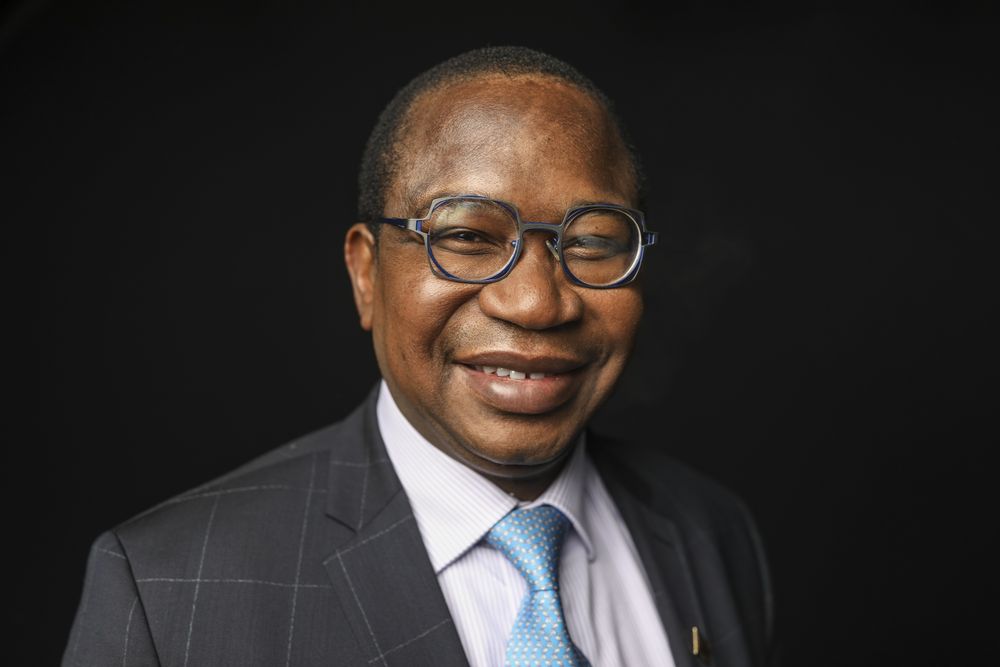
Pictured: Hon. Prof Mthuli Ncube Zimbabwe Minister of Finance and Economic Development

Zimbabwe’s economy will overcome the numerous hurdles which lay before us on the path towards prosperity. These obstacles are patent, and in some cases potent. But with hard work, proper planning, and monetary and fiscal discipline, Zimbabwe will get out of the current economic rut.

Some of these challenges are out of our control. Take Cyclone Idai in March of last year for example. The extreme weather phenomenon destroyed lives and livelihoods. This meteorological mess was followed by another, as drought struck across our lands. Food output has thus been severely hampered by these outside forces; and we have been left with no choice but to subsidise, import and rely on help from the international community to avoid total crisis. While there were some real achievements in 2019, including a balanced budget for the first time in living memory, we have a commitment to subsidise where necessary to make sure our nation is fed.

As we move into 2020, we will continue to learn from these “unknown unknowns”. We are already investing in ‘climate proofing’ our agriculture, including new irrigation techniques, and drought resistant crops. We must now double up our efforts with our international partners – new and old – to protect our agriculture and food supply.


ADVERTISEMENT

As we look forward to growing our economy, it is incumbent upon us to rein in inflation as quickly as possible. This is crucial for investment. This is vital for job creation. Month on month inflation is already stabilising, down to approximately 16%. Of course, annual inflation remains high. We do not hide this, nor was this unexpected. That is what happens when you liberalise a currency. But this process of reforms is a long-term necessity for our economy.

We are taking steps to prop up the currency, drip-feeding in cash injections in a non-inflationary manner. This has involved exchanging electronic currency for the physical currency. We will also be introducing higher denomination notes over the course of 2020 to make it easier for citizens to transact. We know the current environment is tough. But Zimbabwe’s economy needs tough reforms, not superficial ones.

In the current environment, both wages and purchasing power have taken a big hit. Government therefore has a responsibility to support consumers and the private sector as a whole. As part of the currency reform agenda, we have had inevitable wage compression. This is part of the liberalisation process. We have responded by propping up the wages of the civil servants, and we hope the private sector acts in kind. Dollarisation inertia unfortunately means that retailers are still pricing in USD and simply translating it to the local currency. This is squashing the purchasing power of current wages. We are closing that gap by allowing wages to rise.

In order to finance these moves and reboot the Zimbabwean economy as a whole, it is crucial to reform state-owned companies. We have already passed the first hurdle, which was to decide which ones should be partially privatised, which ones should be liquidated, and which ones should be departmentalised, and of course to highlight those which should not be touched. 2020 is now about implementing and enacting these moves. We will advance the partial privatisation of the telecom company (Netone) and motor-vehicle assembly company (Willovale Mazda Motor Industries), capitalise our Silo Foods Industries, privatise banking assets and more. We want to have a private sector-led economy in Zimbabwe. And for the private sector to lead, we must privatise!

Despite all the hurdles and all the barriers, Zimbabwe in 2019 leapt 15 places in the Global Ease of Doing Business rankings. As we look to improve this in 2020, privatisation is a big part of this story.

For the first time in living memory, Zimbabwe achieved a balanced budget. We have our fiscal and monetary fate in our own hands. We have a talented, educated and devoted workforce, ready to get to work. And we have natural resources a-plenty, ready to drive our economy forward. The Zimbabwean future is, therefore, an exciting one. With patience and discipline, we will overcome all the hurdles that lay in our path and build a better future for all.

Hon. Prof Mthuli Ncube is Zimbabwe’s Minister of Finance and Economic Development

Tags: Africa NewAfrica NewsCyclone IdaiFinanceSouthern African NewsZimbabwe
Previous Post

AngloGold sells South African assets to Harmony

Next Post

Ighalo stays away from Man Utd training over coronavirus fears: reports

SAT Reporter

Related Posts

Zambia’s Copper and the Social Cost of Extraction Deals
The Editorial Board

Zambia’s Copper and the Social Cost of Extraction Deals

by Nothando Ndlovu
April 17, 2026
Namibia Accelerates Petroleum Reforms Ahead of First Oil
Namibia

Namibia Accelerates Petroleum Reforms Ahead of First Oil

by SAT Reporter
April 17, 2026
Julius Malema Sentenced to Five Years in Firearm discharge case
South Africa

Julius Malema Sentenced to Five Years in Firearm discharge case

by Leo Muzivoreva
April 16, 2026
Op-Ed by Yemi Osinbajo, Former Vice President of Nigeria: Africa Is Losing the Iran War
Opinion

Op-Ed by Yemi Osinbajo, Former Vice President of Nigeria: Africa Is Losing the Iran War

by SAT Reporter
April 13, 2026
Namibia Reports Significant Decline in Wildlife Crime Following Intensified Enforcement
Conservation

Namibia Reports Significant Decline in Wildlife Crime Following Intensified Enforcement

by SAT Reporter
April 12, 2026
Next Post
Pictured Nigeria's Odion Ighalo

Ighalo stays away from Man Utd training over coronavirus fears: reports

Browse by Category

  • Africa AI
  • African Continental Free Trade Area
  • African Debt
  • African Start ups
  • Agriculture
  • AI Africa
  • Algeria
  • All News
  • Analysis
  • Angola
  • Arts / Culture
  • Asia
  • Botswana
  • BOTSWANA
  • BREAKING NEWS
  • BRICS
  • Burkina Faso
  • Burundi
  • Business
  • Business
  • Business Wire
  • Cameroon
  • Central Africa
  • Chad
  • China
  • Climate Change
  • Climate Changev
  • Community
  • Congo Republic
  • Conservation
  • Côte d’Ivoire
  • COVID 19
  • CRYPTOCURRENCY
  • Culture
  • Democratic Republic of Congo
  • Diplomacy
  • Eastern Africa
  • Economic Development
  • Economy
  • Education
  • Egypt
  • Elections 2024
  • Energy
  • Entertainment
  • Environment
  • Eritrea
  • Ethiopia
  • Europe
  • Fashion
  • Feature
  • Finance
  • Financial Inclusion
  • Food
  • Food and Drink
  • Foods
  • GABON
  • Ghana
  • Global
  • Global Africa
  • Guinea
  • Health
  • Immigration
  • in Southern Africa
  • International news
  • International Relations
  • Ivory Coast
  • Just In
  • Kenya
  • Lesotho
  • Libya
  • Life Style
  • Lifestyle
  • Literature
  • Malawi
  • Malawi
  • Mali
  • Markets
  • Mauritius
  • Middle East
  • Mining in Africa
  • Morocco
  • Mozambique
  • Namibia
  • Niger
  • niger
  • Nigeria
  • North Africa
  • North-Eastern Africa
  • Obituaries
  • Obituary
  • Opinion
  • PARTNER CONTENT
  • Politics
  • Property
  • Racism
  • Rwanda
  • Rwanda
  • SADC
  • SAT Interviews
  • SAT Investigation
  • SAT Jobs
  • Saudi Arabia
  • Senegal
  • Seychelles
  • South Africa
  • South Sudan
  • Sports
  • Startup Africa
  • STOCK EXCHANGE
  • Sudan
  • Sustainability
  • Sustainablity
  • Tanzania
  • Technology
  • Telecommunications
  • The Editorial Board
  • The Power Of She
  • Togo
  • Trade
  • Travel
  • Travel
  • Tunisia
  • Uganda
  • Uncategorized
  • Wealth
  • West Africa
  • World
  • World
  • ZAMBIA
  • Zambia
  • Zimbabwe
  • ZIMBABWE

Browse by Tags

#NewsUpdate #SouthAfrica #SouthernAfricanTimes #TheSouthernAfricanTimes AfCFTA africa African Continental Free Trade Area African development African Development Bank African economies African economy African Union Agriculture Angola Botswana Business China Climate change Cyril Ramaphosa Economic Development economic growth energy transition fiscal policy food security industrialisation Inflation Infrastructure Development International relations Investment Kenya Mozambique Namibia news Nigeria Regional Integration renewable energy Rwanda SADC South Africa Southern Africa sustainable development Tanzania United States Zambia Zimbabwe
ADVERTISEMENT

WHO WE ARE

The Southern African Times is a regional bloc digital newspaper that covers Southern African and world news. The paper also gives a nuanced analysis on news and covers a wide range of reporting which include sports, entertainment, foreign affairs, arts and culture.

Welcome Back!

Login to your account below

Forgotten Password?

Retrieve your password

Please enter your username or email address to reset your password.

Log In

  • Home
  • Southern Africa
  • Business
    • African Start ups
    • African Continental Free Trade Area
  • Technology
    • Lifestyle
      • Health
      • Culture
      • Food and Drink
      • Entertainment
  • Opinion
  • Sports
  • SAT Jobs
    • Events
  • About Us
    • Advertise with Us
    • Contact Us
Are you sure want to unlock this post?
Unlock left : 0
Are you sure want to cancel subscription?