Monday, June 8, 2026
  • Login
The Southern African Times
  • Home
  • Southern Africa
  • Business
    • African Start ups
    • African Continental Free Trade Area
  • Technology
    • Lifestyle
      • Health
      • Culture
      • Food and Drink
      • Entertainment
  • Opinion
  • Sports
  • SAT Jobs
    • Events
  • About Us
    • Advertise with Us
    • Contact Us
No Result
View All Result
  • Home
  • Southern Africa
  • Business
    • African Start ups
    • African Continental Free Trade Area
  • Technology
    • Lifestyle
      • Health
      • Culture
      • Food and Drink
      • Entertainment
  • Opinion
  • Sports
  • SAT Jobs
    • Events
  • About Us
    • Advertise with Us
    • Contact Us
No Result
View All Result
The Southern African Times
No Result
View All Result
Home Analysis

The drive for inclusive banking benefits for all Africans is being won, but much remains to be done

by SAT Reporter
July 30, 2024
in Analysis
0
The drive for inclusive banking benefits for all Africans is being won, but much remains to be done

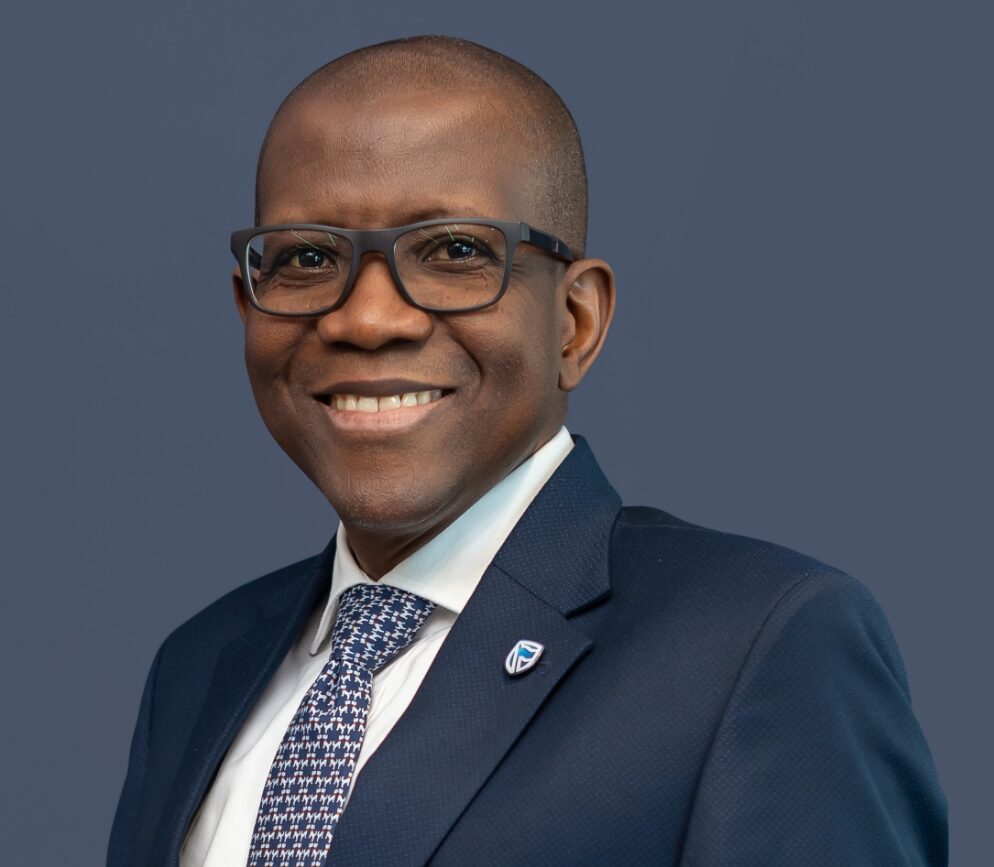
Yinka Sanni, CE for Africa Regions at Standard Bank

The digital drive towards alleviating poverty, promoting economic growth, and building opportunities through financial inclusion is slowly being won. But, for many Africans, ‘cash is still king,’ and financial institutions have much to do to build on the successes that saw 49% of Africans join the formal banking sector between 2011 and 2022, says Standard Bank.

However, says Yinka Sanni, CE for Africa Regions at Standard Bank, challenges in promoting equal access based on gender, income, education, and age are still prevalent and demand attention if the goal of universal access for financial services is to be achieved.

Amongst the issues that need to be addressed is the uneven acceptance level of digital solutions across different countries.


ADVERTISEMENT

 In South Africa, the acceptance rate is 85%, Mauritius has 91% account ownership, and Kenya at 79% also stands out. South Sudan, by contrast, has a penetration of only 6%. Of 16 out of 36 economies surveyed, well over 50% of adults have financial accounts.

“This points out that for inclusive banking to break across the 50% barrier and soar further, several things must be achieved. Attention will have to be given to infrastructure development in regions where poor internet and mobile phone networks cause connectivity to continue to lag. Building financial literacy and trust in digital systems is still crucial in some regions.”

“Where competitive and innovative telecommunications and fintech companies are present, digital banking is generally more accepted. In contrast, however, adopting inclusive banking becomes a challenge in countries where regulatory hurdles and infrastructure issues hamper the spread of communications outside urban areas.”

The causes of the variation in the acceptance of digital banking across Africa are multi-faceted and complex. They involve the interplay of infrastructure, economic conditions, regulatory environments, financial literacy, cultural attitudes, and market dynamics, all of which contribute to the unique digital banking landscape in each country.

“Addressing these factors holistically is key to increasing digital banking adoption across the continent and must be ongoing if Africa is to become a competitive, digitally enabled continent.”

What must continue to be addressed, says Sanni, are the primary benefits of inclusive banking.

These begin with the reduced risk of theft or loss, ease of transactions without the need to visit traditional branches, safe payment mechanisms and use of ATMs to access credit and build savings.

“The most important gains are the building of a credit and financial history. For communities, the emergence of entrepreneurs promotes access to goods and helps build communities.”

The pillars needed to build financially inclusive societies must continue to be:

  • Financial literacy alongside, affordable and relevant financial products and services to individuals, entrepreneurs, and small businesses, including those who may not have smartphones.
  • Customising financial products and services to meet the unique needs of specific client groups, including women and young people.
  • Growing customer confidence and trust in products and services.
  • Enhancing customers’ financial well-being through information, tools, and training. To empower people to manage their finances effectively.

“For Standard Bank, adhering to these guidelines has achieved many milestones in Africa,” says Sanni. These have included:

  • A total of R 148,9m granted for enterprise development funding.
  • In South Africa, 893 enterprises preserving 3 508 jobs and generating 2 107 new opportunities.
  • In Uganda, the creation of business opportunities for 1 116 people and 27 businesses through seed funding
  • In Kenya, 36 000 women have tailored accounts and receive secured loans worth R 2.6 billion.
  • In South Africa, the WalletWise Radio Drama promoting financial literacy, reaching 28.6mn people.

“The key to increased financial participation is to continue working to close the digital divide. This must include ensuring that belief that ‘if I don’t have much money, I don’t need an account’ is shown to be untrue, “says Sanni.

“There is no doubt that significant progress has been made during the last decade on ensuring inclusive banking for all.

“Changing technology and the advent of Artificial Intelligence (AI) will allow data generated by economically disadvantaged customers to be shared among financial institutions. Sharing this data with customers’ consent will enable competitors to collaborate in key areas and offer improved and more affordable products. In addition, AI-based educational platforms could promote financial literacy and empowerment.”

“What is certain is the wave of digital technology, its increasing use, and the price advantages it offers Africans, are preparing the way for even more people to join financial institutions and reap the benefits that arise,” says Sanni.


Tags: africaAI in FinanceBanking TechnologyDigital Bankingdigital divideeconomic growthEconomic OpportunitiesFinancial InclusionFinancial LiteracyFinancial ServicesInclusive BankingInfrastructureMobile BankingRegional Banking DisparitiesStandard BankYinka Sanni
Previous Post

New Single “Good One” by Sylent Nqo and Kyla Blac Blends Tradition and Modernity

Next Post

BREAKING NEWS: Algeria Withdraws Ambassador from France Over Western Sahara

SAT Reporter

Related Posts

Approaching Equity Investing During High Geopolitical and Stagflation Risks
Analysis

Approaching Equity Investing During High Geopolitical and Stagflation Risks

by SAT Reporter
April 27, 2026
Zimbabwe’s Fuel Boom Masks a Laundering Economy
Analysis

Zimbabwe’s Fuel Boom Masks a Laundering Economy

by SAT Reporter
April 22, 2026
LONG READ: Why Sanctions Will Not Solve the Rwanda–DRC Conflict
Analysis

LONG READ: Why Sanctions Will Not Solve the Rwanda–DRC Conflict

by The Editorial Board
April 12, 2026
Kagame’s Wake Up Call: The End of Leadership Without Consequence?
Analysis

Kagame’s Wake Up Call: The End of Leadership Without Consequence?

by Farai Muvuti
April 4, 2026
UPDATED: Leveraging AfCFTA for Continental Trade Integration: Lessons from KEDA Ceramics
Analysis

UPDATED: Leveraging AfCFTA for Continental Trade Integration: Lessons from KEDA Ceramics

by Development Reimagined
March 12, 2026
Next Post
BREAKING NEWS: Algeria Withdraws Ambassador from France Over Western Sahara

BREAKING NEWS: Algeria Withdraws Ambassador from France Over Western Sahara

Browse by Category

  • Africa AI
  • African Continental Free Trade Area
  • African Debt
  • African Start ups
  • Agriculture
  • AI Africa
  • Algeria
  • All News
  • Analysis
  • Angola
  • Arts / Culture
  • Asia
  • Botswana
  • BOTSWANA
  • BREAKING NEWS
  • BRICS
  • Burkina Faso
  • Burundi
  • Business
  • Business
  • Business Wire
  • Cameroon
  • Central Africa
  • Chad
  • China
  • Climate Change
  • Climate Changev
  • Community
  • Congo Republic
  • Conservation
  • Côte d’Ivoire
  • COVID 19
  • CRYPTOCURRENCY
  • Culture
  • Democratic Republic of Congo
  • Diplomacy
  • Eastern Africa
  • Economic Development
  • Economy
  • Education
  • Egypt
  • Elections 2024
  • Energy
  • Entertainment
  • Environment
  • Eritrea
  • Ethiopia
  • Europe
  • Fashion
  • Feature
  • Finance
  • Financial Inclusion
  • Food
  • Food and Drink
  • Foods
  • GABON
  • Ghana
  • Global
  • Global Africa
  • Guinea
  • Health
  • Humanitarian Aid
  • Immigration
  • in Southern Africa
  • International news
  • International Relations
  • Investment
  • Ivory Coast
  • Just In
  • Kenya
  • Lesotho
  • Libya
  • Life Style
  • Lifestyle
  • Literature
  • Malawi
  • Malawi
  • Mali
  • Markets
  • Mauritius
  • Middle East
  • Mining in Africa
  • Morocco
  • Mozambique
  • Namibia
  • niger
  • Niger
  • Nigeria
  • North Africa
  • North-Eastern Africa
  • Obituaries
  • Obituary
  • Opinion
  • PARTNER CONTENT
  • Politics
  • Property
  • Racism
  • Rwanda
  • Rwanda
  • SADC
  • SAT Interviews
  • SAT Investigation
  • SAT Jobs
  • Saudi Arabia
  • Senegal
  • Seychelles
  • Somaliland
  • South Africa
  • South Sudan
  • Sports
  • Startup Africa
  • STOCK EXCHANGE
  • Sudan
  • Sustainability
  • Sustainablity
  • Tanzania
  • Technology
  • Telecommunications
  • The Editorial Board
  • The Power Of She
  • Togo
  • Trade
  • Travel
  • Travel
  • Tunisia
  • Uganda
  • Uncategorized
  • Wealth
  • West Africa
  • World
  • World
  • ZAMBIA
  • Zambia
  • ZIMBABWE
  • Zimbabwe

Browse by Tags

#NewsUpdate #SouthAfrica #SouthernAfricanTimes #TheSouthernAfricanTimes AfCFTA africa African Continental Free Trade Area African development African Development Bank African economies African economy African Union Agriculture Angola Botswana China Climate change Cyril Ramaphosa Economic Development economic growth energy transition Ghana governance industrialisation Inflation Infrastructure Infrastructure Development International relations Investment Kenya Mozambique Namibia news Nigeria Regional Integration renewable energy Rwanda SADC South Africa Southern Africa sustainable development Tanzania United States Zambia Zimbabwe
ADVERTISEMENT

WHO WE ARE

The Southern African Times is a regional bloc digital newspaper that covers Southern African and world news. The paper also gives a nuanced analysis on news and covers a wide range of reporting which include sports, entertainment, foreign affairs, arts and culture.

Welcome Back!

Login to your account below

Forgotten Password?

Retrieve your password

Please enter your username or email address to reset your password.

Log In
  • Home
  • Southern Africa
  • Business
    • African Start ups
    • African Continental Free Trade Area
  • Technology
    • Lifestyle
      • Health
      • Culture
      • Food and Drink
      • Entertainment
  • Opinion
  • Sports
  • SAT Jobs
    • Events
  • About Us
    • Advertise with Us
    • Contact Us
Not enough quota to unlock this post
Unlock left : 0
Are you sure want to cancel subscription?