

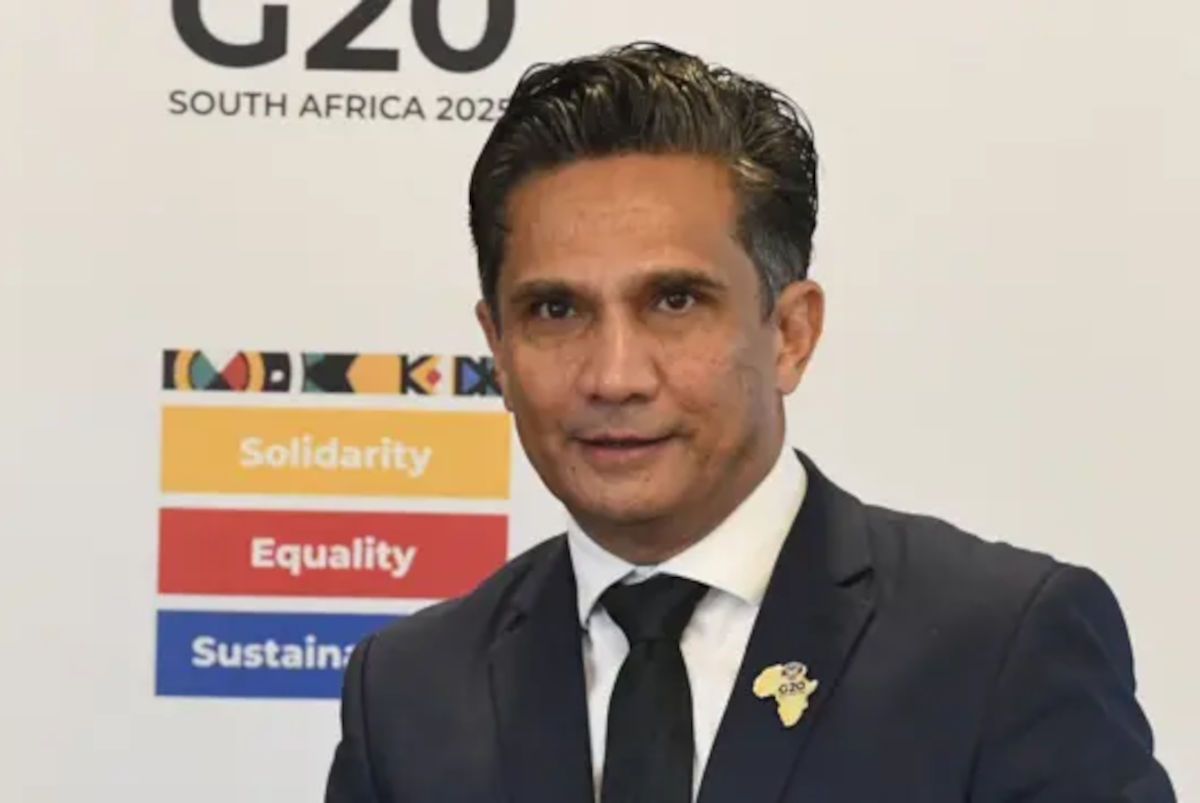
Four months into its G20 presidency, South Africa has taken substantial steps towards shaping international policy discourse, with the establishment of 15 dedicated working groups aimed at addressing some of the world’s most pressing issues. The presidency, led by South Africa’s G20 Sherpa Zane Dangor, underscores the country’s commitment to multilateral cooperation as a mechanism for advancing shared global interests.
During the second G20 Sherpa meeting, held virtually from 4-5 April, Dangor expressed appreciation for the support extended by fellow G20 members, noting that the effectiveness of South Africa’s leadership depended on their collective engagement. He reaffirmed the centrality of multilateral institutions in responding to today’s interconnected global crises, citing the United Nations and other international bodies as essential partners in developing sustainable solutions.
Among the 15 working groups established under South Africa’s presidency are initiatives focusing on anti-corruption, development, climate change, women’s empowerment, education, and health. These thematic groups have been designed to generate actionable policies, ensuring that the G20 remains a pivotal force in tackling challenges that transcend national borders. Dangor emphasised that the complexity of contemporary global governance necessitates a collaborative approach, where nation-states align their efforts through multilateral frameworks.




As the international community grapples with mounting geopolitical tensions, South Africa has sought guidance on how best to navigate these issues within the G20 framework. The role of Sherpas—senior representatives responsible for shaping policy discussions ahead of G20 summits—has proven crucial in managing the diplomatic intricacies involved. Dangor acknowledged that beyond technical discussions, G20 Sherpas and ministers of international relations play a fundamental role in addressing broader political dimensions that influence global cooperation.
With the third G20 Sherpa meeting set to take place in June in South Africa’s North West Province, the country continues to position itself as a key player in fostering international dialogue. The ongoing efforts under its presidency highlight the evolving nature of multilateral governance, where emerging economies like South Africa assume greater responsibility in shaping global policy trajectories.

Through its leadership of the G20, South Africa aims to reinforce the principles of inclusivity and collective problem-solving, ensuring that international decision-making processes reflect the diverse interests of both developed and developing nations. As global challenges become increasingly complex, the role of platforms such as the G20 in crafting cooperative responses remains more critical than ever.


