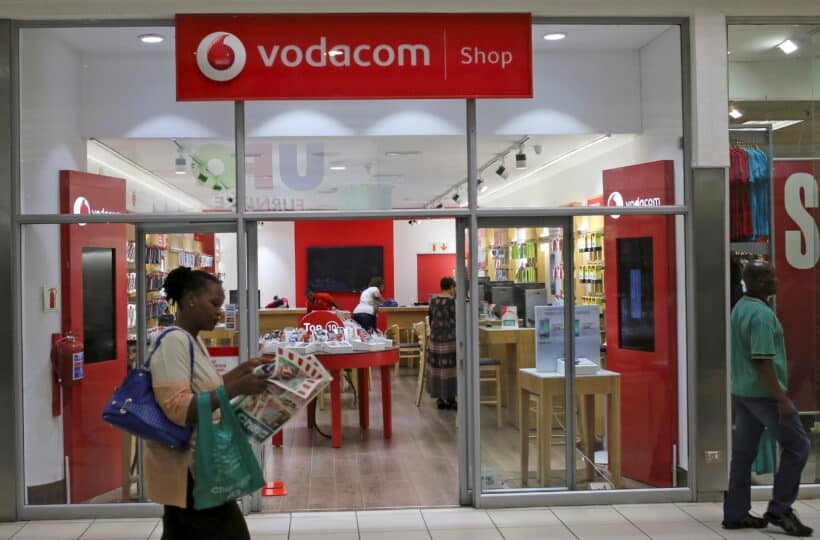
In a significant regulatory decision, South Africa’s Competition Tribunal has halted Vodacom’s proposed acquisition of a substantial stake in fibre network provider Maziv, thwarting the leading telecom operator’s ambitions to amplify its footprint within the country’s burgeoning fibre market. The tribunal announced its verdict on Tuesday, confirming that it will disclose the detailed rationale for its decision at a later date.
The proposed deal, valued at a total of 10.2 billion rand (£437 million), was originally unveiled in 2021 when Vodacom, the country’s largest mobile network operator, agreed to acquire a 30% stake in Maziv, the holding entity behind fibre infrastructure companies Dark Fibre Africa and Vumatel. Under the terms, Vodacom would pay 6 billion rand in cash, supplemented by fibre assets valued at an additional 4.2 billion rand.
The transaction was positioned by Vodacom as a strategic move to bolster its capabilities in the high-demand fibre market, aligning with the company’s broader aspirations to enhance connectivity solutions across South Africa. However, the proposed merger faced escalating scrutiny from competition authorities. In 2023, the Competition Commission, tasked with evaluating the competitive impact of mergers prior to final rulings by the tribunal, recommended against the merger. It cited potential threats to competition, noting that the conditions suggested by Vodacom and Maziv were insufficient to offset the anticipated anticompetitive effects of the merger.



While the Competition Tribunal has not yet elucidated the full basis for its judgement, preliminary concerns raised by the commission pointed to a potential consolidation of market power that could hinder competition in several sectors reliant on fibre infrastructure. This aligns with broader apprehensions within South Africa’s regulatory landscape, where authorities have increasingly scrutinised market consolidation in strategic sectors such as telecommunications and fibre broadband.
Industry analysts view the tribunal’s ruling as a setback for Vodacom, which has been actively exploring ways to diversify beyond its core mobile business to adapt to shifting market dynamics. South Africa’s telecom sector has seen a marked rise in demand for fibre connectivity as digitalisation accelerates across both urban and semi-urban areas. Given the limited fibre network options available outside major cities, competition regulators are likely mindful of maintaining open market conditions to stimulate further infrastructure investments.
Vodacom’s acquisition would have extended its access to a robust fibre network footprint through Maziv’s subsidiaries, Dark Fibre Africa and Vumatel, both of which hold significant market shares in fibre-to-the-home and backhaul network services. The decision to block the deal underscores South Africa’s regulatory focus on balancing market expansion efforts by large operators with the need to preserve competition and safeguard consumer interests.

As the nation’s telecom industry continues its transformation amid a growing appetite for high-speed data connectivity, the Competition Tribunal’s ruling on the Vodacom-Maziv merger is likely to serve as a benchmark for future regulatory decisions. It may also prompt Vodacom to reconsider its growth strategies within the fibre market, potentially turning towards organic infrastructure development or smaller-scale acquisitions less likely to raise competitive concerns.
Vodacom has yet to issue a public response to the tribunal’s decision, while industry stakeholders await the tribunal’s forthcoming explanation of the decision, which could offer further insights into the competitive landscape and regulatory priorities shaping South Africa’s telecom sector.