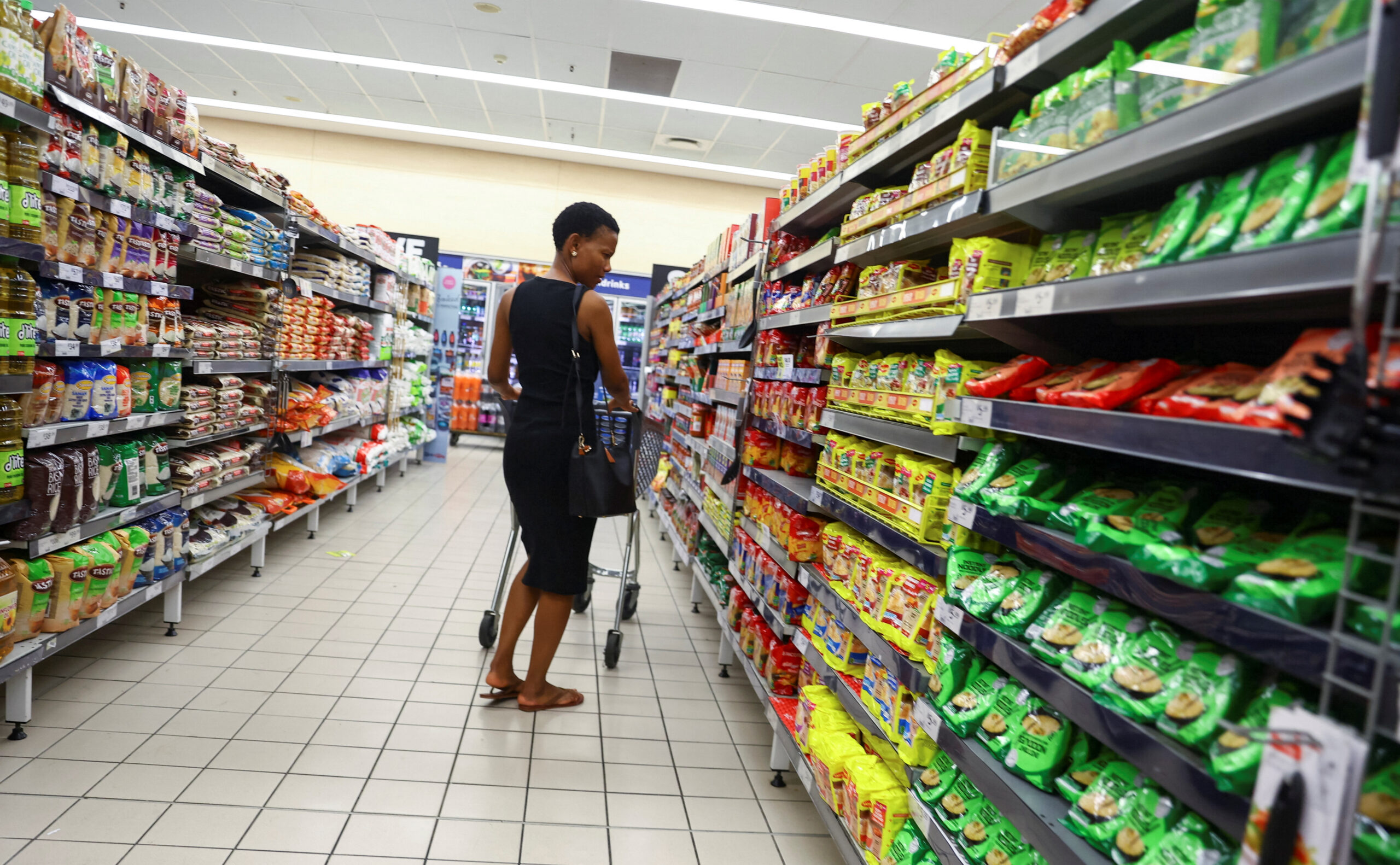
Statistics South Africa has announced a significant update to its consumer inflation basket, introducing several new items that better reflect contemporary spending patterns. Among the newly added products are rosé wine, air fryers, and streaming services—highlighting shifts in consumer behaviour and technological adoption.
This is the first revision of the inflation basket since 2022, with Stats SA incorporating changes informed by its 2022/23 household income and expenditure survey. The update has led to the addition of 71 products, the removal of 53, and the reorganisation of 29 through reclassification, splitting, or merging. As a result, the total number of items in the basket now stands at 391, slightly down from the previous 396.
Patrick Kelly, Head of Price Statistics at Stats SA, acknowledged the difficulty in assessing the immediate impact of these adjustments on inflation data. “The subtle shifts in weightings of some categories make it challenging to predict how future inflation figures will be affected,” he said.
Despite these changes, core categories such as housing and utilities, food and non-alcoholic beverages, and transport continue to carry the largest weightings. Notably, the weighting of food and non-alcoholic beverages has increased, while the share allocated to housing and utilities has declined. This suggests that the overall impact on headline inflation is likely to be limited.
The update comes at a time when consumer inflation in South Africa is at the lower end of the South African Reserve Bank’s target range, a factor that has enabled the central bank to reduce interest rates at its past two monetary policy meetings. Another rate cut is widely anticipated in the coming days, reflecting confidence in stable inflationary pressures.
Analysts have noted that revisions to inflation baskets are standard practice in economic data collection, ensuring that official statistics accurately capture evolving consumption patterns. “Inflation tracking must remain dynamic,” remarked an economist at a leading financial institution. “The inclusion of digital services and modern kitchen appliances speaks to broader trends in consumer preferences and technological shifts.”
Beyond price measurement, Stats SA’s survey also provided insight into broader socioeconomic conditions. Real average annual household income declined slightly from 206,000 rand (£8,860) in 2015 to approximately 204,000 rand (£8,780) in 2023, reflecting the pressures on South African consumers over the past decade.
More concerning, however, are the persistent racial income disparities highlighted by the survey. More than three decades after the official end of apartheid, economic inequality remains stark. Over 45% of Black African households reported annual spending of less than 25,000 rand (£1,080), a figure that underscores the financial constraints faced by a significant portion of the population.
Such disparities have broad economic implications, influencing household purchasing power and overall consumption trends. Analysts argue that these structural inequalities necessitate continued policy intervention to foster more inclusive economic growth.
South Africa’s inflation basket revisions align with global best practices, where economic agencies periodically adjust consumer price indices to ensure accuracy in inflation measurement. The inclusion of digital services reflects a global shift towards a more technology-driven economy, while the presence of air fryers in the basket signals changing dietary and cooking preferences among South African households.
The decision to adjust the basket at this juncture underscores Stats SA’s commitment to refining economic measurement tools amid a rapidly evolving consumer landscape. While inflation calculations remain a technical process, they have real-world consequences, influencing interest rate decisions, wage negotiations, and broader economic planning.
As South Africa continues to navigate economic challenges, including income disparities and evolving spending patterns, the latest revision of the inflation baskt offers a more precise reflection of household consumption trends. By integrating contemporary consumer preferences into its calculations, Stats SA ensures that official inflation figures remain relevant, providing policymakers and economists with a clearer picture of the country’s economic trajectory.