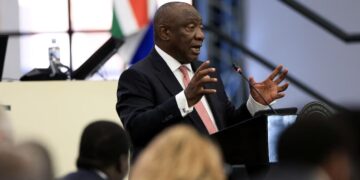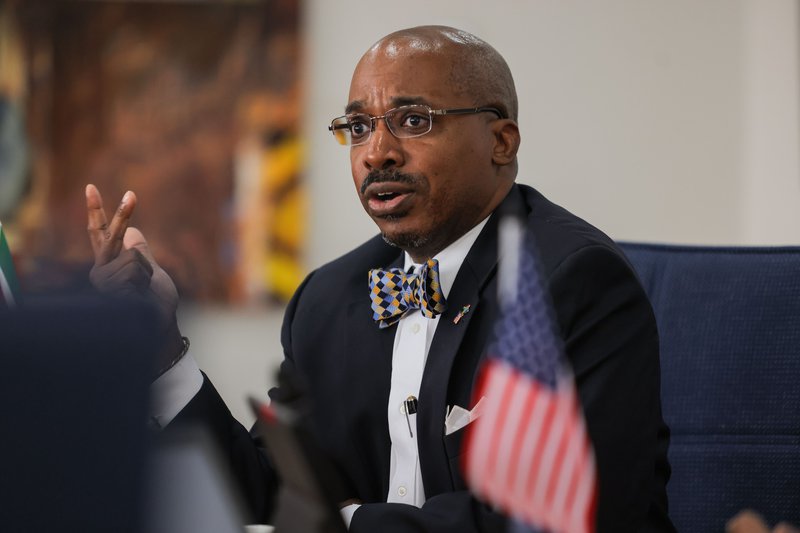
A recent turn of events, an independent investigation commissioned by South African President Cyril Ramaphosa has emphatically cleared the nation of allegations made by the US ambassador, Reuben Brigety, regarding the shipment of weapons to Russia. The investigation’s findings not only vindicate South Africa but also raise serious questions about the credibility and actions of the US ambassador.
Accusations against South Africa, involving the alleged shipment of weapons to Russia via the Russian cargo ship Lady R, had garnered international attention and strained diplomatic relations. However, the investigation, led by retired judge Phineas Mojapelo, has categorically dismissed these claims, stating that there is no evidence to support the allegations.
The impact of these unfounded allegations on South Africa has been significant. President Ramaphosa highlighted that the accusations had detrimental effects on the nation’s currency, economy, and global standing. The value of the South African Rand suffered, reflecting the damaging consequences of Ambassador Brigety’s statements.



One of the most concerning aspects of this episode is the unwavering confidence displayed by Ambassador Brigety in his claims. Despite the lack of evidence and the subsequent findings of the independent inquiry, he continued to assert that weapons were loaded onto the Lady R. Such a steadfast stance, even in the face of contrary evidence, calls into question his credibility and motives.

Furthermore, the decision not to release the panel’s full report raises eyebrows. While some information may be classified, transparency and accountability are essential in diplomatic matters of this magnitude. The refusal to provide a detailed account of the investigation’s findings leaves room for speculation and does little to restore the damaged reputation of the South African government.
In light of these developments, members of the African National Congress (ANC) have called for the expulsion of Ambassador Brigety. Obed Bapela, a member of the ANC International Relations Subcommittee, expressed his belief that Brigety’s actions warranted his removal from office. This call for action underscores the seriousness of the situation and the need for accountability in international diplomacy.
The South African government’s commitment to establishing the truth and defending its reputation has been resolute. The ANC’s stance on this matter reflects the importance of upholding the nation’s integrity and the need to hold those who make baseless accusations accountable for their actions.
As this saga continues to unfold, it is clear that South Africa remains steadfast in its commitment to the truth and to restoring its standing on the global stage. The impartial findings of the independent inquiry have cast a spotlight on the actions of Ambassador Brigety, leaving many to wonder about the consequences for his credibility and diplomatic career.