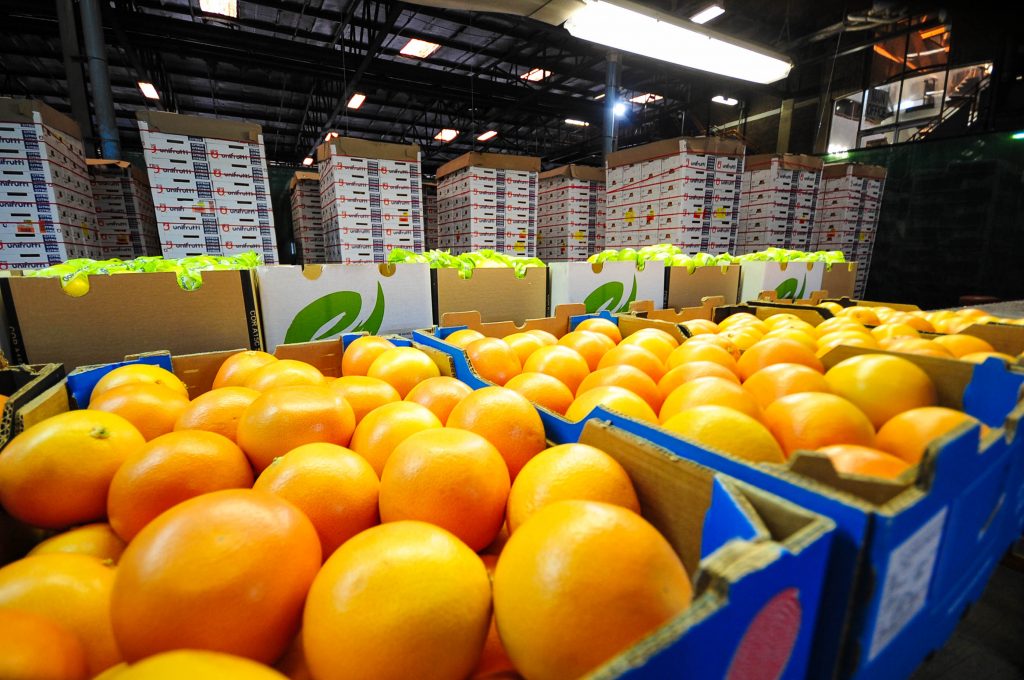
South Africa has formally lodged a complaint against the European Union’s (EU) citrus black spot (CBS) regulations with the World Trade Organisation (WTO), citing concerns over the impact on its citrus fruit exports. This move marks South Africa’s second ever complaint to the WTO and underscores the gravity of the situation for the country’s citrus industry.
The EU stands as a crucial market for South African citrus fruit, accounting for a substantial one-third of its citrus exports. However, recent changes in EU phytosanitary requirements for citrus imports have sparked discontent. These changes, which focus on false codling moth (FCM) and citrus black spot, demand enhanced cold treatment for fruit. False codling moth and citrus black spot pose significant risks to citrus crops, with the former being common in sub-Saharan Africa and the latter causing dark spots on fruit.
In a statement issued by the WTO, South Africa’s request for dispute consultations with the EU specifically targets certain aspects of the regime imposed by the EU on the importation of South African citrus fruit. The WTO’s dispute resolution mechanism allows parties 60 days for discussions to resolve the matter. However, should consultations fail, South Africa reserves the right to request adjudication by a panel.



The dispute comes amid ongoing challenges for South African farmers, including power supply and logistics issues, as well as rising input costs. The increased CBS risk management requirements imposed by the EU are estimated to add approximately $100 million annually in costs for South African farmers.
Analysis:
This dispute between South Africa and the EU echoes previous challenges in international trade, particularly concerning phytosanitary measures. One such scenario that the WTO has dealt with in the past is the dispute between the United States and the EU over hormone-treated beef.
In the late 1990s, the US challenged the EU’s ban on hormone-treated beef, arguing that it violated WTO rules. The EU maintained its ban, citing health concerns, but the WTO ultimately ruled against the EU, deeming its ban inconsistent with international trade agreements. This ruling led to substantial trade sanctions against the EU.

Similarly, in the current dispute, South Africa is challenging the EU’s phytosanitary measures, arguing that they impose undue burdens on its citrus exports. While the EU’s measures aim to protect against pests and diseases, South Africa contends that they are overly restrictive and economically damaging.
If history is any indication, this dispute could result in significant implications for both parties. The WTO will play a crucial role in adjudicating the matter and ensuring that any trade restrictions are in line with international trade rules. Ultimately, a balance must be struck between protecting agricultural interests and facilitating fair trade practices.