Friday, April 24, 2026
  • Login
The Southern African Times
  • Home
  • Southern Africa
  • Business
    • African Start ups
    • African Continental Free Trade Area
  • Technology
    • Lifestyle
      • Health
      • Culture
      • Food and Drink
      • Entertainment
  • Opinion
  • Sports
  • SAT Jobs
    • Events
  • About Us
    • Advertise with Us
    • Contact Us
No Result
View All Result
  • Home
  • Southern Africa
  • Business
    • African Start ups
    • African Continental Free Trade Area
  • Technology
    • Lifestyle
      • Health
      • Culture
      • Food and Drink
      • Entertainment
  • Opinion
  • Sports
  • SAT Jobs
    • Events
  • About Us
    • Advertise with Us
    • Contact Us
No Result
View All Result
The Southern African Times
No Result
View All Result
Home Markets

European Stocks Fall as Oil Rises on Hormuz Tensions, with African Implications

by SAT Reporter
April 23, 2026
in Markets
0
European Stocks Fall as Oil Rises on Hormuz Tensions, with African Implications

Financial markets across Europe retreated amid heightened geopolitical uncertainty, with energy-linked equities offering a partial counterweight as oil prices advanced in response to developments in the Middle East. The session reflected a broader recalibration of investor risk appetite rather than a wholesale reassessment of economic fundamentals.

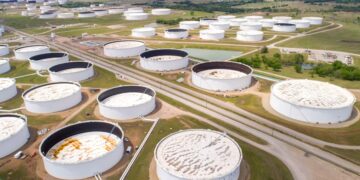
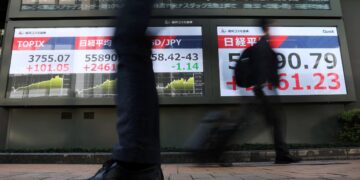
The Italian benchmark index, the FTSE MIB, closed modestly lower at approximately 47,785 points, extending prior losses. Similar patterns were observed across major European bourses, with the CAC 40 declining by around one per cent, Germany’s DAX 40 easing, and the FTSE 100 in London registering a marginal fall. Market sentiment has been shaped in part by renewed tensions in the Strait of Hormuz, a critical maritime corridor through which a significant share of globally traded oil passes. Reports that Iranian authorities detained vessels in the area contributed to upward pressure on crude prices, with Brent crude trading above 100 United States dollars per barrel.

From an African perspective, such developments carry material implications. Several Southern and East African economies remain structurally exposed to imported energy costs, and fluctuations in oil prices can have downstream effects on inflation, fiscal balances, and food security. Countries such as South Africa, Kenya, and Tanzania, which rely on maritime energy imports routed through global chokepoints, may experience indirect pressures even when not directly implicated in geopolitical disputes. At the same time, oil producing states on the continent, including Angola and Nigeria, may see short term revenue gains, illustrating the uneven distribution of impacts across African economies.


ADVERTISEMENT

Within Milan’s equity market, declines were broad based. Luxury goods group Moncler fell despite reporting quarterly revenue growth supported by Asian demand, suggesting that macroeconomic concerns outweighed company specific performance. Industrial and defence linked firm Fincantieri also closed lower after confirming developments in its naval programme, while automotive manufacturer Stellantis edged down ahead of anticipated earnings results.

In contrast, energy companies tracked the rise in oil prices. Eni recorded gains as higher crude benchmarks typically strengthen upstream earnings expectations. Engineering and energy services group Saipem led advances after securing a contract linked to offshore development in Guyana. The award, associated with ExxonMobil’s Stabroek Block, highlights the continued expansion of deepwater energy projects in the Global South, including regions that increasingly intersect with African technical expertise and supply chains.

The African dimension of offshore energy development is not confined to the continent’s coastline. Firms operating in Angola, Mozambique, and Namibia are part of a wider network of engineering, logistics, and financial flows that connect Atlantic basin projects. The Guyana development, while geographically distant, reflects a broader shift towards deepwater exploration that mirrors similar initiatives off West and Southern Africa. This interconnectedness underscores how capital, technology, and labour circulate across regions often treated as separate in conventional market narratives.

Mid capitalisation and smaller companies in Italy presented a more mixed picture, with selective gains indicating pockets of resilience. However, overall market direction remained subdued, reflecting tighter financial conditions. Data from the European Central Bank showed a contraction in its balance sheet, signalling continued withdrawal of liquidity from the financial system. Such policy normalisation has implications beyond Europe, as shifts in global liquidity influence capital flows Õ¤Õ¥ÕºÕ« emerging and frontier markets, including those in Africa.

Currency markets were relatively stable, with the euro trading close to recent levels against the United States dollar. Gold prices remained elevated, consistent with a cautious investment environment, while United States equity indices moved higher, suggesting a degree of regional divergence in risk sentiment.

Looking ahead, investors are monitoring a series of economic indicators, including purchasing managers indices across major economies and labour market data from the United States. For African policymakers and market participants, the interplay between geopolitical developments, commodity prices, and global monetary conditions remains central. The current environment reinforces the importance of diversified economic structures and regional integration, particularly under frameworks such as the African Continental Free Trade Area, which aims to strengthen intra African trade resilience in the face of external shocks.

Tags: Africa economyAfrican Continental Free Trade AreaCommoditiesenergy marketsENIEuropean marketsfinancial marketsFTSE MIBGeopoliticsglobal tradeInflationOil PricesSaipemStrait of Hormuz
Previous Post

TDB Restructures Ownership to Reinforce Multilateral Status in Global Debt Debate

Next Post

Dangote Refinery Expands to Close Africa’s Petrochemical Import Gap

SAT Reporter

Related Posts

Coffee Industry Launches Satellite System to Track Deforestation in African Growing Regions
Markets

Coffee Industry Launches Satellite System to Track Deforestation in African Growing Regions

by SAT Reporter
April 23, 2026
Africa’s Insurance Boom Driven by Rising Middle Class and Mobile Access
Markets

Africa’s Insurance Boom Driven by Rising Middle Class and Mobile Access

by SAT Reporter
April 21, 2026
China’s Zero Tariff Policy Opens New Export Pathways for Zimbabwe’s Blueberry Industry
Markets

China’s Zero Tariff Policy Opens New Export Pathways for Zimbabwe’s Blueberry Industry

by SAT Reporter
April 12, 2026
Africa’s Growth Holds Steady but Beneath the Surface Pressures Are Mounting
Markets

Africa’s Growth Holds Steady but Beneath the Surface Pressures Are Mounting

by SAT Reporter
April 12, 2026
South Africa’s Private Sector Returns to Modest Growth as PMI Edges Above 50
Markets

South Africa’s Private Sector Returns to Modest Growth as PMI Edges Above 50

by SAT Reporter
April 8, 2026
Next Post
Dangote Refinery Expands to Close Africa’s Petrochemical Import Gap

Dangote Refinery Expands to Close Africa’s Petrochemical Import Gap

Browse by Category

  • Africa AI
  • African Continental Free Trade Area
  • African Debt
  • African Start ups
  • Agriculture
  • AI Africa
  • Algeria
  • All News
  • Analysis
  • Angola
  • Arts / Culture
  • Asia
  • Botswana
  • BOTSWANA
  • BREAKING NEWS
  • BRICS
  • Burkina Faso
  • Burundi
  • Business
  • Business
  • Business Wire
  • Cameroon
  • Central Africa
  • Chad
  • China
  • Climate Change
  • Climate Changev
  • Community
  • Congo Republic
  • Conservation
  • Côte d’Ivoire
  • COVID 19
  • CRYPTOCURRENCY
  • Culture
  • Democratic Republic of Congo
  • Diplomacy
  • Eastern Africa
  • Economic Development
  • Economy
  • Education
  • Egypt
  • Elections 2024
  • Energy
  • Entertainment
  • Environment
  • Eritrea
  • Ethiopia
  • Europe
  • Fashion
  • Feature
  • Finance
  • Financial Inclusion
  • Food
  • Food and Drink
  • Foods
  • GABON
  • Ghana
  • Global
  • Global Africa
  • Guinea
  • Health
  • Immigration
  • in Southern Africa
  • International news
  • International Relations
  • Ivory Coast
  • Just In
  • Kenya
  • Lesotho
  • Libya
  • Life Style
  • Lifestyle
  • Literature
  • Malawi
  • Malawi
  • Mali
  • Markets
  • Mauritius
  • Middle East
  • Mining in Africa
  • Morocco
  • Mozambique
  • Namibia
  • Niger
  • niger
  • Nigeria
  • North Africa
  • North-Eastern Africa
  • Obituaries
  • Obituary
  • Opinion
  • PARTNER CONTENT
  • Politics
  • Property
  • Racism
  • Rwanda
  • Rwanda
  • SADC
  • SAT Interviews
  • SAT Investigation
  • SAT Jobs
  • Saudi Arabia
  • Senegal
  • Seychelles
  • Somaliland
  • South Africa
  • South Sudan
  • Sports
  • Startup Africa
  • STOCK EXCHANGE
  • Sudan
  • Sustainability
  • Sustainablity
  • Tanzania
  • Technology
  • Telecommunications
  • The Editorial Board
  • The Power Of She
  • Togo
  • Trade
  • Travel
  • Travel
  • Tunisia
  • Uganda
  • Uncategorized
  • Wealth
  • West Africa
  • World
  • World
  • ZAMBIA
  • Zambia
  • ZIMBABWE
  • Zimbabwe

Browse by Tags

#NewsUpdate #SouthAfrica #SouthernAfricanTimes #TheSouthernAfricanTimes AfCFTA africa African Continental Free Trade Area African development African Development Bank African economies African economy African Union Agriculture Angola Botswana Business China Climate change Cyril Ramaphosa Economic Development economic growth energy transition fiscal policy food security industrialisation Inflation Infrastructure Development International relations Investment Kenya Mozambique Namibia news Nigeria Regional Integration renewable energy Rwanda SADC South Africa Southern Africa sustainable development Tanzania United States Zambia Zimbabwe
ADVERTISEMENT

WHO WE ARE

The Southern African Times is a regional bloc digital newspaper that covers Southern African and world news. The paper also gives a nuanced analysis on news and covers a wide range of reporting which include sports, entertainment, foreign affairs, arts and culture.

Welcome Back!

Login to your account below

Forgotten Password?

Retrieve your password

Please enter your username or email address to reset your password.

Log In

  • Home
  • Southern Africa
  • Business
    • African Start ups
    • African Continental Free Trade Area
  • Technology
    • Lifestyle
      • Health
      • Culture
      • Food and Drink
      • Entertainment
  • Opinion
  • Sports
  • SAT Jobs
    • Events
  • About Us
    • Advertise with Us
    • Contact Us
Are you sure want to unlock this post?
Unlock left : 0
Are you sure want to cancel subscription?