South Africa’s economic prospects for 2026 reflect cautious optimism, according to the latest Economic Outlook 2026 released by the Mastercard Economics Institute. The report draws upon anonymised and aggregated data from Mastercard transactions, along with public and proprietary datasets, to assess trends across consumption, trade, and productivity dynamics. Though not a forecast of Mastercard’s own financial performance, the insights offer valuable perspectives on South Africa’s projected economic trajectory.
The analysis outlines that South Africa is expected to experience a GDP expansion of 1.2 percent in 2026. While this figure lags behind the 4.4 percent projected average across Sub-Saharan Africa, and the 3.1 percent global benchmark, the growth reflects a stabilisation phase underpinned by improving domestic conditions. The convergence of supportive financial policies, moderating inflation, and strengthening wage growth has laid the groundwork for an increase in household purchasing power.
The broader Sub-Saharan African context reveals an economic environment shaped by disinflation and easing global financial pressures. Across the continent, the depreciating United States dollar and softening energy prices have contributed to more accommodative monetary conditions. Central banks are anticipated to respond by gradually reducing interest rates, thereby stimulating consumer expenditure and domestic investment. South Africa is no exception, where wage growth is currently outpacing inflation, translating into a tangible uplift in real incomes.



These shifts are reflected in evolving consumer preferences. According to Mastercard data, South African households are reallocating spending towards experience-oriented and lifestyle-related goods and services, signalling a transition in consumption patterns as budgetary constraints ease. This trend aligns with a broader global phenomenon, where consumers are demonstrating increased price sensitivity for essential goods while seeking value in discretionary purchases that provide meaningful experiences.

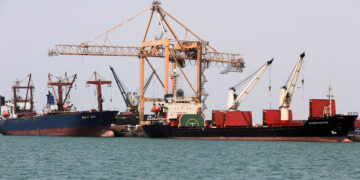
Trade diversification remains a strategic priority. South Africa’s economic strategy appears increasingly oriented towards emerging markets, particularly Asia and the Middle East. The recalibration of global supply chains, along with China’s decision to eliminate import duties on the majority of African goods, is opening new channels for South African exporters. This development is especially significant for industries historically vulnerable to protectionist measures emanating from Western economies.
Digital transformation emerges as a key thematic trend in the Mastercard report. The integration of artificial intelligence across sectors is expected to accelerate productivity gains and support economic adaptation. South Africa currently ranks at an early stage on the AI Enthusiasm Index, which evaluates AI-related expenditure across national economies. The index suggests considerable headroom for growth in AI adoption as public and private sector actors increase investments in digital infrastructure and AI capacity-building.
Beyond technology, long-term infrastructure investment is identified as a vital pillar of South Africa’s economic renewal. Strategic capital allocation aimed at modernising transport, energy, and digital networks could mitigate some of the structural inefficiencies that have historically hindered inclusive growth.
In this shifting economic landscape, small and medium-sized enterprises (SMEs) retain a vital role. SMEs in South Africa account for over a fifth of all retail expenditure. The report highlights the steady growth of e-commerce engagement among SMEs, driven by access to cost-efficient digital tools. These enterprises are increasingly leveraging digital platforms to scale operations, enhance competitiveness, and respond more agilely to consumer demand.
There is an emerging opportunity for African SMEs to develop bespoke technological services, especially in underserved local contexts. However, the capacity to benefit from these opportunities hinges on access to digital infrastructure and the ability to adapt quickly to market changes. The Mastercard Economics Institute underscores that strategic agility, underpinned by digital readiness, will be critical for SME growth in the coming years.
Consumer behaviour globally continues to evolve in response to shifting socio economic conditions. The report notes that while consumers remain cautious and value-driven, there is a discernible emphasis on allocating resources toward internationally-enabled services, such as travel and live entertainment. This trend, albeit uneven, illustrates a pivot towards experiences that are perceived as meaningful, even as price sensitivity endures in other consumption areas.
Taken together, these developments suggest that South Africa is navigating a complex and interdependent global economy with cautious resilience. The interplay between domestic policy, regional trade integration, and technological advancement will shape the contours of economic growth over the medium term. The challenge lies in ensuring that the benefits of growth extend beyond headline metrics to advance inclusive development.
The Mastercard Economics Institute’s outlook does not offer a singular narrative of economic transformation but rather frames South Africa’s growth prospects within a broader African context of structural transition. It calls for reframing Africa’s economic stories not solely in terms of deficits or dependencies but through the lens of agency, adaptability, and innovation rooted in local realities.