Sibanye Stillwater is intensifying its search for copper assets across Africa after its attempt to acquire Zambia’s Mopani Copper Mines fell short. The Johannesburg-based miner – known for platinum and gold – was edged out in the final bidding for Mopani, but company officials say copper remains a key target for diversification. This push comes even as Sibanye and its peers contend with a profit squeeze from sliding platinum-group metal prices, underscoring the firm’s resolve to broaden its portfolio.
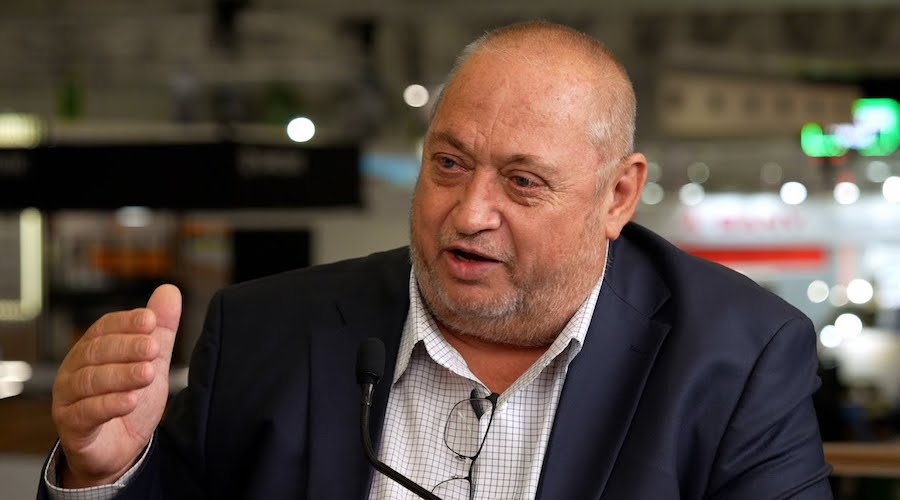
Sibanye Stillwater had bid for a controlling stake in Mopani but lost out to a unit of Abu Dhabi’s International Holding Company (IHC), which secured a 51% stake in the Zambian producer, surpassing offers from both Sibanye and China’s Zijin Mining. Neal Froneman, Sibanye’s chief executive, reaffirmed the company’s commitment to copper acquisitions, stating, “Copper still remains one of the best commodities to have exposure to, so it remains a very important part of our portfolio.”
Froneman noted that Sibanye continues to evaluate copper prospects in countries including Zambia and the Democratic Republic of Congo (DRC) as it seeks footholds in Africa’s copper belt. He acknowledged that valuations in the copper market have been high – describing the market as “overheated” in recent times – but indicated conditions are beginning to moderate. That slight cooling could make it easier to pursue deals, although securing quality assets remains challenging. Industry-wide, competition for copper deposits has intensified amid rising demand for the metal in electric vehicles and renewable energy infrastructure. Copper prices surged to record levels above $11,000 per tonne in recent years, driven by the global energy transition, before easing back from those peaks. This environment has left major miners wary of overpaying – with Rio Tinto executives recently remarking that it is “not an easy market to just buy yourself into.”



Sibanye’s pursuit of copper is part of a broader diversification plan to reduce reliance on traditional precious metals and tap into “future-facing” minerals. The company, which was spun out of South African gold mines in 2013, has since transformed into a diversified producer with platinum, nickel, and lithium assets across Africa, Europe, and the United States. Expanding into copper and battery metals aligns with its long-term objective of supplying the raw materials needed for cleaner energy technologies. Global demand for these minerals is expected to climb as economies shift away from fossil fuels, and Sibanye is positioning itself accordingly. Other South African miners, such as Impala Platinum and Exxaro Resources, have also been hunting for copper, cobalt, lithium, and nickel assets, highlighting an industry-wide drive to secure minerals vital for electric vehicles and renewable power systems.

Froneman has pointed out that competition for African mineral assets often involves well-funded state-backed companies, especially from China. He suggested that Western governments may need to support their mining firms in Africa – for instance, with financing and infrastructure – to level the playing field against Chinese and other state-linked investors. In the Mopani case, the winning bidder, IHC, underscored how geopolitics and deep pockets can influence outcomes. Sibanye’s strategy has had to account for these factors, whether by partnering with international investors or exercising discipline to avoid overpaying. “Any good asset can be financed one way or another,” Froneman observed, emphasising that while funding is a consideration, the company remains determined to pursue the right opportunities.
Beyond copper, Sibanye Stillwater has been extending its global reach into battery metals. In Europe, it is developing the Keliber lithium project in Finland – an operation targeting around 15,000 metric tonnes of battery-grade lithium hydroxide annually once it comes online in 2025–2026. Sibanye approved a €588 million investment to advance Keliber, giving it a strategic foothold in the European electric-vehicle supply chain. The company secured an additional €500 million in debt funding for Keliber in 2024, pressing ahead with construction despite a steep drop in lithium prices over the past year. James Wellsted, Sibanye’s spokesman, noted that the group has “strong conviction” in a future lithium supply deficit and expects prices to recover as EV demand accelerates. This confidence in long-term fundamentals has driven Sibanye to continue the Finnish project even while lithium prices are about 70% lower than their peak last year.
In the United States, Sibanye had embarked on a joint venture to develop the Rhyolite Ridge lithium-boron project in Nevada as part of its push into the U.S. battery metals space. Under the 2021 partnership, Sibanye planned to invest about $490 million for a 50% stake in Rhyolite Ridge alongside Australian firm ioneer Ltd. However, after completing a thorough due diligence review, Sibanye withdrew from the project in early 2025 when its board concluded the venture did not meet the company’s investment hurdle rates under “prudent” commodity price assumptions. The decision came amid a sharp downturn in lithium prices – which have fallen more than 80% since 2022’s highs – and rising oversupply concerns in the lithium industry. Sibanye stated that it remains committed to the U.S. market and its overall battery metals strategy despite exiting Rhyolite Ridge and will continue to evaluate other growth opportunities in North America.
Commodity price volatility has had a tangible impact on Sibanye’s operations and strategic choices. The company’s core platinum-group metals business has been hit by falling prices, particularly for palladium and rhodium, over the past year. Those price declines prompted Sibanye to restructure certain loss-making PGM operations, including its palladium mines in Montana (acquired through the Stillwater transaction) and some South African shafts. Last year, Sibanye’s profits were down sharply, and it took impairment charges on both foreign and domestic mines as PGM prices tumbled. In the lithium sector, the rapid price correction has forced many developers to reconsider project timelines and budgets. Sibanye’s move to pull back from Rhyolite Ridge reflects a cautious approach in the face of lower prices, even as the company maintains an optimistic outlook on long-term demand. Overall, Sibanye’s management has stressed financial discipline – ensuring that any new acquisition or project can withstand market swings – while still positioning the firm for the expected upcycle in green-metal demand.
With its Mopani bid behind it, Sibanye Stillwater is forging ahead in pursuit of other copper opportunities and solidifying its presence in the battery materials supply chain. The company’s diversification into copper, lithium, and other critical minerals is geared towards its long-term objective of remaining relevant and profitable in a decarbonising global economy. Even amid short-term setbacks and commodity price fluctuations, Sibanye is steadily aligning its portfolio with the metals essential to future clean-energy growth.