Shell has finalised an agreement to acquire Chevron’s stakes in two undeveloped ultra-deepwater offshore blocks in Angola, marking a renewed commitment by European energy firms to invest in one of Africa’s most dynamic oil markets. The transaction, confirmed by both companies, forms part of a broader movement to bolster Angola’s long-term energy capacity while supporting local regulatory and industrial reforms aimed at sustaining production above one million barrels per day.
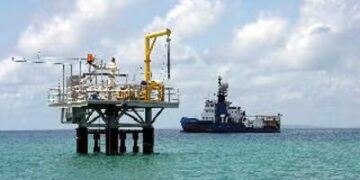
In a statement shared with Reuters, Shell announced that it has signed a farm-in agreement with the Cabinda Gulf Oil Company Ltd, a Chevron subsidiary, to obtain a 35 percent interest in Blocks 49 and 50 off the Angolan coast. According to Shell, the arrangement has received government approval and is now pending completion of final legal formalities. A Chevron spokesperson separately confirmed the agreement, emphasising that it remains subject to the final stages of regulatory clearance.
The acquisition aligns with Shell’s strategy to maintain its oil output while expanding its gas portfolio by an estimated one percent annually through 2030. Although financial details of the transaction were not disclosed, the deal underscores a trend of renewed confidence in Angola’s hydrocarbon sector following years of reform designed to attract and stabilise foreign investment.



Angola, Sub-Saharan Africa’s second-largest oil producer after Nigeria, has steadily reasserted itself as a central player in the regional energy landscape. Its government’s efforts to modernise regulatory structures and incentivise exploration have made it a critical site of interest for global energy firms seeking both production stability and new reserves.
From a continental perspective, the move signifies the evolving dynamics of African energy governance, where resource partnerships are increasingly guided by domestic priorities and long-term sustainability goals rather than extractive dependency. Angola’s approach mirrors a wider continental effort to reframe engagement with multinational corporations in ways that foreground mutual benefit, technological transfer, and economic resilience.

The acquisition also highlights the growing importance of Africa’s offshore assets as the world navigates a complex energy transition. While European oil majors such as Shell and TotalEnergies are progressively investing in renewable alternatives, they continue to regard African oil and gas production as a stabilising element within a diversified global portfolio. Angola’s strategic location and experienced workforce further position it as a keystone of this balanced approach.
This development could strengthen inter-African trade linkages as energy infrastructure investments increasingly foster local supply chains and regional value retention. Such initiatives suggest a shift from the historical extractive models that have often characterised Africa’s energy relations toward more collaborative frameworks in which African states hold greater agency over their resources.