Germany has agreed to extend a concessional climate loan of €200 million to South Africa, reinforcing a longstanding bilateral partnership focused on energy transition, industrial development, and resource cooperation. The announcement followed engagements in Berlin between South Africa’s Minister of International Relations and Cooperation, Ronald Lamola, and his German counterpart, Johann Wadephul, as part of the 12th session of the German South African Bi National Commission.
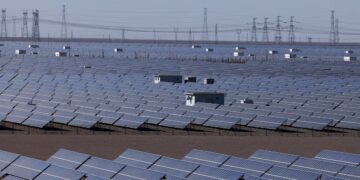
The financing is intended to support upgrades to South Africa’s electricity transmission infrastructure and to accelerate the integration of renewable energy into the national grid. These developments form part of broader efforts to address structural constraints within the country’s energy system while enabling a gradual shift from carbon intensive generation. According to official statements, the concessional nature of the loan is designed to ease fiscal pressures while advancing climate aligned investment priorities.
In parallel with the loan, Germany and the European Union have committed more than €270 million towards initiatives in green hydrogen and battery value chain development. These sectors are increasingly viewed as central to future industrial strategies, both within Africa and globally. South Africa’s substantial reserves of critical minerals, including platinum group metals and manganese, position it as a significant actor in emerging clean energy supply chains. Further detail on these initiatives can be found in reporting by MarketScreener and SolarQuarter.



The agreements reflect a convergence of interests. For South Africa, the transition presents an opportunity to modernise infrastructure, expand energy access, and strengthen regional energy integration within the Southern African Development Community. For European partners, engagement in Africa’s energy transition is linked to broader strategic considerations, including supply chain resilience and access to critical inputs necessary for low carbon technologies.

This cooperation takes place within a shifting geopolitical environment. South Africa has sought to maintain a diversified set of international partnerships, balancing relations across traditional Western allies and emerging global actors. While recent developments have highlighted areas of tension with the United States, particularly in multilateral forums, European partners have reiterated their commitment to sustained engagement.
From a continental perspective, the significance of the agreement extends beyond bilateral relations. Energy transitions across Africa are shaped by uneven access to finance, infrastructure gaps, and differing national priorities. Concessional financing mechanisms such as this one are increasingly central to bridging these gaps, though they also raise questions around long term sustainability, ownership, and equitable participation in global value chains.
South Africa’s approach reflects a broader African discourse that emphasises not only decarbonisation but also industrialisation, employment creation, and developmental sovereignty. The emphasis on local value addition in mineral processing and green industrialisation aligns with continental frameworks such as the African Union’s Agenda 2063. In this context, partnerships are often assessed not solely on financial scale, but on their capacity to support inclusive growth and structural transformation.
The latest commitments therefore illustrate both opportunity and complexity. They signal continued external interest in Africa’s energy future while underscoring the importance of African agency in shaping the terms and outcomes of that transition.