Senegal is on the cusp of exiting the Financial Action Task Force’s (FATF) “dirty money” gray list, potentially as early as next week, following a comprehensive reform push aimed at mitigating money laundering and terrorist financing risks. The anticipated move could boost the West African nation’s appeal to international investors after a period of negative economic developments.
A recent on-site assessment by a team from the Paris-based FATF highlighted Senegal’s significant progress in strengthening its anti-money laundering (AML) and counter-terrorism financing (CTF) frameworks, according to sources familiar with the deliberations. While final decisions have yet to be made, it’s expected that Senegal could be removed from the gray list at the conclusion of the FATF plenary on October 25. Both FATF officials and Senegalese government representatives have declined to comment on the confidential discussions.
Senegal has been on the FATF gray list due to concerns over deficiencies in its financial oversight, but the country has been working diligently to address these issues. The reforms are part of a broader strategy to improve transparency in its financial systems and build investor confidence, which has been shaken by recent negative developments, including a brief sell-off of the nation’s eurobonds.



Key to Senegal’s expected removal from the list has been its proactive steps to tighten regulatory oversight, improve information sharing among institutions, and enhance its legal mechanisms to combat financial crimes. Exiting the gray list would not only restore investor confidence but also remove a significant barrier to attracting foreign capital.

The removal from the gray list is particularly important for Senegal, which has been experiencing economic challenges. Earlier this month, Moody’s downgraded the country’s credit rating further into junk status after an audit revealed a ballooning budget deficit of over 10% for 2023 — almost double the 5.5% reported by the previous administration. This downgrade has placed the country under watch for further possible downgrades, making the exit from the FATF list a timely boost.
With projects involving BP Plc and Kosmos Energy Ltd. set to come online this year, Senegal is poised to become a significant oil and gas producer, a development expected to fuel 6% economic growth in 2024. The exit from the FATF gray list could further accelerate foreign investment and financial stability, enabling the country to leverage its growing natural resources sector to stabilize its fiscal outlook.
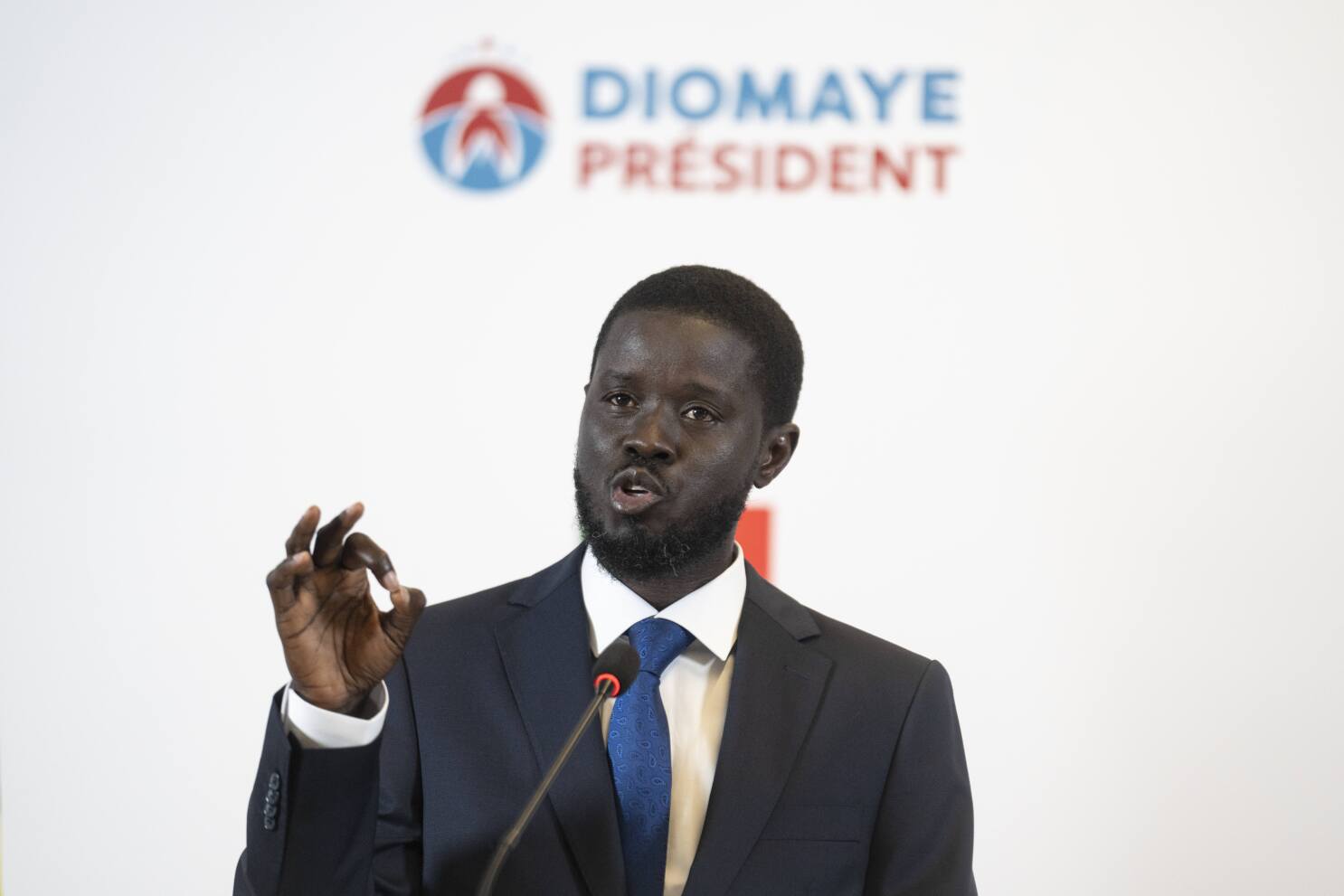
Senegal’s imminent removal from the FATF gray list will likely play a pivotal role in its efforts to recover economically and politically. The country had secured a $1.8 billion funding arrangement from the International Monetary Fund (IMF) in 2023, which was partly contingent on the success of its financial reforms. The government, now under newly elected President Bassirou Diomaye Faye, is keen to restore investor confidence after the discovery of the larger-than-reported budget deficit.
As Senegal navigates the challenges of becoming a major player in the oil and gas sector, it is crucial to demonstrate that its financial systems meet global standards of transparency and accountability. The expected change in its status with the FATF is a critical step in that direction.