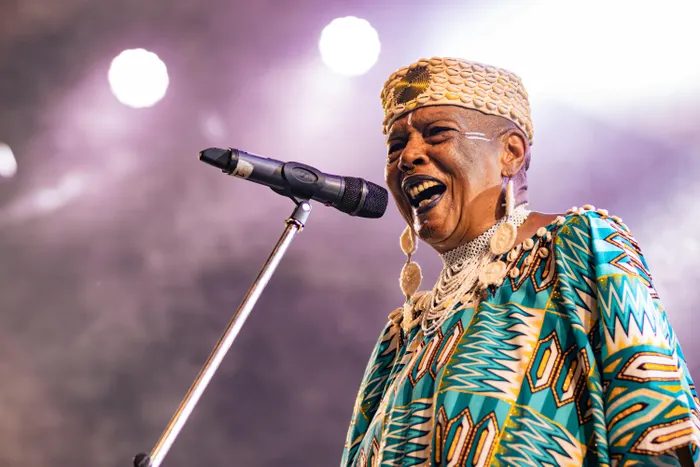
Sauti za Busara 2026 has officially drawn to a close after four days of live performance, industry dialogue and cultural exchange that reaffirmed Zanzibar’s standing as one of Africa’s most distinctive music destinations, attracting thousands of visitors from across the continent and beyond while delivering a measurable boost to the island’s tourism economy.
Held in the historic heart of Stone Town, the festival once again transformed public spaces into stages and gathering points for artists, producers, cultural entrepreneurs and fans. Hotels operated at high occupancy, restaurants extended trading hours and taxis, tour operators and craft vendors reported brisk business throughout the weekend. For many local enterprises, Busara is not simply a cultural event but a critical economic moment in the calendar.
The 2026 edition featured a wide ranging line up that brought together established legends and emerging voices from East, West and Southern Africa. From traditional ensembles to contemporary urban acts, the programming reflected Busara’s long standing commitment to presenting African music in its full diversity. Performances were entirely live, a defining principle of the festival that continues to distinguish it in an era dominated by digital playback.



Beyond the main stage, the event created space for professional exchange. Industry stakeholders participated in networking sessions and discussions focused on touring, rights management, digital distribution and cross border collaboration. By convening musicians alongside managers, media practitioners and promoters, Busara maintained its role as a meeting point for Africa’s creative economy rather than a purely entertainment driven spectacle.
One of the most poignant moments of the festival came in the wake of the confirmed absence of Malian music icon Salif Keita, who withdrew due to health reasons. The news was met with disappointment from fans who had anticipated his appearance. Yet the atmosphere shifted quickly from frustration to solidarity. Several artists offered tributes on stage, celebrating his enduring influence on African music. The gesture resonated deeply with audiences and became one of the defining memories of the 2026 edition.
Organisers emphasised that the festival’s strength lies in its community. Performers supported one another, audiences remained engaged and volunteers ensured smooth coordination throughout the four days. Security arrangements were visible but unobtrusive, and collaboration between organisers and local authorities contributed to an orderly and welcoming environment for international visitors.
For Zanzibar, the economic dimension of Busara continues to grow in significance. Tourism officials have increasingly positioned the island as a cultural destination in addition to its established reputation for beaches and heritage architecture. Festivals such as Busara extend visitor stays, diversify spending patterns and encourage repeat travel linked to cultural experiences rather than seasonal leisure alone.
Local entrepreneurs echoed this sentiment. Restaurant owners in Stone Town described full reservations each evening, while guesthouse managers reported advance bookings weeks before the festival began. Artisans selling jewellery, textiles and paintings benefited from the steady stream of festivalgoers exploring the narrow streets between performances.
Culturally, the festival has evolved into a form of diplomacy. Artists from countries with limited direct exchange found themselves sharing stages and rehearsal spaces. Audiences encountered sounds and languages beyond their own national borders. In that sense, Busara functions as a living conversation about African identity, one that moves fluidly between tradition and innovation.

As the final notes faded and stages were dismantled, attention turned toward the future. Organisers signalled that planning for the next edition will begin immediately, building on the lessons and momentum of 2026. There is growing recognition that events of this scale require year round coordination, strategic partnerships and sustained investment.
Sauti za Busara’s enduring appeal lies in its balance. It is celebratory yet disciplined, local in setting yet continental in outlook. It places musicianship at the centre while acknowledging the economic realities of the modern creative industry.
In closing another successful chapter, the festival demonstrated once again that music can be more than performance. In Zanzibar, it becomes commerce, collaboration and cultural affirmation woven together under the night sky of Stone Town. As Africa’s creative industries expand their global footprint, Busara remains one of the stages where that story continues to unfold.