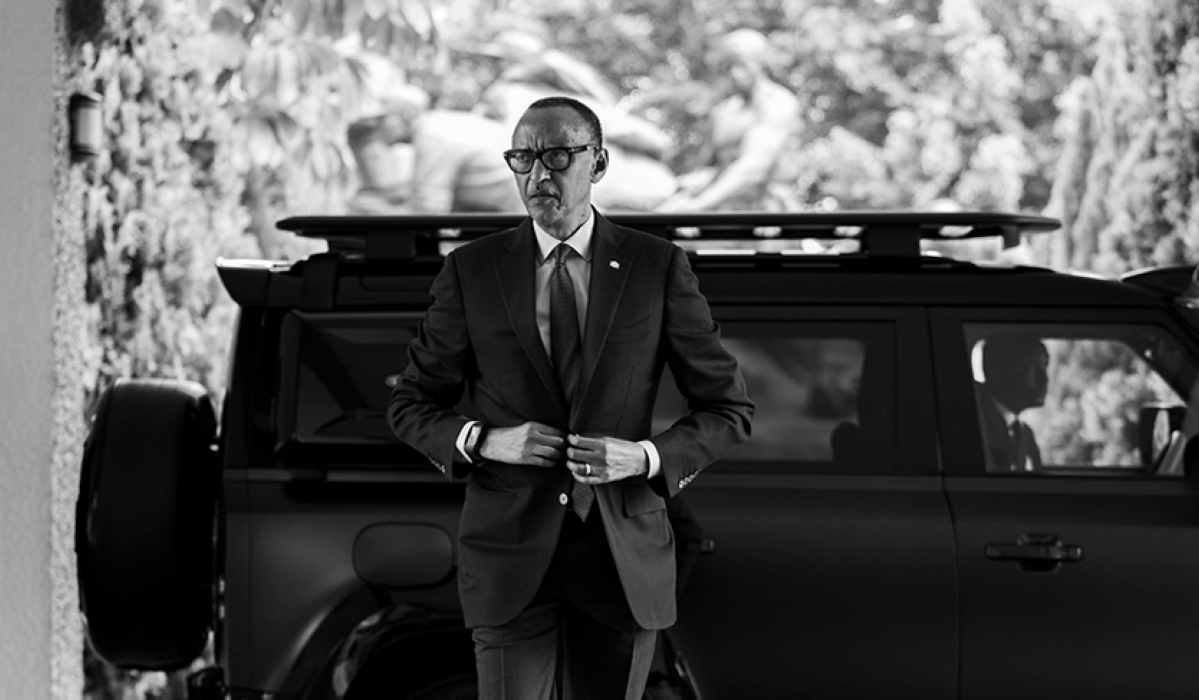
In a significant political development, Rwandan President Paul Kagame has dissolved the country’s parliament in preparation for the forthcoming presidential and parliamentary elections scheduled for July 15. The dissolution took place during an event at the parliamentary chambers in Kigali, the capital city, where President Kagame expressed his gratitude to the outgoing lawmakers for their dedicated service.
According to Rwanda’s Constitution, the president is mandated to dissolve parliament at least 30 days, but not more than 60 days, before the conclusion of the parliamentary term. The current legislature, inaugurated in 2018 for a five-year term, was set to complete its mandate in 2023. However, a constitutional amendment extended its term to align the parliamentary and presidential elections, allowing them to occur concurrently.
In his address, President Kagame commended the legislators for their contributions to the nation’s progress and urged them to continue serving the country in various capacities. “Your efforts have been instrumental in shaping the legislative framework that supports our development agenda,” Kagame remarked.




The upcoming elections are poised to be a pivotal moment for Rwanda, a country that has seen significant economic growth and stability under Kagame’s leadership. The synchronisation of the presidential and parliamentary elections is expected to streamline the electoral process and ensure greater coherence in governance.
As Rwandans prepare to head to the polls, the international community is closely watching the developments. The elections will be a test of Rwanda’s democratic processes and an opportunity for citizens to voice their aspirations for the country’s future leadership.

The dissolution of parliament marks the beginning of an intense election period, with political parties and candidates ramping up their campaigns. The outcome of the elections will shape the trajectory of Rwanda’s governance and its socio-economic landscape in the years to come.