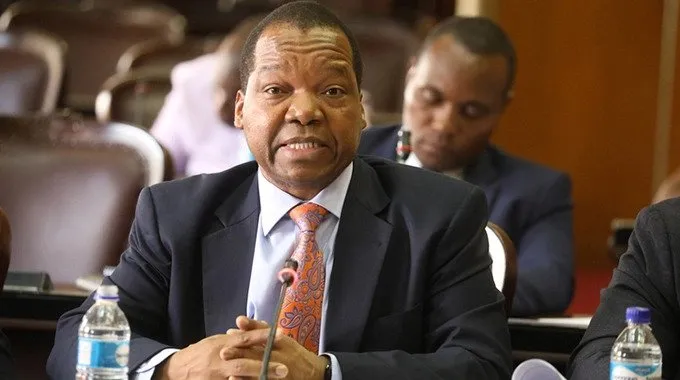
In a bid to combat inflation and restore stability to the local currency, the Reserve Bank of Zimbabwe (RBZ) has introduced a series of monetary measures. RBZ Governor John Mangudya unveiled these new policies on Tuesday, with their implementation set to commence today (07/05/2023).
One of the key measures involves raising policy interest rates, aimed at tightening monetary conditions and reducing excessive liquidity in the economy. By increasing interest rates, the RBZ aims to discourage borrowing and encourage saving, which can help control inflationary pressures.
The RBZ has raised its policy interest rate from 140 percent to 150 percent per annum, aiming to tighten monetary policy and rein in inflationary pressures. Additionally, the medium-term bank accommodation interest rate has been increased from 70 percent to 75 percent per annum. These moves demonstrate the central bank’s commitment to maintaining exchange rate and inflation stability.



To ensure the inter-bank foreign currency market remains the primary source of foreign currency in the economy, the RBZ will sell foreign currency at market-determined exchange rates through banks. This change eliminates the previous requirement of a 90-day liquidation period on export proceeds. By allowing the interbank forex market to be self-financing, the RBZ aims to enhance liquidity and promote price discovery.

Furthermore, the RBZ will merge the main foreign exchange auction system with the system catering to small and medium enterprises. Under the new policy, the weekly limit for foreign currency payments will be set at $5 million, down from the previous cap of around $50 million. This adjustment is part of a broader effort to stabilise the local currency, as recently implemented by Finance Minister Mthuli Ncube.
The RBZ’s latest measures align with the government’s fiscal actions to address exchange rate volatility and price fluctuations. By implementing tighter monetary policies and working in tandem with fiscal measures, the central bank aims to restore and sustain exchange rate stability while curbing inflation.
Zimbabwe currently faces the challenges of resurging inflation and exchange rate instability. In May, month-on-month inflation reached 15.7 percent, a significant increase from April’s rate of 2.4 percent. These developments underscore the urgency for decisive actions to stabilize the economy and restore confidence.