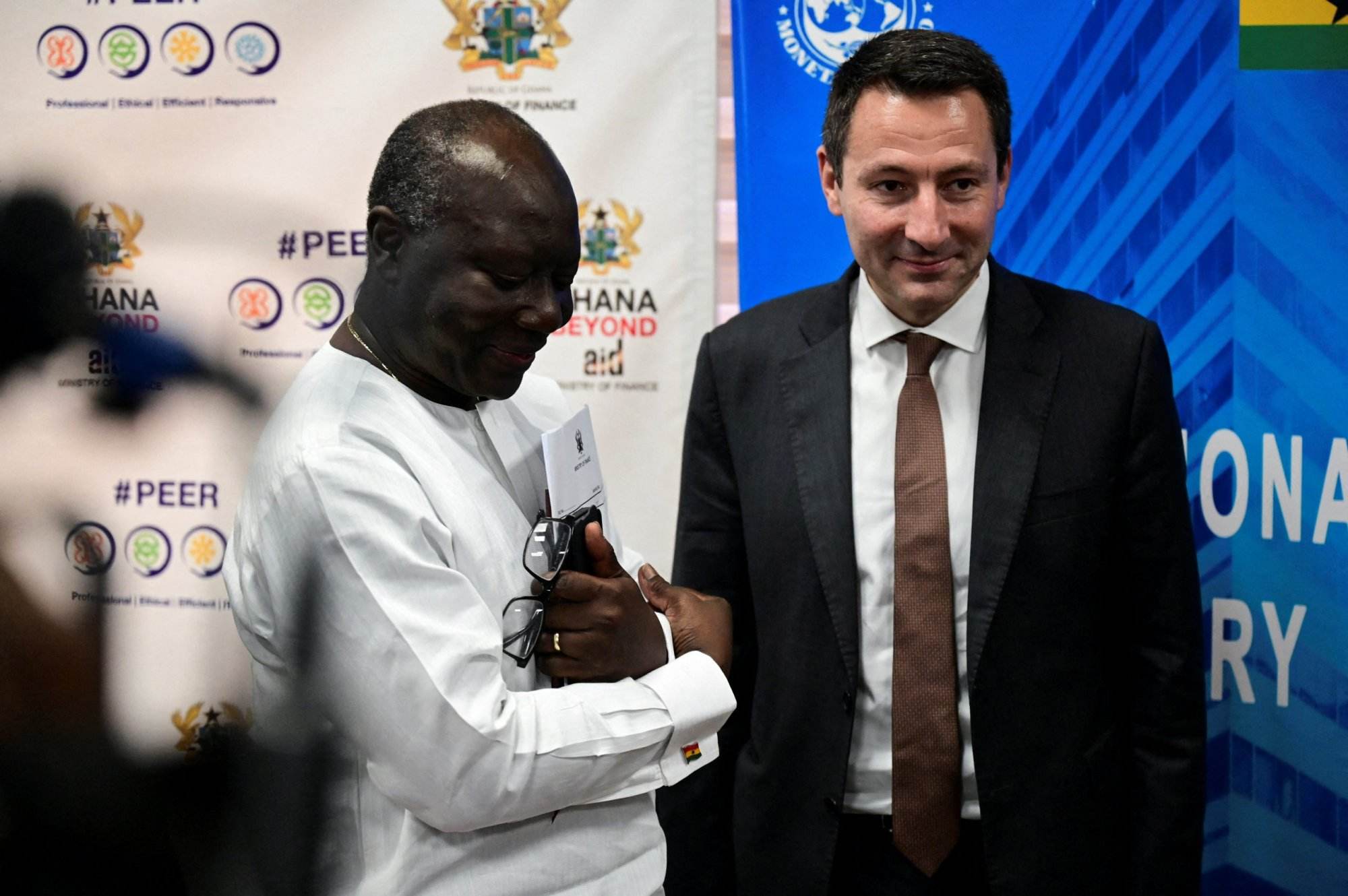
The World Bank has allocated $150 million in funding to bolster Ghana’s poverty alleviation endeavors, according to a recent announcement from the World Bank’s Ghana office. This financial assistance comes at a crucial time for the West African nation as it grapples with fiscal distress and seeks to meet its pro-poor commitments outlined in a three-year program with the International Monetary Fund (IMF).
The World Bank’s support will primarily focus on social spending, aiming to address the socio-economic challenges faced by Ghana and help improve the living conditions of its most vulnerable populations. By injecting funds into Ghana’s poverty reduction initiatives, the World Bank aims to create sustainable and long-lasting impacts on the lives of Ghanaians.
A notable beneficiary of this funding is the Ghana School Feeding Program, a vital initiative that aims to provide nutritious meals to children attending public kindergartens and primary schools across the country. The program’s reach is set to expand significantly, with an estimated 3.6 million children benefiting from this additional support. By ensuring that these children receive regular meals, the program not only improves their nutrition but also enhances their educational outcomes, as proper nourishment is crucial for cognitive development and academic success.



Pierre Laporte, the World Bank’s country director for Ghana, Liberia, and Sierra Leone, expressed his satisfaction with the institution’s decision to provide further financing amidst the macroeconomic challenges faced by Ghana. Laporte emphasized the World Bank’s commitment to supporting Ghana’s poverty alleviation efforts, recognizing the importance of continued investment in the country’s social programs.

With the infusion of these funds, Ghana can alleviate some of the fiscal pressures it currently faces and make substantial progress towards reducing poverty. By channeling resources towards poverty reduction and social welfare programs, Ghana aims to create a more inclusive society, uplift the lives of its citizens, and promote sustainable development throughout the country.
The World Bank’s support serves as a testament to the institution’s dedication to fostering positive change and aiding countries in their pursuit of equitable growth. As Ghana leverages this funding, it is expected to strengthen its social safety nets, improve access to essential services, and create opportunities for its people, ultimately paving the way for a brighter future.