Wednesday, May 13, 2026
  • Login
The Southern African Times
  • Home
  • Southern Africa
  • Business
    • African Start ups
    • African Continental Free Trade Area
  • Technology
    • Lifestyle
      • Health
      • Culture
      • Food and Drink
      • Entertainment
  • Opinion
  • Sports
  • SAT Jobs
    • Events
  • About Us
    • Advertise with Us
    • Contact Us
No Result
View All Result
  • Home
  • Southern Africa
  • Business
    • African Start ups
    • African Continental Free Trade Area
  • Technology
    • Lifestyle
      • Health
      • Culture
      • Food and Drink
      • Entertainment
  • Opinion
  • Sports
  • SAT Jobs
    • Events
  • About Us
    • Advertise with Us
    • Contact Us
No Result
View All Result
The Southern African Times
No Result
View All Result
Home Finance

Africa Urged to Close Insurance Gap as Leaders Call for Stronger Financial Resilience

by SAT Reporter
May 6, 2026
in Finance
0
Africa Urged to Close Insurance Gap as Leaders Call for Stronger Financial Resilience

African policymakers, regulators and insurance industry leaders have renewed calls for deeper investment in insurance and risk financing systems amid concerns that millions of people and businesses across the continent remain vulnerable to economic and climate related shocks.

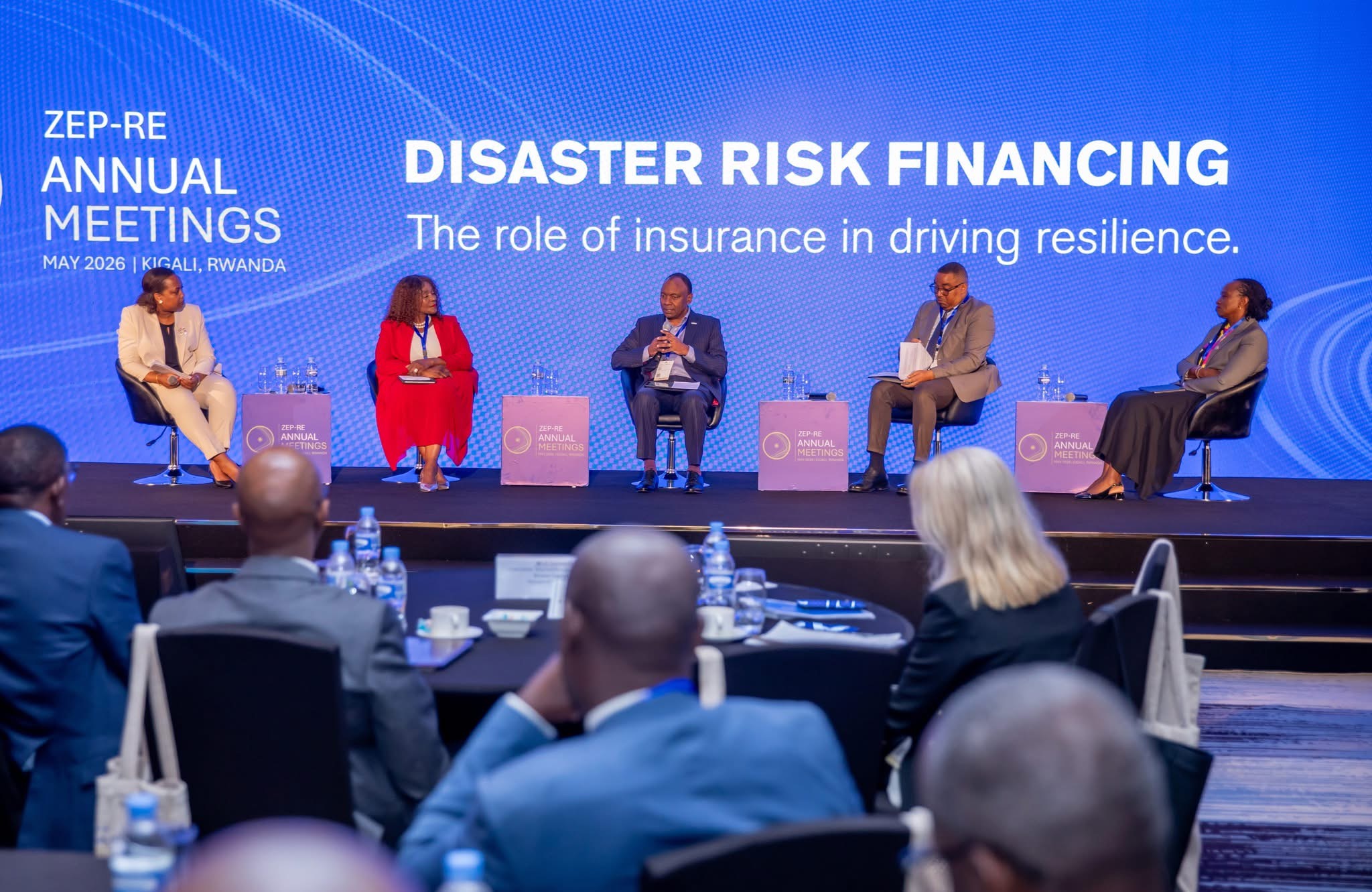
Discussions at the 2026 annual meetings of ZEP RE (PTA Reinsurance Company) in Kigali, Rwanda, focused on the widening insurance protection gap in Africa and the implications this poses for fiscal stability, economic resilience and sustainable development. The meetings were convened in partnership with the Government of Rwanda and brought together senior officials, regulators, development partners and private sector representatives from across the continent.

According to figures presented during the meeting, insurance penetration in Africa remains significantly below global averages. Speakers noted that insurance coverage across the continent stands at approximately 2.7 per cent of gross domestic product, compared with a global average estimated at around 7 per cent. Industry analysts have long argued that low insurance uptake leaves households, businesses and governments exposed to financial shocks linked to natural disasters, public health emergencies, infrastructure losses and economic disruptions.


ADVERTISEMENT

Rwanda’s Minister of Finance and Economic Planning, Yusuf Murangwa, said the limited reach of insurance services continues to leave many African communities financially vulnerable during periods of crisis.

“Africa is underinsured. That gap represents hundreds of millions of people who, when disaster strikes, have little protection against financial hardship,” he said during the meeting, according to a statement released by Rwanda’s Ministry of Finance and Economic Planning.
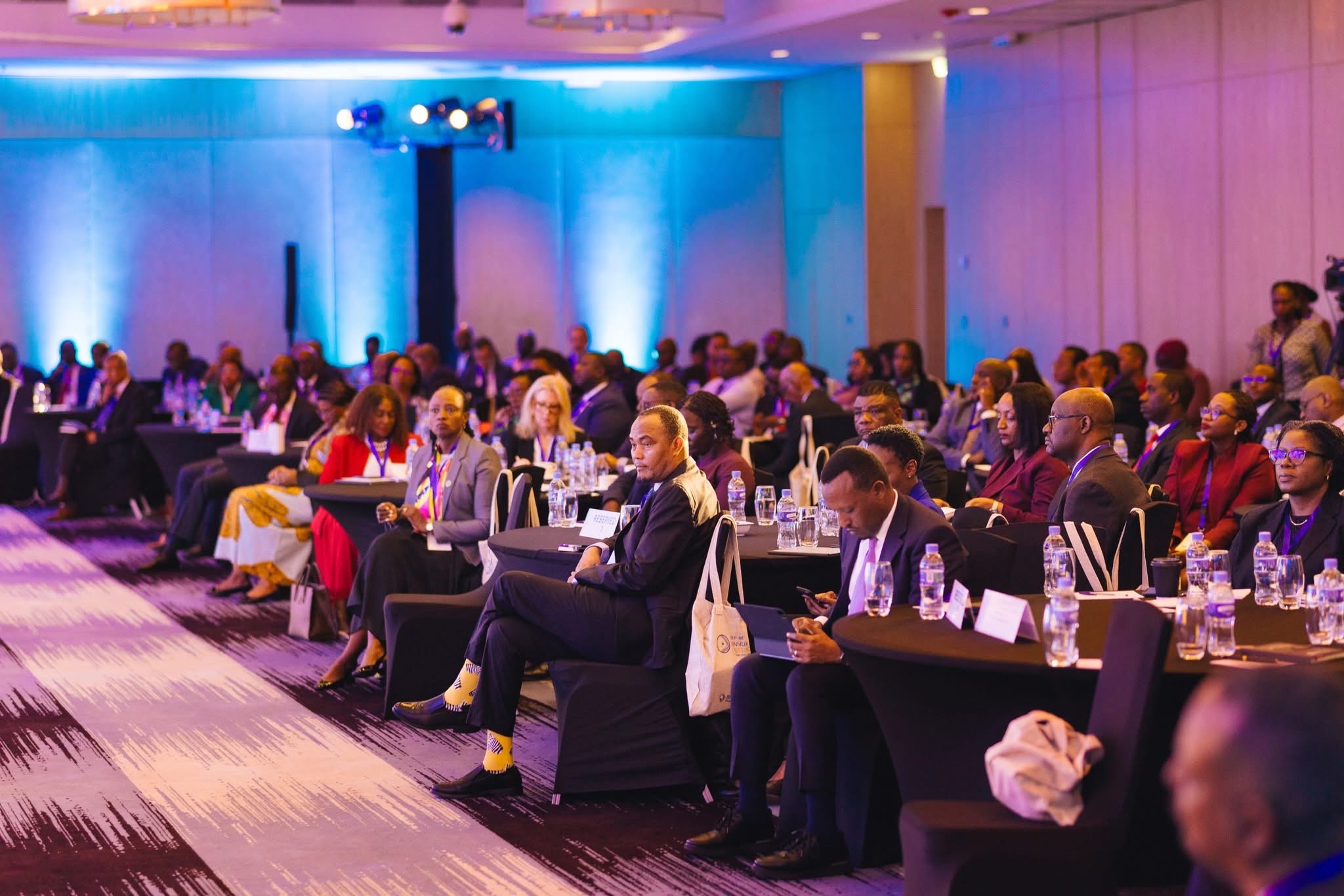
Murangwa added that governments across the continent have a role to play in creating regulatory frameworks that support innovation, improve market confidence and advance financial inclusion. He also noted that expanding access to insurance products would require stronger collaboration between governments, insurers and reinsurers.

The discussions reflected broader concerns about the increasing frequency of climate related disasters and the pressure these events place on public finances. Across several African countries, post disaster recovery efforts are often financed through emergency borrowing or budget reallocations, placing strain on already constrained fiscal resources.

Hope Murera, Managing Director and Group Chief Executive Officer of ZEP RE, said insurance mechanisms could play a more substantial role in reducing the long term economic impact of disasters.

“When disasters occur, recovery is too often financed through debt, placing additional strain on already constrained fiscal space. Insurance has a critical role to play in absorbing shocks and enabling faster, more sustainable recovery,” she said.

Participants at the Kigali meeting also discussed the need for more inclusive insurance models capable of reaching informal economies, smallholder farmers and low income households, sectors that remain central to many African economies yet are often excluded from conventional insurance markets.

Simon Chikumbu, Vice Chairperson of the Board of Directors at ZEP RE, said regional cooperation would be necessary to strengthen resilience and expand access to risk protection mechanisms.

“Africa remains significantly underinsured, and addressing this requires deliberate collaboration across governments, regulators and industry,” he said.

The Governor of the National Bank of Rwanda, Soraya Hakuziyaremye, argued that insurance should increasingly be viewed as part of broader economic planning rather than solely as a specialised financial product. She noted that a significant proportion of catastrophe related losses across Africa remain uninsured, leaving recovery costs to be absorbed by individuals, businesses and governments.

Analysts attending the forum also pointed to uneven insurance development across the continent. While countries such as South Africa have relatively mature insurance markets, penetration rates in many other African states remain low due to limited public awareness, affordability challenges and gaps in distribution infrastructure. Expanding digital financial services and mobile based insurance platforms was identified as one possible avenue for improving access.

Established in 1990 under the former Preferential Trade Area framework, the precursor to the Common Market for Eastern and Southern Africa (COMESA), ZEP RE was created to support the development of insurance and reinsurance industries across eastern and southern Africa. The institution continues to play a role in regional capacity building and risk management initiatives.

As African economies confront growing exposure to climate volatility, infrastructure risks and global economic uncertainty, participants at the Kigali meetings indicated that strengthening insurance ecosystems could become an increasingly important component of the continent’s long term development and resilience strategies.


Tags: Africa insuranceAfrican developmentAfrican economiesclimate riskCOMESAdisaster risk financingeconomic resiliencefinancial resiliencefiscal stabilityinclusive financeinsurance penetrationKigaliReinsuranceRwandaZEP RE
Previous Post

Rio Tinto and Angola’s Endiama Launch Joint Venture to Advance Chiri Diamond Project

Next Post

Vendors in Johannesburg Call for Renewed Action Amid Rising Afrophobia Concerns

SAT Reporter

Related Posts

Fitch Upgrades Ghana’s Sovereign Rating Following Fiscal Reforms
Finance

Fitch Upgrades Ghana’s Sovereign Rating Following Fiscal Reforms

by SAT Reporter
May 11, 2026
IMF Warns Africa’s Economic Gains Remain Vulnerable Amid Global Uncertainty
Finance

IMF Warns Africa’s Economic Gains Remain Vulnerable Amid Global Uncertainty

by SAT Reporter
May 8, 2026
Mozambique’s Debt Crisis Deepens as Economic and Climate Pressures Grow
Finance

Mozambique’s Debt Crisis Deepens as Economic and Climate Pressures Grow

by SAT Reporter
May 7, 2026
Zambia Seeks Parliamentary Approval for 1.4 Billion US Dollar Supplementary Budget
Finance

Zambia Seeks Parliamentary Approval for 1.4 Billion US Dollar Supplementary Budget

by SAT Reporter
May 1, 2026
IFC and Standard Chartered Introduce 300 Million Dollar Trade Finance Facility
Finance

IFC and Standard Chartered Introduce 300 Million Dollar Trade Finance Facility

by SAT Reporter
April 30, 2026
Next Post
Vendors in Johannesburg Call for Renewed Action Amid Rising Afrophobia Concerns

Vendors in Johannesburg Call for Renewed Action Amid Rising Afrophobia Concerns

Browse by Category

  • Africa AI
  • African Continental Free Trade Area
  • African Debt
  • African Start ups
  • Agriculture
  • AI Africa
  • Algeria
  • All News
  • Analysis
  • Angola
  • Arts / Culture
  • Asia
  • Botswana
  • BOTSWANA
  • BREAKING NEWS
  • BRICS
  • Burkina Faso
  • Burundi
  • Business
  • Business
  • Business Wire
  • Cameroon
  • Central Africa
  • Chad
  • China
  • Climate Change
  • Climate Changev
  • Community
  • Congo Republic
  • Conservation
  • Côte d’Ivoire
  • COVID 19
  • CRYPTOCURRENCY
  • Culture
  • Democratic Republic of Congo
  • Diplomacy
  • Eastern Africa
  • Economic Development
  • Economy
  • Education
  • Egypt
  • Elections 2024
  • Energy
  • Entertainment
  • Environment
  • Eritrea
  • Ethiopia
  • Europe
  • Fashion
  • Feature
  • Finance
  • Financial Inclusion
  • Food
  • Food and Drink
  • Foods
  • GABON
  • Ghana
  • Global
  • Global Africa
  • Guinea
  • Health
  • Immigration
  • in Southern Africa
  • International news
  • International Relations
  • Investment
  • Ivory Coast
  • Just In
  • Kenya
  • Lesotho
  • Libya
  • Life Style
  • Lifestyle
  • Literature
  • Malawi
  • Malawi
  • Mali
  • Markets
  • Mauritius
  • Middle East
  • Mining in Africa
  • Morocco
  • Mozambique
  • Namibia
  • Niger
  • niger
  • Nigeria
  • North Africa
  • North-Eastern Africa
  • Obituaries
  • Obituary
  • Opinion
  • PARTNER CONTENT
  • Politics
  • Property
  • Racism
  • Rwanda
  • Rwanda
  • SADC
  • SAT Interviews
  • SAT Investigation
  • SAT Jobs
  • Saudi Arabia
  • Senegal
  • Seychelles
  • Somaliland
  • South Africa
  • South Sudan
  • Sports
  • Startup Africa
  • STOCK EXCHANGE
  • Sudan
  • Sustainability
  • Sustainablity
  • Tanzania
  • Technology
  • Telecommunications
  • The Editorial Board
  • The Power Of She
  • Togo
  • Trade
  • Travel
  • Travel
  • Tunisia
  • Uganda
  • Uncategorized
  • Wealth
  • West Africa
  • World
  • World
  • ZAMBIA
  • Zambia
  • ZIMBABWE
  • Zimbabwe

Browse by Tags

#NewsUpdate #SouthAfrica #SouthernAfricanTimes #TheSouthernAfricanTimes AfCFTA africa African Continental Free Trade Area African development African Development Bank African economies African economy African Union Agriculture Angola Botswana Business China Climate change Cyril Ramaphosa Economic Development economic growth energy transition fiscal policy industrialisation Inflation Infrastructure Infrastructure Development International relations Investment Kenya Mozambique Namibia news Nigeria Regional Integration renewable energy Rwanda SADC South Africa Southern Africa sustainable development Tanzania United States Zambia Zimbabwe
ADVERTISEMENT

WHO WE ARE

The Southern African Times is a regional bloc digital newspaper that covers Southern African and world news. The paper also gives a nuanced analysis on news and covers a wide range of reporting which include sports, entertainment, foreign affairs, arts and culture.

Welcome Back!

Login to your account below

Forgotten Password?

Retrieve your password

Please enter your username or email address to reset your password.

Log In

  • Home
  • Southern Africa
  • Business
    • African Start ups
    • African Continental Free Trade Area
  • Technology
    • Lifestyle
      • Health
      • Culture
      • Food and Drink
      • Entertainment
  • Opinion
  • Sports
  • SAT Jobs
    • Events
  • About Us
    • Advertise with Us
    • Contact Us
Are you sure want to unlock this post?
Unlock left : 0
Are you sure want to cancel subscription?