Tuesday, July 7, 2026
  • Login
The Southern African Times
  • Home
  • Southern Africa
  • Business
    • African Start ups
    • African Continental Free Trade Area
  • Technology
    • Lifestyle
      • Health
      • Culture
      • Food and Drink
      • Entertainment
  • Opinion
  • Sports
  • SAT Jobs
    • Events
  • About Us
    • Advertise with Us
    • Contact Us
No Result
View All Result
  • Home
  • Southern Africa
  • Business
    • African Start ups
    • African Continental Free Trade Area
  • Technology
    • Lifestyle
      • Health
      • Culture
      • Food and Drink
      • Entertainment
  • Opinion
  • Sports
  • SAT Jobs
    • Events
  • About Us
    • Advertise with Us
    • Contact Us
No Result
View All Result
The Southern African Times
No Result
View All Result
Home Opinion

Reducing industrial pollution in the Niger River Basin

by SAT Reporter
October 13, 2021
in Opinion
0
Reducing industrial pollution in the Niger River Basin

The Niger River is the third-longest river in Africa, running for 4,180 km (2,600 miles) from its source in south-eastern Guinea, through Mali, Niger and Nigeria, before discharging via the Niger Delta into the Gulf of Guinea in the Atlantic Ocean. Tributaries that run through a further five countries feed into the mighty Niger.

Hundreds of millions of people in West Africa depend on the river and its tributaries, for drinking water, for fish to eat, for irrigation to grow crops, for use in productive processes, and for hydroelectric power.

The health of the Niger River Basin is vitally important for the people and for the environment of West Africa. But this health is endangered by land degradation, pollution, loss of biodiversity, invading aquatic vegetal species and climate change.


ADVERTISEMENT

To both assess and address these environmental issues, a Global Environment Facility (GEF)-funded project has brought together international, regional and national entities to work on integrated water resources management for the benefit of communities and the resilience of ecosystems.

One part of the early project research found that as the Niger River passes through Tembakounda, Bamako, Gao, Niamey, Lokoja and Onithsa – major trading, agro-processing and industrial cities – wastewater and other polluting substances are discharged directly into the river, often without environmental consideration. National governments of the countries which the river runs through are either unable to deal with the accumulated environmental problems and/or are ineffective at preventing, regulating, reducing and managing pollution from industrial activities.

For this reason, one component of the GEF project, implemented by the United Nations Industrial Development Organization (UNIDO), will facilitate the Transfer of Environmentally Sound Technology (TEST) to reduce wastewater discharges and pollution loads into the Niger River.

Despite the limitations on travel resulting from measures to halt the spread of the coronavirus, in August this year, UNIDO successfully identified and engaged with at least one industrial enterprise operating in ‘pollution hotspots’ in each of the countries of the Niger River Basin.

UNIDO experts are now introducing and sharing the Transfer of Environmentally Sound Technology (TEST) methodology with the pilot enterprises. In essence, this will mean the application of a set of tools including Resource Efficient and Cleaner Production, Environmental Management Systems, Environmental Management Accounting, and the Transfer of Environmental Sustainable Technology, which will lead to the adoption of best practices, new skills and a new management culture.

The result will be that the enterprises will be able to reduce product costs and increase productivity, while reducing the adverse environmental consequences of their operations. An awareness-raising campaign will be carried out so that the demonstration effect resonates across the Niger River Basin, prompting other enterprises to follow suit.

For more information, contact:

Christian Susan, UNIDO Industrial Development Officer

Previous Post

Caledonia reports 25% gold production increase in Zimbabwe in third quarter

Next Post

Libyan Economy Minister Prohibits Companies from Importing Medicine

SAT Reporter

Related Posts

Gaborone’s Quiet Ascent: Why Botswana Deserves a Second Look from Global Capital
Opinion

Gaborone’s Quiet Ascent: Why Botswana Deserves a Second Look from Global Capital

by SAT Reporter
July 7, 2026
It is Time for Pretoria to Own Its Migration Failure, Not Blame the Migrant
Opinion

It is Time for Pretoria to Own Its Migration Failure, Not Blame the Migrant

by Times Reporter
July 6, 2026
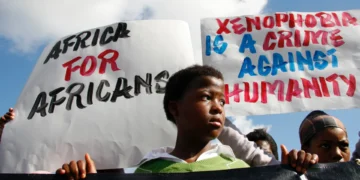
The Algorithm Didn’t Create Xenophobia. It Made It Impossible to Ignore
Opinion

The Algorithm Didn’t Create Xenophobia. It Made It Impossible to Ignore

by Kundai Vambe
July 4, 2026
LONG READ | The Oldest Alibi: South Africa’s Xenophobia and the Economic Ruin It Presages
Opinion

LONG READ | The Oldest Alibi: South Africa’s Xenophobia and the Economic Ruin It Presages

by Times Reporter
June 30, 2026
President Cyril Ramaphosa’s Opinion: How South Africa’s Natural Splendour Can Drive Inclusive Growth
Opinion

Op-Ed by President Ramaphosa | Protest Is Both a Right and a Responsibility

by Times Reporter
June 29, 2026
Next Post
Libyan Economy Minister Prohibits Companies from Importing Medicine

Libyan Economy Minister Prohibits Companies from Importing Medicine

Browse by Category

  • Africa AI
  • African Continental Free Trade Area
  • African Debt
  • African Start ups
  • Agriculture
  • AI Africa
  • Algeria
  • All News
  • Analysis
  • Angola
  • Arts / Culture
  • Asia
  • Botswana
  • BOTSWANA
  • BREAKING NEWS
  • BRICS
  • Burkina Faso
  • Burundi
  • Business
  • Business
  • Business Wire
  • Cameroon
  • Central Africa
  • Chad
  • China
  • Climate Change
  • Climate Changev
  • Community
  • Congo Republic
  • Conservation
  • Côte d’Ivoire
  • COVID 19
  • CRYPTOCURRENCY
  • Culture
  • Democratic Republic of Congo
  • Diplomacy
  • Eastern Africa
  • Economic Development
  • Economy
  • Education
  • Egypt
  • Elections 2024
  • Energy
  • Entertainment
  • Environment
  • Eritrea
  • Ethiopia
  • Europe
  • Fashion
  • Feature
  • Finance
  • Financial Inclusion
  • Food
  • Food and Drink
  • Foods
  • GABON
  • Ghana
  • Global
  • Global Africa
  • Guinea
  • Health
  • Humanitarian Aid
  • Immigration
  • in Southern Africa
  • International news
  • International Relations
  • Investment
  • Ivory Coast
  • Just In
  • Kenya
  • Lesotho
  • Libya
  • Life Style
  • Lifestyle
  • Literature
  • Malawi
  • Malawi
  • Mali
  • Markets
  • Mauritius
  • Middle East
  • Mining in Africa
  • Morocco
  • Mozambique
  • Namibia
  • Niger
  • niger
  • Nigeria
  • North Africa
  • North-Eastern Africa
  • Obituaries
  • Obituary
  • Opinion
  • PARTNER CONTENT
  • Politics
  • Property
  • Racism
  • Rwanda
  • Rwanda
  • SADC
  • SAT Interviews
  • SAT Investigation
  • SAT Jobs
  • Saudi Arabia
  • Senegal
  • Seychelles
  • Somaliland
  • South Africa
  • South Sudan
  • Sports
  • Startup Africa
  • STOCK EXCHANGE
  • Sudan
  • Sustainability
  • Sustainablity
  • Tanzania
  • Technology
  • Telecommunications
  • The Editorial Board
  • The Power Of She
  • Togo
  • Trade
  • Travel
  • Travel
  • Tunisia
  • Uganda
  • Uncategorized
  • Wealth
  • West Africa
  • World
  • World
  • ZAMBIA
  • Zambia
  • ZIMBABWE
  • Zimbabwe

Browse by Tags

#NewsUpdate #SouthAfrica #SouthernAfricanTimes #TheSouthernAfricanTimes AfCFTA africa African Continental Free Trade Area African development African Development Bank African economies African economy African Union Agriculture Angola Botswana China Climate change Cyril Ramaphosa Economic Development economic growth energy transition Ghana governance industrialisation Inflation Infrastructure Infrastructure Development International relations Investment Kenya Mozambique Namibia news Nigeria Regional Integration renewable energy Rwanda SADC South Africa Southern Africa sustainable development Tanzania United States Zambia Zimbabwe
ADVERTISEMENT

WHO WE ARE

The Southern African Times is a regional bloc digital newspaper that covers Southern African and world news. The paper also gives a nuanced analysis on news and covers a wide range of reporting which include sports, entertainment, foreign affairs, arts and culture.

Welcome Back!

Login to your account below

Forgotten Password?

Retrieve your password

Please enter your username or email address to reset your password.

Log In
  • Home
  • Southern Africa
  • Business
    • African Start ups
    • African Continental Free Trade Area
  • Technology
    • Lifestyle
      • Health
      • Culture
      • Food and Drink
      • Entertainment
  • Opinion
  • Sports
  • SAT Jobs
    • Events
  • About Us
    • Advertise with Us
    • Contact Us
Not enough quota to unlock this post
Unlock left : 0
Are you sure want to cancel subscription?