Rand Water Services Pty Ltd, Africa’s largest bulk-water supplier, has written off R382.3 million (£20 million) in the financial year ending June, due to non-payment by South African municipalities. This impairment reflects a 12% increase in net debt, bringing the total owed by these municipalities to R4.4 billion. Emfuleni, known for hosting the nation’s largest steelmaking operations, accounts for approximately 25% of this outstanding amount.
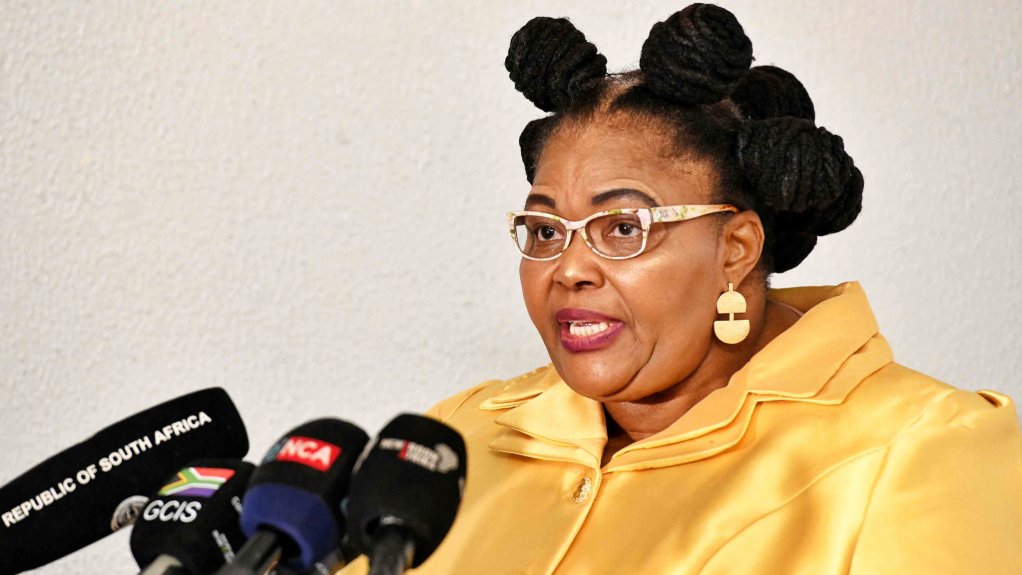
Water Minister Pemmy Majodina expressed concern, stating that non-payment by local municipalities “poses a threat to the sustainability of water boards.” She is collaborating with the ministers of finance and cooperative governance to address the issue. In a bid to enforce payment for essential services, the National Treasury announced plans to withhold funds from five councils in December over unpaid water bills; among them are Merafong and Victor Khanye, both serviced by Rand Water.
South Africa is contending with a deepening water crisis, largely attributed to decades of underinvestment and inadequate maintenance by municipal authorities. In October, Rand Water cautioned that Gauteng province—which encompasses Johannesburg and Pretoria—could face water shortages unless consumption was immediately reduced. The South African Reserve Bank has also highlighted that the deterioration of energy, transport, and water infrastructure under municipal management poses a significant risk to the nation’s financial system.




Serving approximately 18 million people through 17 municipalities and numerous industrial clients across four provinces, Rand Water is exploring alternative energy sources to lessen its dependence on Eskom, the state-owned power utility. This initiative follows a 19% surge in power costs, prompting the company to consider renewable energy options such as solar and hydropower.
Municipal debts are not confined to water services; as of November, municipalities nationwide owed Eskom R95.4 billion, marking a 28% increase since March. Energy Minister Kgosientsho Ramokgopa recently described this escalating debt as an “existential problem,” underscoring the critical need for financial discipline to ensure the sustainability of essential service providers.