Zambia’s fertiliser supply has remained stable despite disruptions linked to tensions in the Middle East, reflecting a broader shift towards domestic production and regional resilience, Vice President Mutale Nalumango has said.
Addressing parliament, Nalumango stated that Zambia is no longer as vulnerable to external supply shocks as in previous years, when the country relied heavily on imported agricultural inputs, particularly fertiliser sourced from Middle Eastern producers. She noted that while global markets have experienced price volatility and logistical disruptions, Zambia’s increased investment in local manufacturing capacity has cushioned the domestic market.
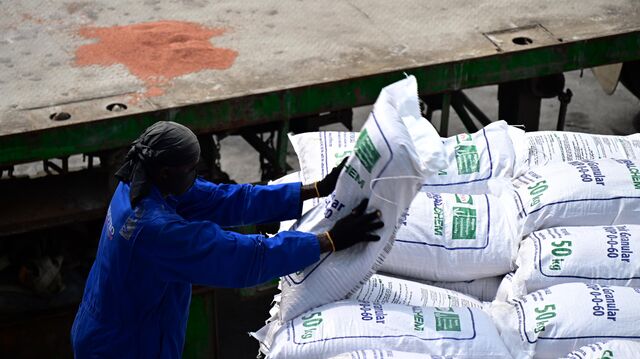
The vice president acknowledged that international conflict continues to exert pressure on supply chains and pricing structures. However, she indicated that Zambia’s fertiliser sector has undergone structural changes, enabling more consistent availability for farmers. This transition has been supported by public and private sector investments in production facilities, including expansion of blending plants and integrated fertiliser manufacturing initiatives across the country. According to regional industry reporting, Zambia has in recent years increased output through facilities such as the Industrial Development Corporation backed projects and private sector operations including Omnia Holdings and the United Capital Fertiliser plant in Lusaka.



Nalumango further stated that the country has reached a level where domestic production not only meets internal demand but also enables exports to neighbouring states. This reflects a wider regional trend in southern Africa, where countries are seeking to reduce dependency on extra continental imports by strengthening intra African value chains. The Southern African Development Community has identified agricultural input manufacturing as a strategic priority for improving food security and economic integration.

At the same time, Zambia continues to navigate exposure in the energy sector. Nalumango confirmed that the government is engaged in discussions with Angola and Nigeria regarding the potential supply of petroleum products. Zambia currently imports a significant share of its fuel requirements, and fluctuations linked to geopolitical tensions have contributed to rising costs.
Efforts to diversify energy sources are part of a broader continental conversation around supply sovereignty and economic resilience. African energy producers such as Nigeria’s National Petroleum Company and Angola’s Sonangol have increasingly positioned themselves as potential partners within regional supply networks. Analysts note that such partnerships could help mitigate exposure to distant geopolitical shocks while reinforcing intra African trade under frameworks such as the African Continental Free Trade Area.

Zambia’s evolving fertiliser sector illustrates how targeted industrial policy and regional cooperation can reshape supply dynamics. While global uncertainties persist, the country’s experience highlights the role of domestic capacity in stabilising essential agricultural inputs and supporting food production systems across southern Africa.