Thursday, July 2, 2026
  • Login
The Southern African Times
  • Home
  • Southern Africa
  • Business
    • African Start ups
    • African Continental Free Trade Area
  • Technology
    • Lifestyle
      • Health
      • Culture
      • Food and Drink
      • Entertainment
  • Opinion
  • Sports
  • SAT Jobs
    • Events
  • About Us
    • Advertise with Us
    • Contact Us
No Result
View All Result
  • Home
  • Southern Africa
  • Business
    • African Start ups
    • African Continental Free Trade Area
  • Technology
    • Lifestyle
      • Health
      • Culture
      • Food and Drink
      • Entertainment
  • Opinion
  • Sports
  • SAT Jobs
    • Events
  • About Us
    • Advertise with Us
    • Contact Us
No Result
View All Result
The Southern African Times
No Result
View All Result
Home Just In

Pompeo isn’t here for Africa’s Best Interests

by SAT Reporter
March 22, 2020
in Just In, Opinion
0
Pompeo isn’t here for Africa’s Best Interests

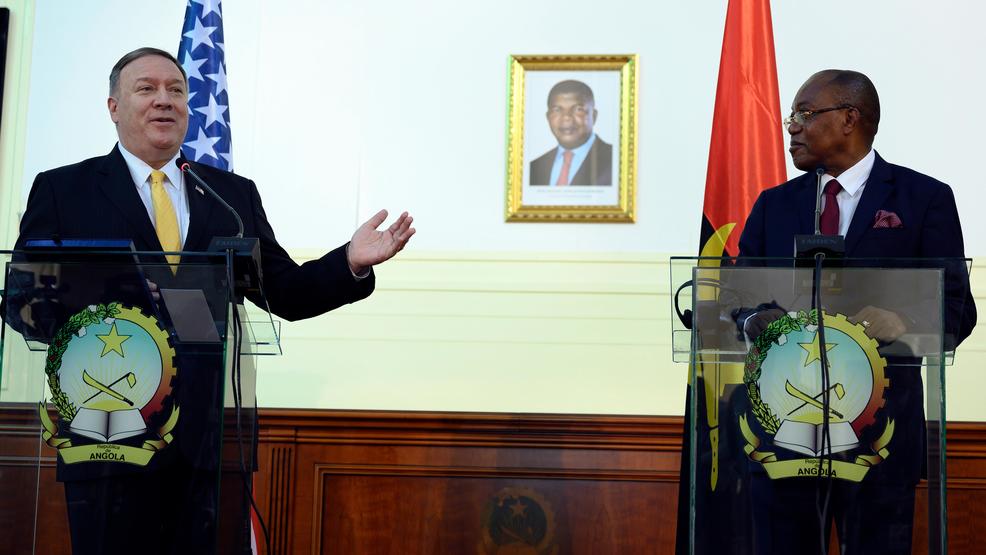
U.S. Secretary of State Mike Pompeo takes part in a joint press conference with Ethiopian Foreign Minister Gedu Andargachew at the Sheraton Hotel, in Addis Ababa, Ethiopia, Tuesday Feb. 18, 2020. America’s top diplomat in his final Africa stop has discussed political reforms with Ethiopia’s Nobel Peace Prize-winning prime minister, and Ethiopia says the U.S. plans to provide “substantial financial support.” (Andrew Caballero-Reynolds/Pool Photo via AP)

Much has been made of U.S Secretary of State Mike Pompeo’s visit to Africa. The former head of the CIA visited Senegal, Ethiopia, and Angola in what was the first visit by America’s top diplomat to the continent since 2018. The message he carried was very much predictable and nonetheless surprising that is “Don’t do business with China, do it with us”.

He accused Beijing of facilitating corruption, undermining the rule of law and engaging in exploitative economics on the continent which was filled with “empty promises”. At the same time, he portrayed the United States in milk and honey terms, saying that his country would only offer jobs, partnership, and solid work ethic to Africa through free markets, a manner which almost presented itself in parody terms.

Of course, nobody is being fooled here. While there is no question that Africans would welcome increased attention and investment from the United States, it is quite obvious that Mike Pompeo’s rhetoric is disingenuous and he didn’t come to the continent in the pursuit of Africa’s best interests, but America’s interests in an open antagonism of China. The so-called virtues of the “free market” which Pompeo preached were in fact primarily responsible for decimating much of Africa in the 1980s, and there is little inclination that a self-titled “America first” government is going to offer much else to the continent.


ADVERTISEMENT

The 1980s was a turning point in global economic history which saw countries around the world embrace Neo-liberalism in the belief that free markets were a quick fix to prosperity. Shaped by individuals such as Margaret Thatcher and Ronald Reagan, countries around the world moved to further open up their markets, roll back protectionism and deregulate their industries. As the influence of the Soviet Union faltered, many countries in the developing world, including the Middle East and Africa, turned to American led Bretton Woods institutions, such as the International Monetary Fund (IMF) for advice on how to handle economic institutions and overcome fiscal crises.

These institutions withheld assistance on a number of political and ideological demands: that these countries immediately transition to free-market policies, end state support and carve up their economies, for it was assumed the answer to all things lay in laissez-faire policies. However, this did not work as intended for the recipient countries in Africa. The dramatic pace of opening up left them exposed to external market currents they could not compete with, depleted domestic industries and disseminated agriculture, which in fact accumulated in economic deterioration in many African nations.

For example, in Zambia, the IMF demanded the country end its support for agricultural subsidy and devalue its currency. The accumulative result of these policies dismantled the socialist economy constructed in the 1960s, produced food shortages and created an economic decline that saw the country’s GDP from 3.9 billion USD in 1982 to 1.6 billion by 1986. The same story held true for other countries as well. Essentially, the American idealisms of the free market, the very ones which Pompeo glorified in his speech, did not benefit Africa.

Ironically, this very background is why China is in the picture, to begin with. By instead focusing on the investment of national infrastructure in Africa and developing local industries, Beijing has gained support on the continent precisely because it has not demanded vast economic and political changes in exchange for its investment, as has been typical of the west. Instead, China has provided many African countries an escape rope from the aftermath of aggressive Neoliberal policies which took the continent backward. When U.S officials warn of “debt traps” and “exploitation”- they repeatedly omit this historical legacy.

Of course, whilst these considerations do not imply that African nations should reject American money being offered to them, what they nevertheless reveal is that it is unwise to take Mike Pompeo’s championing of American economic virtue too seriously, or for that matter as Africa’s “best option” because, in practice, the United States has stranded the continent at the bottom of a global market hierarchy in which it places itself at the top of, offered little for decades, and now suddenly claims that it is acting in their best interests in the pursuit of China.

I don’t think so. The fact that this visit is based upon the premise of America’s total unwillingness to accept the ascendency of Beijing as a global south country outside of U.S terms should ultimately be a warning for Africa as to what lies ahead. Of course, the United States is much welcome to invest, yet Africa’s strength and initiative must stand in its ability to vouch for its own terms and not yet again be caught in the crossfire of great power competition and find itself yet again subordinated.

After all, this is an administration which ultimately preaches the mantle of “America First” it cries crocodile tears for Africa whilst banning Nigerians, Sudanese, Eritreans and Tanzanians from entering their country, it has launched broad trade offensives against any nation or bloc deemed to threaten American industries (which has included China and the European Union amongst the others) and has demanded countries subserviate unilaterally to U.S interests.

Ultimately, Pompeo’s visit was not about what America can do for Africa, it was about what Africa can do for America. The continent’s strength will be found in its ability not to take sides or compromise its national interests at the whim of geopolitical ambitions. The locals will say America is always welcome, but that should be on respect for the decisions of which Africa has taken, including those in conjunction with Beijing.

Tom Fowdy is a British political and international relations analyst and a graduate of Durham and Oxford universities. He writes on topics pertaining to China, the DPRK, Britain, and the U.S.

    Previous Post

    No deal better than a bad deal on climate for Africa

    Next Post

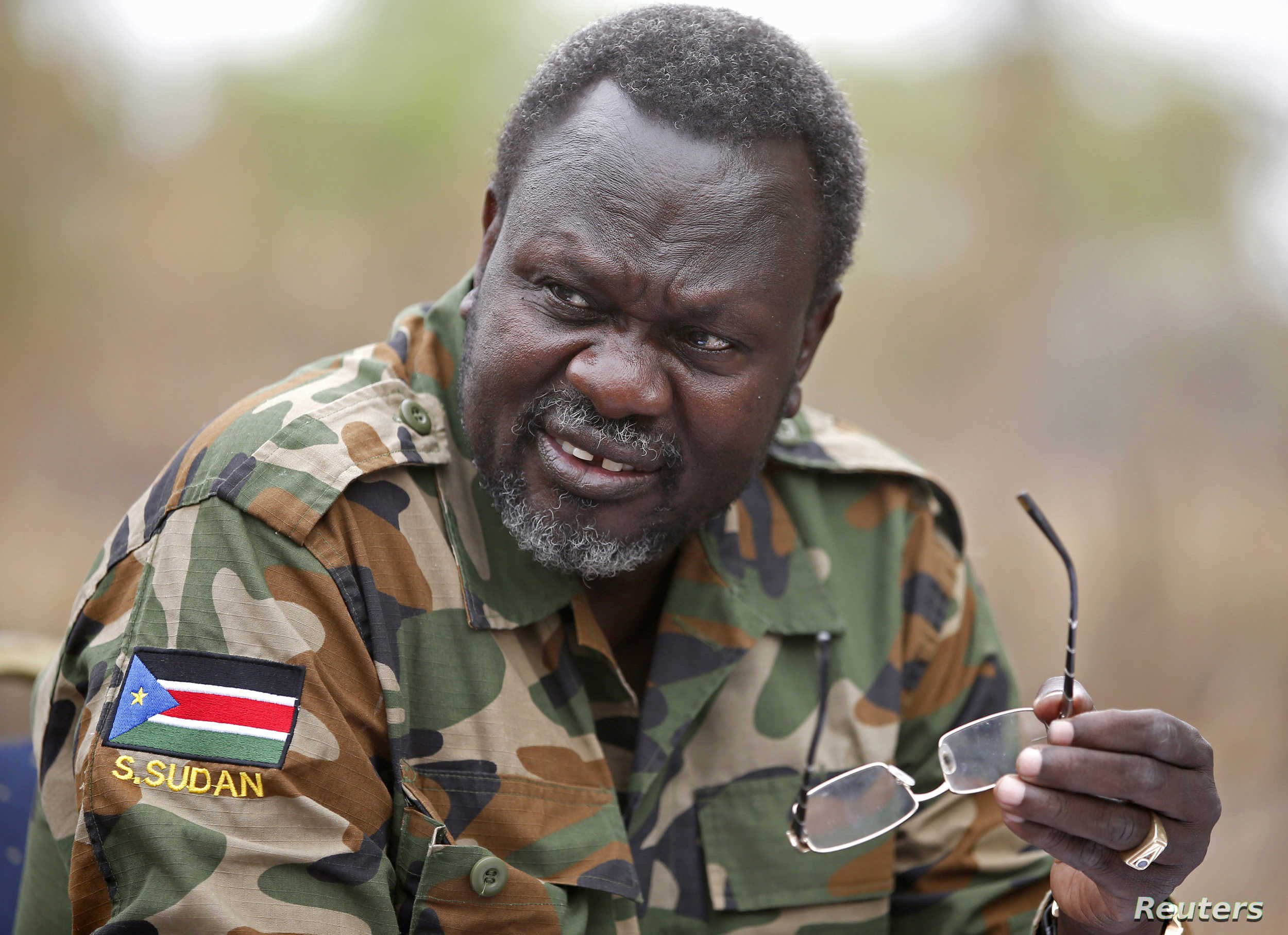
    South Sudan set to swear in former rebel leader as first vice president

    SAT Reporter

    Related Posts

    LONG READ | The Oldest Alibi: South Africa’s Xenophobia and the Economic Ruin It Presages
    Opinion

    LONG READ | The Oldest Alibi: South Africa’s Xenophobia and the Economic Ruin It Presages

    by Times Reporter
    June 30, 2026
    President Cyril Ramaphosa’s Opinion: How South Africa’s Natural Splendour Can Drive Inclusive Growth
    Opinion

    Op-Ed by President Ramaphosa | Protest Is Both a Right and a Responsibility

    by Times Reporter
    June 29, 2026
    The Insurance Hack More Drivers Should Know
    Opinion

    The Insurance Hack More Drivers Should Know

    by Times Reporter
    June 22, 2026
    Southern African Times Announces Brendan Amadi as Recipient of the 2026 Editorial Recognition of the Year Award
    The Editorial Board

    Southern African Times Announces Brendan Amadi as Recipient of the 2026 Editorial Recognition of the Year Award

    by The Editorial Board
    June 19, 2026
    LONG READ | No Longer the World’s Dustbin: China’s Waste Ban and Africa’s Circular Economy Moment
    Opinion

    LONG READ | No Longer the World’s Dustbin: China’s Waste Ban and Africa’s Circular Economy Moment

    by Times Reporter
    June 12, 2026
    Next Post
    South Sudan set to swear in former rebel leader as first vice president

    South Sudan set to swear in former rebel leader as first vice president

    Browse by Category

    • Africa AI
    • African Continental Free Trade Area
    • African Debt
    • African Start ups
    • Agriculture
    • AI Africa
    • Algeria
    • All News
    • Analysis
    • Angola
    • Arts / Culture
    • Asia
    • Botswana
    • BOTSWANA
    • BREAKING NEWS
    • BRICS
    • Burkina Faso
    • Burundi
    • Business
    • Business
    • Business Wire
    • Cameroon
    • Central Africa
    • Chad
    • China
    • Climate Change
    • Climate Changev
    • Community
    • Congo Republic
    • Conservation
    • Côte d’Ivoire
    • COVID 19
    • CRYPTOCURRENCY
    • Culture
    • Democratic Republic of Congo
    • Diplomacy
    • Eastern Africa
    • Economic Development
    • Economy
    • Education
    • Egypt
    • Elections 2024
    • Energy
    • Entertainment
    • Environment
    • Eritrea
    • Ethiopia
    • Europe
    • Fashion
    • Feature
    • Finance
    • Financial Inclusion
    • Food
    • Food and Drink
    • Foods
    • GABON
    • Ghana
    • Global
    • Global Africa
    • Guinea
    • Health
    • Humanitarian Aid
    • Immigration
    • in Southern Africa
    • International news
    • International Relations
    • Investment
    • Ivory Coast
    • Just In
    • Kenya
    • Lesotho
    • Libya
    • Life Style
    • Lifestyle
    • Literature
    • Malawi
    • Malawi
    • Mali
    • Markets
    • Mauritius
    • Middle East
    • Mining in Africa
    • Morocco
    • Mozambique
    • Namibia
    • Niger
    • niger
    • Nigeria
    • North Africa
    • North-Eastern Africa
    • Obituaries
    • Obituary
    • Opinion
    • PARTNER CONTENT
    • Politics
    • Property
    • Racism
    • Rwanda
    • Rwanda
    • SADC
    • SAT Interviews
    • SAT Investigation
    • SAT Jobs
    • Saudi Arabia
    • Senegal
    • Seychelles
    • Somaliland
    • South Africa
    • South Sudan
    • Sports
    • Startup Africa
    • STOCK EXCHANGE
    • Sudan
    • Sustainability
    • Sustainablity
    • Tanzania
    • Technology
    • Telecommunications
    • The Editorial Board
    • The Power Of She
    • Togo
    • Trade
    • Travel
    • Travel
    • Tunisia
    • Uganda
    • Uncategorized
    • Wealth
    • West Africa
    • World
    • World
    • ZAMBIA
    • Zambia
    • ZIMBABWE
    • Zimbabwe

    Browse by Tags

    #NewsUpdate #SouthAfrica #SouthernAfricanTimes #TheSouthernAfricanTimes AfCFTA africa African Continental Free Trade Area African development African Development Bank African economies African economy African Union Agriculture Angola Botswana China Climate change critical minerals Cyril Ramaphosa Economic Development economic growth energy transition governance industrialisation Inflation Infrastructure Infrastructure Development International relations Investment Kenya Mozambique Namibia news Nigeria Regional Integration renewable energy Rwanda SADC South Africa Southern Africa sustainable development Tanzania United States Zambia Zimbabwe
    ADVERTISEMENT

    WHO WE ARE

    The Southern African Times is a regional bloc digital newspaper that covers Southern African and world news. The paper also gives a nuanced analysis on news and covers a wide range of reporting which include sports, entertainment, foreign affairs, arts and culture.

    Welcome Back!

    Login to your account below

    Forgotten Password?

    Retrieve your password

    Please enter your username or email address to reset your password.

    Log In
    • Home
    • Southern Africa
    • Business
      • African Start ups
      • African Continental Free Trade Area
    • Technology
      • Lifestyle
        • Health
        • Culture
        • Food and Drink
        • Entertainment
    • Opinion
    • Sports
    • SAT Jobs
      • Events
    • About Us
      • Advertise with Us
      • Contact Us
    Not enough quota to unlock this post
    Unlock left : 0
    Are you sure want to cancel subscription?