Mozambique is grappling with significant political turmoil following the contentious general elections held on 9 October 2024. The Constitutional Council’s confirmation of the ruling party Frelimo’s victory, with Daniel Chapo securing 65% of the vote against opposition candidate Venâncio Mondlane’s 24%, has ignited widespread protests and civil unrest. These developments have led to over 130 deaths and caused major disruptions in the nation’s shipping and trade sectors, raising concerns over economic stability and regional security.
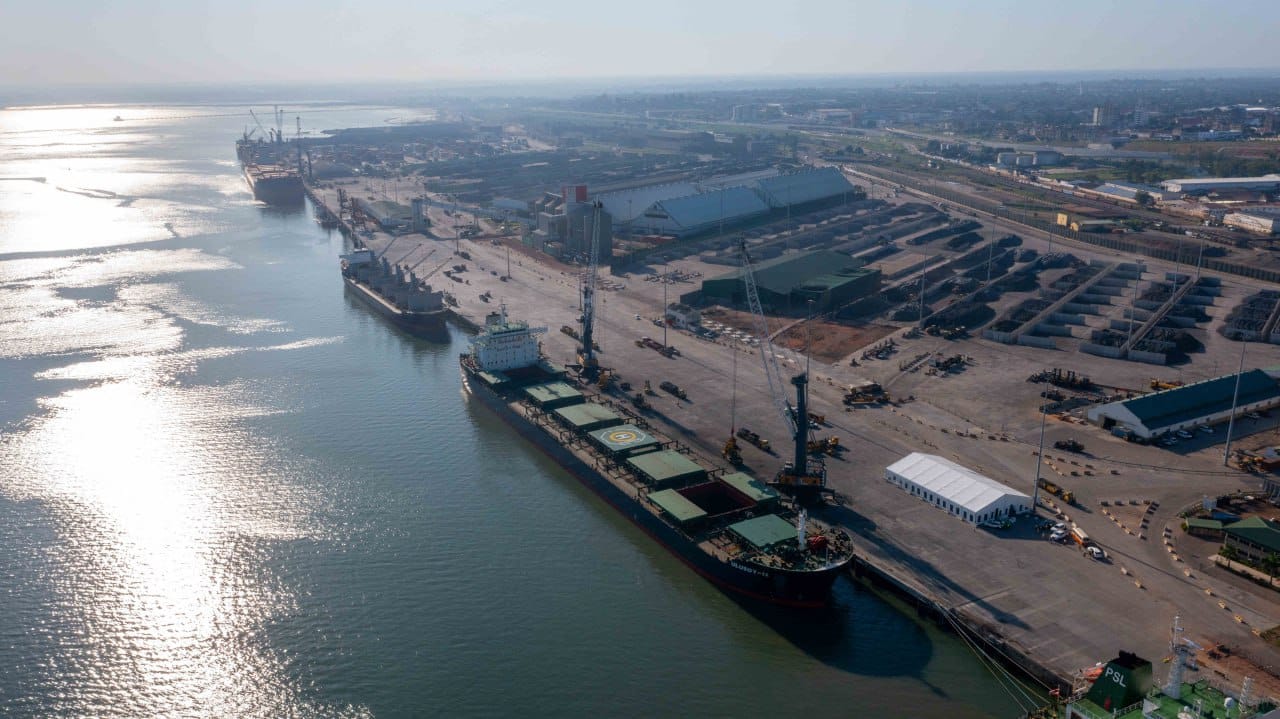
The Port of Maputo, a cornerstone of Southern Africa’s trade network, has borne the brunt of the unrest. Grindrod, the operator of the port, revealed that by 30 November, 24 vessels were delayed, while six others cancelled their port calls due to stock shortages. Cargo volumes, particularly dry bulk, have experienced a precipitous decline, exacerbating the crisis. The port, a key exporter of minerals like chrome, titanium, and coal, saw operations grind to a halt in late November as violence escalated. The closure of the South African border at Lebombo compounded the problem, severing vital truck and rail links and costing the Mozambican government an estimated $54 million in lost revenue.
The economic ramifications extend beyond shipping. Mozambique’s burgeoning liquefied natural gas (LNG) industry, which has attracted over $60 billion in investments from energy giants such as TotalEnergies, Exxon Mobil, ENI, and China National Petroleum Corporation, faces renewed uncertainty. The Islamist insurgency in the northern provinces had already delayed several energy projects. The current unrest further threatens these initiatives, particularly in the insurgency-prone regions that include the Rovuma Basin, home to over 100 trillion cubic feet of recoverable natural gas.



The Mozambique Channel, a vital artery for global maritime trade, is also at risk. Its importance has grown as shipping traffic increasingly re-routes from the Suez Canal. This strategic waterway, pivotal for hydrocarbon exports, is jeopardised by Mozambique’s instability. Ensuring governance stability in Mozambique is crucial to safeguarding this critical maritime route and preventing regional security challenges from spilling over into neighbouring countries.

The international community has expressed mounting concern over the crisis. The United Nations has called for dialogue and a peaceful resolution, while the Southern African Development Community (SADC) convened a summit in Harare in November to address the broader implications. Regional economies, particularly South Africa, which relies heavily on Maputo harbour for exports, have been significantly affected. Border closures and disruptions in trade corridors have highlighted the need for collective action to stabilise the situation.
Mozambique’s current predicament underscores the interdependence of political stability, economic growth, and regional security. The disruptions at key ports and the potential derailment of energy projects underline the pressing need for a peaceful resolution to the crisis. Restoring order is vital not only for Mozambique’s economic recovery but also for ensuring the uninterrupted flow of trade and maintaining the security of critical maritime routes in Southern Africa.