Gold prices eased on Monday as renewed uncertainty surrounding negotiations between the United States and Iran contributed to rising oil prices and reinforced concerns over persistent global inflationary pressures.
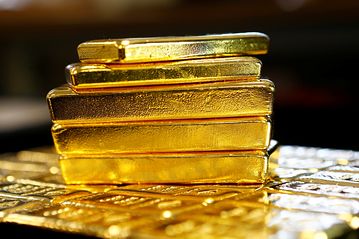
Spot gold fell by 0.8% to approximately US$4,678 per ounce during early trading, while United States gold futures also recorded declines. The movement followed a rise in the United States dollar and renewed volatility in global energy markets after diplomatic discussions between Washington and Tehran failed to produce a breakthrough.
According to reports from Reuters, United States President Donald Trump rejected Iran’s response to a proposed framework for peace negotiations on Sunday, reducing expectations of an immediate resolution to the conflict that has affected regional stability across parts of the Middle East.



The conflict has continued to disrupt maritime activity in the Strait of Hormuz, one of the world’s most strategically significant shipping routes for crude oil exports. Continued restrictions and uncertainty surrounding the passage have contributed to upward pressure on oil prices and wider concerns over global supply chains.
Analysts noted that stronger oil prices are contributing to fears that inflation could remain elevated for longer periods across major economies. While gold is often viewed as a hedge against inflation and geopolitical uncertainty, higher interest rates can reduce investor appetite for non yielding assets such as bullion.
Tim Waterer, chief market analyst at KCM Trade, stated that markets were reassessing expectations for a near term diplomatic resolution, leading to renewed attention on crude oil prices and inflation risks.
The strengthening of the United States dollar also weighed on gold markets by making bullion more expensive for investors using other currencies.
The developments are being closely monitored across African economies, particularly in countries where rising fuel costs can quickly translate into higher transport expenses, food inflation and pressure on public finances. Several Southern African economies remain vulnerable to fluctuations in international energy markets due to reliance on imported fuel and exposure to global commodity cycles.
At the same time, major gold producing countries on the continent, including South Africa, Ghana, Tanzania and Mali, continue to observe shifts in bullion prices with interest, as sustained high gold valuations can support export revenues, foreign exchange reserves and mining sector activity.
The United States Federal Reserve also highlighted the economic implications of the ongoing conflict in its recent financial stability assessment, noting that disruptions to oil supplies and sustained price increases have emerged as key risks to global financial conditions.
Investors are now awaiting upcoming United States inflation data, including the Consumer Price Index report expected later this week, which could shape expectations regarding future monetary policy decisions by the Federal Reserve. Market participants continue to assess whether central banks will maintain elevated borrowing costs in response to inflationary pressures linked partly to energy prices.
In China, the world’s largest gold producer and consumer, first quarter gold production declined compared with the previous year. The China Gold Association attributed the decrease to safety inspections and temporary suspensions at some smelting facilities.
Elsewhere in the precious metals market, silver recorded modest gains, while platinum and palladium edged lower during trading.

Despite short term fluctuations, analysts indicated that gold prices remain within historically elevated ranges amid ongoing geopolitical uncertainty and fragile global economic conditions.
For many African economies navigating the intersecting pressures of inflation, debt servicing and energy insecurity, the trajectory of oil and commodity markets remains closely tied to broader questions of economic resilience, industrial development and regional stability.