Nigeria has announced a suspension of taxes on certain food imports, including wheat and maize, for a period of 150 days. This measure is part of a broader strategy to address the nation’s escalating food inflation, which has surged to over 40% year-on-year. The initiative aims to provide relief in Africa’s most populous country, where economic growth has been tenuous for nearly a decade.
Agricultural Minister Abubakar Kyari outlined the government’s plan in a statement posted on X, the social media platform. “To ameliorate food inflation in the country caused by affordability and exacerbated by availability, the government has taken a raft of measures to be implemented over the next 180 days,” Kyari stated.
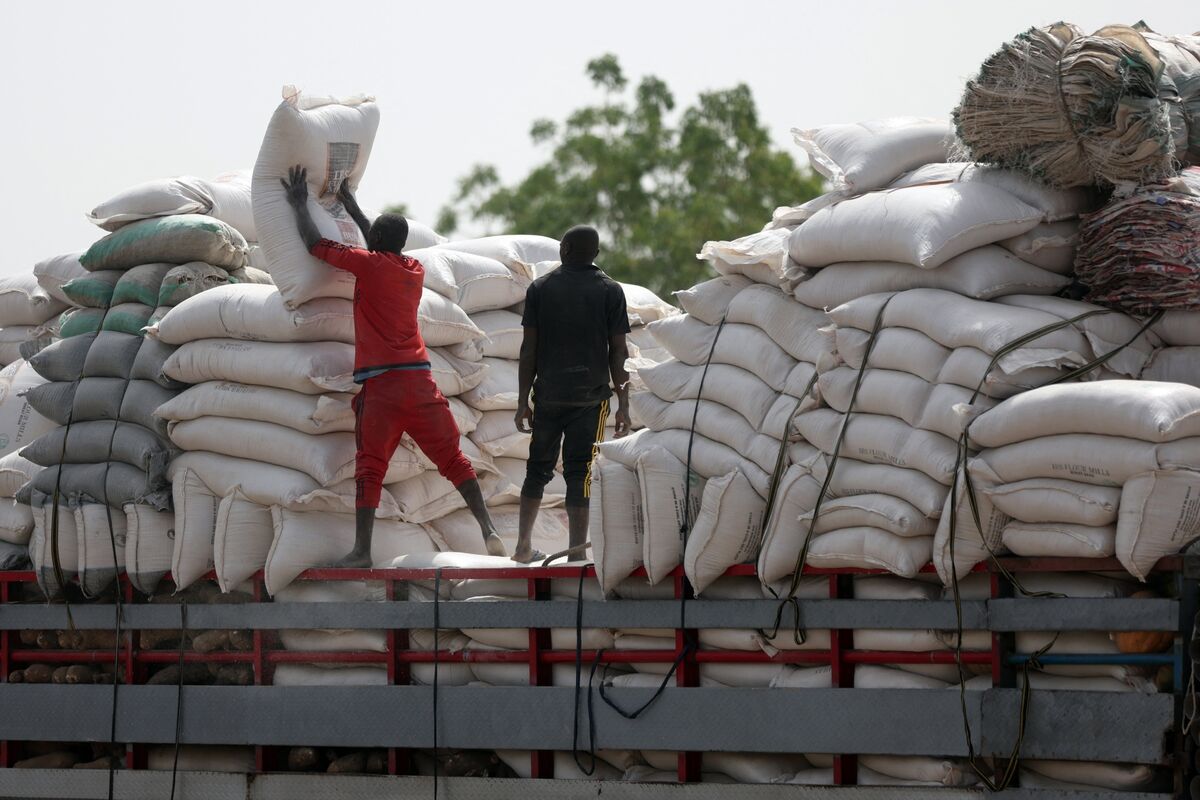
The government will import 250,000 metric tons of wheat and an equal quantity of maize. These commodities, arriving in a semi-processed state, will primarily support small-scale processors and millers. This move is intended to supplement the imports by the private sector, aiming to stabilise supply and prices.



President Bola Tinubu has instructed his economic management team to devise a 2 trillion naira (£1.03 billion) stimulus package. This plan is intended to address concerns regarding food supplies and pricing while also bolstering critical economic sectors, Finance Minister Zainab Ahmed revealed last week.
Nigeria’s food inflation crisis is compounded by multiple factors, including insecurity in key agricultural regions and a deficient road network that hampers the transport of produce from farms to markets. These challenges have significantly contributed to the escalating cost of living and persistent double-digit inflation, now at its highest in nearly three decades.

The tax waiver will apply to food commodities imported through both land and sea borders, providing some respite amidst the nation’s economic challenges.
As Nigeria navigates these pressing issues, the government’s latest measures represent a concerted effort to mitigate the immediate impacts of food inflation on its population while seeking longer-term economic stability.