
Saturday, April 25, 2026
  • Login
The Southern African Times
  • Home
  • Southern Africa
  • Business
    • African Start ups
    • African Continental Free Trade Area
  • Technology
    • Lifestyle
      • Health
      • Culture
      • Food and Drink
      • Entertainment
  • Opinion
  • Sports
  • SAT Jobs
    • Events
  • About Us
    • Advertise with Us
    • Contact Us
No Result
View All Result
  • Home
  • Southern Africa
  • Business
    • African Start ups
    • African Continental Free Trade Area
  • Technology
    • Lifestyle
      • Health
      • Culture
      • Food and Drink
      • Entertainment
  • Opinion
  • Sports
  • SAT Jobs
    • Events
  • About Us
    • Advertise with Us
    • Contact Us
No Result
View All Result
The Southern African Times
No Result
View All Result
Home Markets

S&P Warns Middle East Conflict May Raise Africa Credit Risks

by SAT Reporter
April 25, 2026
in Markets
0
S&P Warns Middle East Conflict May Raise Africa Credit Risks

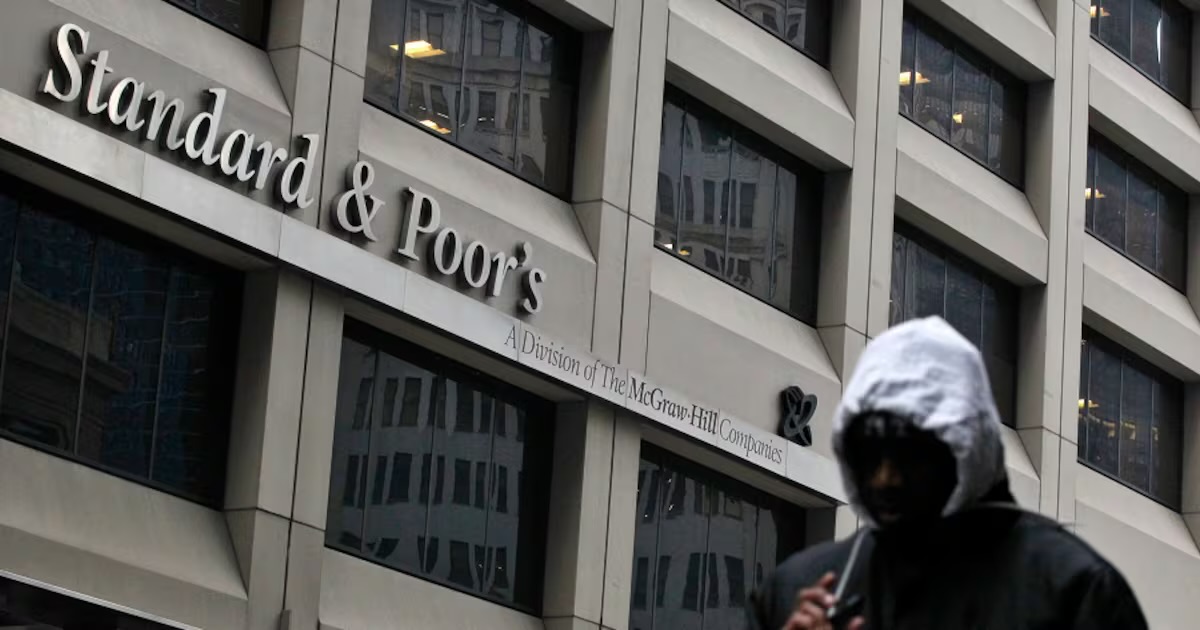
Arecent assessment by S&P Global Ratings, reported by Reuters, indicates that sovereign credit risks across parts of Africa may intensify should instability in the Middle East persist. The agency highlights that extended disruptions linked to the conflict are likely to sustain elevated costs for fuel and fertilisers, with direct implications for inflation, fiscal balances and borrowing conditions across the continent.

The analysis reflects broader empirical findings in economic literature which demonstrate that geopolitical conflict in energy producing regions tends to transmit inflationary pressures globally through higher input costs, particularly in fuel dependent and import reliant economies. These pressures are especially pronounced in African states where structural reliance on imported refined fuel and agricultural inputs remains significant, reinforcing exposure to external price shocks.

S&P identifies Egypt, Mozambique and Rwanda among the most exposed sovereigns. In Egypt’s case, relatively deep domestic capital markets are expected to provide a degree of resilience, while Rwanda’s high share of concessional financing moderates immediate refinancing risks. Nonetheless, the broader macroeconomic environment remains sensitive to sustained increases in import costs, which can translate into higher consumer prices and tighter fiscal space.


ADVERTISEMENT

By contrast, the agency suggests that net oil exporters such as Nigeria, Angola and the Republic of Congo may experience partial insulation due to improved export revenues in a higher price environment. Morocco is also noted as comparatively less exposed, supported by stronger foreign currency reserve buffers. However, such distinctions remain conditional, as volatility in global energy markets can generate both fiscal opportunities and planning uncertainties, particularly where governance, subsidy regimes and exchange rate dynamics intersect.

S&P’s baseline scenario assumes that the conflict will eventually stabilise and that key maritime routes, including the Strait of Hormuz, will progressively return to more regular operation. Even under this assumption, the agency expects supply chain disruptions to persist for several months. A more prolonged or escalatory trajectory would likely amplify risks, particularly through sustained inflation, currency pressures and reduced investor appetite for emerging and frontier market debt.

The anticipated increase in borrowing costs reflects both direct and indirect channels. On one hand, higher global interest rates and risk aversion tend to elevate yields on African sovereign debt. On the other, domestic fiscal pressures linked to subsidy burdens, food security interventions and currency stabilisation measures may expand financing needs. This dual dynamic underscores the importance of policy agility and regional coordination in navigating external shocks.

Recent rating actions by S&P provide additional context. Egypt’s sovereign rating has been maintained with a stable outlook, while ratings for Morocco, Ghana and Mozambique have also been affirmed. These decisions suggest that while immediate downgrades are not universal, the balance of risks is shifting, and future rating trajectories will depend on both global developments and domestic policy responses.

Across the continent, the evolving situation illustrates the interconnected nature of global economic systems and the differentiated ways in which African economies engage with them. While vulnerabilities persist, there are also signs of adaptive capacity, including efforts to deepen local capital markets, diversify trade partnerships and strengthen regional value chains under frameworks such as the African Continental Free Trade Area.

In this context, the current warning from S&P can be understood not solely as a signal of heightened risk, but also as an invitation to reassess structural dependencies and policy frameworks. The trajectory of sovereign creditworthiness in Africa will likely continue to reflect both external geopolitical developments and the internal evolution of economic governance, resilience strategies and regional integration efforts.

Tags: Africa economyAfrican debt marketsfertiliser costsfuel pricesinflation Africamacroeconomic riskMiddle East conflictRegional IntegrationS&P Global Ratingssovereign credit ratings
Previous Post

Investors pledge over $1.3bn towards Zambia–Angola rail corridor

Next Post

Tlou Energy Records First Revenue from Botswana’s Lesedi Gas Project

SAT Reporter

Related Posts

Coffee Industry Launches Satellite System to Track Deforestation in African Growing Regions
Markets

Coffee Industry Launches Satellite System to Track Deforestation in African Growing Regions

by SAT Reporter
April 23, 2026
European Stocks Fall as Oil Rises on Hormuz Tensions, with African Implications
Markets

European Stocks Fall as Oil Rises on Hormuz Tensions, with African Implications

by SAT Reporter
April 23, 2026
Africa’s Insurance Boom Driven by Rising Middle Class and Mobile Access
Markets

Africa’s Insurance Boom Driven by Rising Middle Class and Mobile Access

by SAT Reporter
April 21, 2026
China’s Zero Tariff Policy Opens New Export Pathways for Zimbabwe’s Blueberry Industry
Markets

China’s Zero Tariff Policy Opens New Export Pathways for Zimbabwe’s Blueberry Industry

by SAT Reporter
April 12, 2026
Africa’s Growth Holds Steady but Beneath the Surface Pressures Are Mounting
Markets

Africa’s Growth Holds Steady but Beneath the Surface Pressures Are Mounting

by SAT Reporter
April 12, 2026
Next Post
Tlou Energy Records First Revenue from Botswana’s Lesedi Gas Project

Tlou Energy Records First Revenue from Botswana’s Lesedi Gas Project

Browse by Category

  • Africa AI
  • African Continental Free Trade Area
  • African Debt
  • African Start ups
  • Agriculture
  • AI Africa
  • Algeria
  • All News
  • Analysis
  • Angola
  • Arts / Culture
  • Asia
  • Botswana
  • BOTSWANA
  • BREAKING NEWS
  • BRICS
  • Burkina Faso
  • Burundi
  • Business
  • Business
  • Business Wire
  • Cameroon
  • Central Africa
  • Chad
  • China
  • Climate Change
  • Climate Changev
  • Community
  • Congo Republic
  • Conservation
  • Côte d’Ivoire
  • COVID 19
  • CRYPTOCURRENCY
  • Culture
  • Democratic Republic of Congo
  • Diplomacy
  • Eastern Africa
  • Economic Development
  • Economy
  • Education
  • Egypt
  • Elections 2024
  • Energy
  • Entertainment
  • Environment
  • Eritrea
  • Ethiopia
  • Europe
  • Fashion
  • Feature
  • Finance
  • Financial Inclusion
  • Food
  • Food and Drink
  • Foods
  • GABON
  • Ghana
  • Global
  • Global Africa
  • Guinea
  • Health
  • Immigration
  • in Southern Africa
  • International news
  • International Relations
  • Investment
  • Ivory Coast
  • Just In
  • Kenya
  • Lesotho
  • Libya
  • Life Style
  • Lifestyle
  • Literature
  • Malawi
  • Malawi
  • Mali
  • Markets
  • Mauritius
  • Middle East
  • Mining in Africa
  • Morocco
  • Mozambique
  • Namibia
  • Niger
  • niger
  • Nigeria
  • North Africa
  • North-Eastern Africa
  • Obituaries
  • Obituary
  • Opinion
  • PARTNER CONTENT
  • Politics
  • Property
  • Racism
  • Rwanda
  • Rwanda
  • SADC
  • SAT Interviews
  • SAT Investigation
  • SAT Jobs
  • Saudi Arabia
  • Senegal
  • Seychelles
  • Somaliland
  • South Africa
  • South Sudan
  • Sports
  • Startup Africa
  • STOCK EXCHANGE
  • Sudan
  • Sustainability
  • Sustainablity
  • Tanzania
  • Technology
  • Telecommunications
  • The Editorial Board
  • The Power Of She
  • Togo
  • Trade
  • Travel
  • Travel
  • Tunisia
  • Uganda
  • Uncategorized
  • Wealth
  • West Africa
  • World
  • World
  • ZAMBIA
  • Zambia
  • ZIMBABWE
  • Zimbabwe

Browse by Tags

#NewsUpdate #SouthAfrica #SouthernAfricanTimes #TheSouthernAfricanTimes AfCFTA africa African Continental Free Trade Area African development African Development Bank African economies African economy African Union Agriculture Angola Botswana Business China Climate change Cyril Ramaphosa Economic Development economic growth energy transition fiscal policy industrialisation Inflation Infrastructure Infrastructure Development International relations Investment Kenya Mozambique Namibia news Nigeria Regional Integration renewable energy Rwanda SADC South Africa Southern Africa sustainable development Tanzania United States Zambia Zimbabwe
ADVERTISEMENT

WHO WE ARE

The Southern African Times is a regional bloc digital newspaper that covers Southern African and world news. The paper also gives a nuanced analysis on news and covers a wide range of reporting which include sports, entertainment, foreign affairs, arts and culture.

Welcome Back!

Login to your account below

Forgotten Password?

Retrieve your password

Please enter your username or email address to reset your password.

Log In

  • Home
  • Southern Africa
  • Business
    • African Start ups
    • African Continental Free Trade Area
  • Technology
    • Lifestyle
      • Health
      • Culture
      • Food and Drink
      • Entertainment
  • Opinion
  • Sports
  • SAT Jobs
    • Events
  • About Us
    • Advertise with Us
    • Contact Us
Are you sure want to unlock this post?
Unlock left : 0
Are you sure want to cancel subscription?