Nigeria has saved more than 1 trillion naira ($1.32 billion) within just over two months by scrapping a popular but costly subsidy on petrol and unifying its multiple exchange rates, as announced by President Bola Tinubu on Monday.
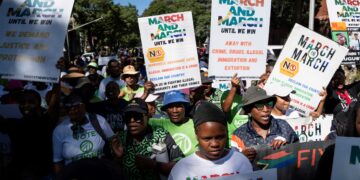
The decision to remove the petrol subsidy has been met with mixed reactions, as soaring prices have resulted in hardships, particularly affecting the poor, prompting labor unions to express their concerns. A meeting between the unions and the government aimed at avoiding a planned strike on Wednesday ended without an agreement, according to union officials.
President Tinubu stood firm in his defense of the subsidy removal, stating that it primarily benefited a few elites and that the reforms would ultimately contribute to bolstering the economy. He acknowledged the difficulties caused by the subsidy removal and emphasized his commitment to monitoring the effects of the exchange rate and inflation on gasoline prices. Tinubu assured the public that he would intervene if necessary.



The World Bank had previously predicted that Nigeria could save up to 3.9 trillion naira this year alone following Tinubu’s reforms. However, the Bank also warned of short-term inflationary pressures.
Under pressure from labor unions to provide relief to households and small businesses, Tinubu unveiled a 500 billion naira package, which includes initiatives such as providing mass transit buses and offering cheap loans to farmers and small businesses to boost employment opportunities.
The government has already taken some measures to ease the burden on citizens, releasing grains to families, deferring school fee hikes in public schools, and providing buses to reduce transport costs for students. Additionally, it plans to establish a fund from the subsidy savings to invest in infrastructure development.

President Tinubu acknowledged the gap between the subsidy removal and the full implementation of these relief plans but assured that they are quickly closing that time gap.
Nigeria’s decision to scrap the fuel subsidy and unify exchange rates has resulted in significant savings for the country. However, the transition has not been without challenges, and labor unions continue to advocate for relief measures for the poor and vulnerable. As the reforms take effect, the government remains committed to addressing the concerns of its citizens and monitoring the economic impact closely.