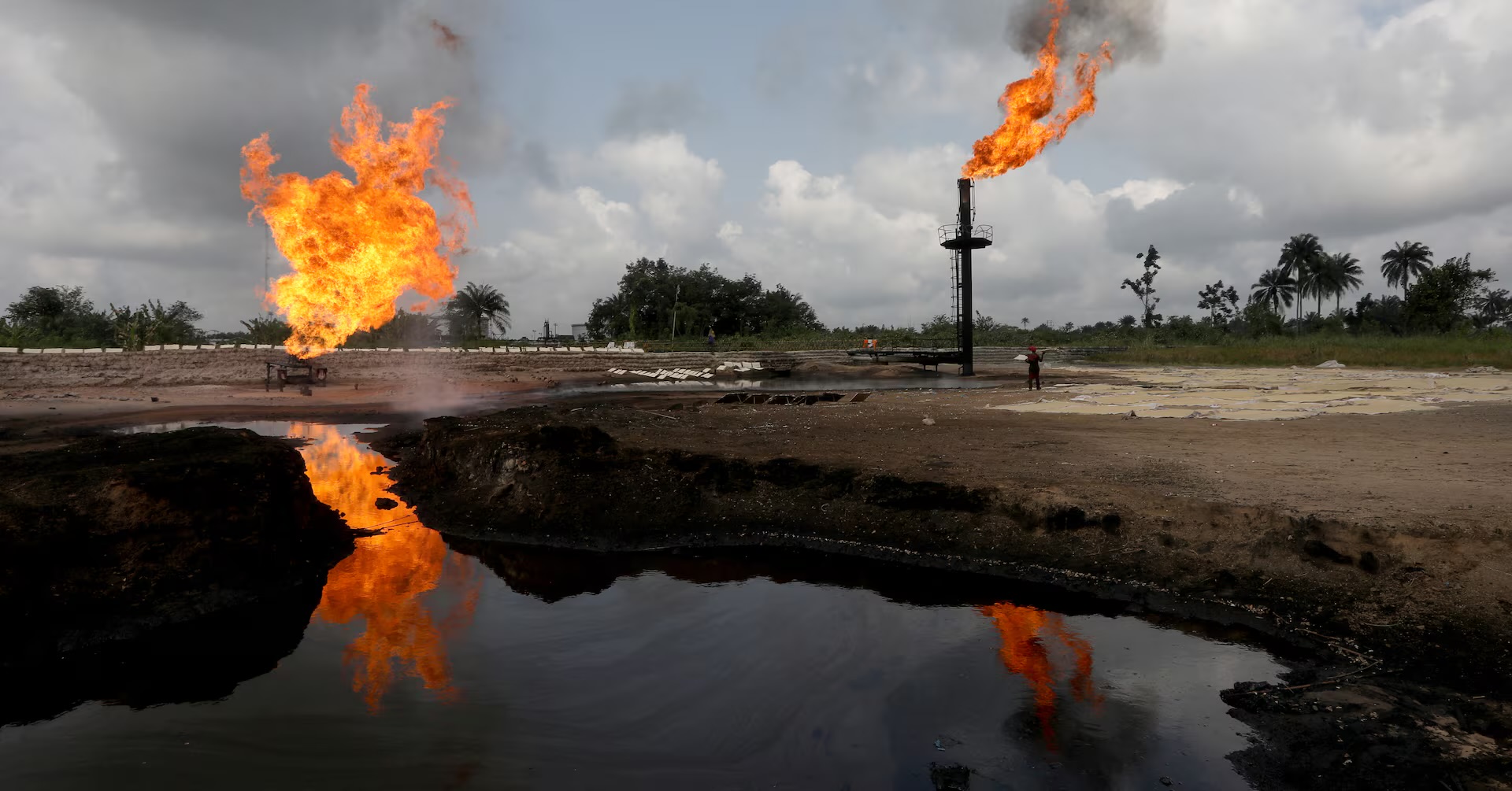
Nigeria has issued permits to twenty-eight companies under its ambitious Nigerian Gas Flare Commercialisation Programme (NGFCP), a flagship initiative aimed at eliminating routine gas flaring while transforming the country’s energy landscape. The programme represents a decisive shift toward sustainable energy development, economic diversification, and environmental accountability within Africa’s largest oil-producing nation.
The NGFCP, overseen by the Nigerian Upstream Petroleum Regulatory Commission (NUPRC), seeks to monetise previously wasted natural gas released during oil extraction, an effort aligned with Nigeria’s Energy Transition Plan and the country’s long-term decarbonisation goals. According to official documents, the projects are projected to capture between 250 and 300 million standard cubic feet of gas per day, potentially reducing up to six million tonnes of carbon dioxide annually while generating nearly three gigawatts of power.
The initiative is expected to attract as much as two billion US dollars in investment, creating over one hundred thousand jobs and producing an estimated 170,000 metric tonnes of liquefied petroleum gas (LPG) per year. This output could provide clean cooking access for approximately 1.4 million households, reducing dependence on biomass and improving public health outcomes.



Gbenga Komolafe, Chief Executive of the NUPRC, who presented the permits to participating companies, described the NGFCP as a cornerstone in Nigeria’s strategy to “eliminate routine flaring, reduce emissions, and enhance Nigeria’s global credibility in energy transition commitments.” His remarks underscore the programme’s broader vision of repositioning Nigeria as a regional leader in responsible energy production while aligning with the African Union’s Agenda 2063 on sustainable industrialisation.
Following a competitive bidding process, forty-nine flare sites were awarded to forty-two successful bidders after the programme was restructured in the aftermath of the COVID-19 pandemic and the enactment of the Petroleum Industry Act. The twenty-eight companies granted permits have now signed Connection Agreements, Milestone Development Agreements, and Gas Sales Agreements, enabling them to access flare gas legally and commence development.
The Nigerian government has framed the programme not only as an environmental initiative but as an opportunity to turn what was once an ecological and economic burden into a viable source of national revenue and innovation. By converting flare gas into power generation and cleaner domestic fuel, Nigeria seeks to bridge its chronic energy deficit and foster industrial growth while reducing greenhouse gas emissions.
International and regional partners, including Power Africa, the World Bank’s Global Gas Flaring Reduction Partnership, USAID, and consultancy firm KPMG, have contributed technical and financial frameworks to support the rollout. Their collaboration has been instrumental in establishing governance, transparency, and commercial structures for the programme’s success.

An NGFCP official emphasised that while the issuance of permits is a significant step forward, the practical phase of engineering, financing, and construction must begin immediately. “The real work starts now,” the official noted, adding that the programme will generate “economic, industrial, and environmental value while strengthening Nigeria’s energy transition.”
Gas flaring remains a persistent challenge across resource-rich regions of Africa, from Angola to Algeria. Nigeria’s approach, therefore, has implications that extend beyond its borders. If successfully implemented, the NGFCP could serve as a model for other African states seeking to reconcile hydrocarbon dependence with the global shift toward sustainable energy. By turning environmental liabilities into developmental assets, the initiative underscores Africa’s capacity to lead in its own energy transformation narratives, grounded in contextually informed innovation rather than externally imposed models.

As Nigeria moves forward with implementation, the success of the NGFCP will depend on transparency, community inclusion, and equitable benefit distribution. It is not merely an energy policy but a litmus test for how African nations can convert extractive challenges into engines of inclusive growth and climate responsibility.