Tuesday, April 14, 2026
  • Login
The Southern African Times
  • Home
  • Southern Africa
  • Business
    • African Start ups
    • African Continental Free Trade Area
  • Technology
    • Lifestyle
      • Health
      • Culture
      • Food and Drink
      • Entertainment
  • Opinion
  • Sports
  • SAT Jobs
    • Events
  • About Us
    • Advertise with Us
    • Contact Us
No Result
View All Result
  • Home
  • Southern Africa
  • Business
    • African Start ups
    • African Continental Free Trade Area
  • Technology
    • Lifestyle
      • Health
      • Culture
      • Food and Drink
      • Entertainment
  • Opinion
  • Sports
  • SAT Jobs
    • Events
  • About Us
    • Advertise with Us
    • Contact Us
No Result
View All Result
The Southern African Times
No Result
View All Result
Home in Southern Africa

Namibia’s mining sector eyes gains from global uranium demand

by SAT Reporter
March 11, 2026
in in Southern Africa, Mining in Africa, Namibia
0
Namibia’s mining sector eyes gains from global uranium demand

As global demand for critical minerals accelerates in response to the energy transition, Namibia’s mining sector is increasingly viewed as a strategic contributor to emerging supply chains. Recent assessments from the Chamber of Mines of Namibia suggest that sustained demand for uranium, gold and base metals could reinforce the country’s economic prospects, even as structural and geopolitical pressures continue to shape the global resource landscape.

According to the latest industry update released by the Chamber of Mines of Namibia, the sector enters 2026 with what it describes as a cautiously positive outlook. Commodity prices for several key minerals have remained relatively supportive and investor confidence in Namibia’s mineral governance framework has shown signs of resilience. Mining continues to represent a central pillar of Namibia’s economy, supporting export earnings, fiscal revenues and employment while anchoring broader industrial linkages across southern Africa.

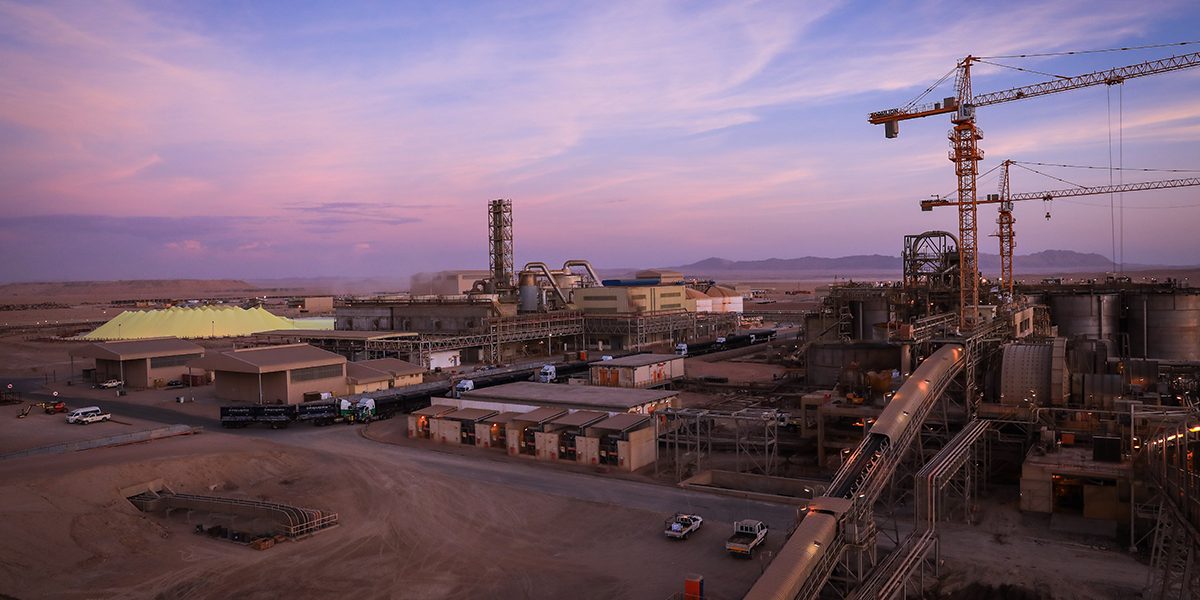
Namibia occupies a notable position in the global uranium market. Data compiled by the World Nuclear Association indicates that the country is among the world’s leading uranium producers and has accounted for roughly 10 to 11 percent of global uranium output in recent years. Major operations such as the Rössing, Husab and Langer Heinrich mines form part of a production network that has long supplied nuclear energy markets in Europe and Asia.


ADVERTISEMENT

Growing demand for uranium is closely linked to renewed international interest in nuclear power as a low carbon energy source. The International Energy Agency has noted that nuclear generation is increasingly recognised as a stabilising component of electricity systems seeking to reduce emissions while maintaining baseload capacity. Within this context, countries rich in uranium resources are gaining renewed strategic relevance.

Namibia’s mining sector is therefore positioned within a wider continental conversation about Africa’s role in the global energy transition. The United Nations Conference on Trade and Development has emphasised that African mineral producing states hold a significant share of the world’s reserves of minerals required for clean energy technologies. The report argues that the challenge for African economies lies not only in extraction but also in strengthening local value addition, governance and regional cooperation.

In Namibia, mining has historically played a decisive role in macroeconomic performance. The World Bank reports that the sector contributes substantially to export revenues and remains a key driver of industrial activity. The national budget for the 2026 to 2027 fiscal period projects real gross domestic product growth of approximately 3.1 percent, with mining expected to remain one of the major contributors to economic output.

However, the sector’s outlook is not without challenges. Industry assessments note that geopolitical tensions and uncertainties within global supply chains continue to influence commodity markets. Domestic cost pressures are also emerging as a concern, particularly in relation to electricity and fuel, both of which are essential inputs for energy intensive mining operations. Namibia’s arid climate and limited water resources add further complexity to long term resource management.

While uranium and gold have provided support to the sector, Namibia’s diamond industry has faced more subdued conditions. Market analysts have observed weaker consumer demand in major jewellery markets alongside the rapid expansion of lab grown diamonds. The De Beers industry insights note that rising inventories and shifting consumer preferences have contributed to price volatility in the natural diamond market, trends that have implications for diamond producing economies in southern Africa.

Despite these pressures, Namibia’s mining sector continues to be framed within broader regional dynamics. Southern Africa remains one of the most resource rich regions globally, and policymakers across the region increasingly emphasise the need for coordinated approaches to mineral governance, infrastructure development and beneficiation. Regional institutions such as the Southern African Development Community have repeatedly highlighted the importance of leveraging mineral wealth to support industrial development and economic diversification.

For Namibia, the evolving global demand for uranium and other strategic minerals presents both opportunity and responsibility. As debates around climate transition, energy security and mineral sovereignty intensify, African producing states are increasingly asserting their role not merely as suppliers of raw materials but as active participants in shaping more equitable global value chains.

Within this landscape, Namibia’s experience reflects a broader African narrative in which natural resources intersect with questions of governance, sustainability and economic transformation. The country’s mining sector therefore sits at the intersection of global energy debates and continental aspirations for development that is both inclusive and locally anchored.

Tags: African Energy TransitionChamber of Mines Namibiacritical mineralsdiamond marketglobal supply chainsmining sectorNamibianuclear energySouthern Africa economyuranium
Previous Post

South Africa’s Economy Grows 1.1 Percent in 2025

Next Post

Rwanda positions nuclear energy as key pillar of Vision 2050 development strategy

SAT Reporter

Related Posts

Namibia Reports Significant Decline in Wildlife Crime Following Intensified Enforcement
Conservation

Namibia Reports Significant Decline in Wildlife Crime Following Intensified Enforcement

by SAT Reporter
April 12, 2026
Zambia Maintains Fertiliser Stability Despite Global Disruptions
in Southern Africa

Zambia Maintains Fertiliser Stability Despite Global Disruptions

by SAT Reporter
April 12, 2026
4,496 South Africans Admitted as US Refugees in Six Months
in Southern Africa

4,496 South Africans Admitted as US Refugees in Six Months

by SAT Reporter
April 12, 2026
Flooding Halts Rail Traffic Along Angola’s Lobito Corridor
Angola

Flooding Halts Rail Traffic Along Angola’s Lobito Corridor

by SAT Reporter
April 12, 2026
Ghana Transfers Major Damang Gold Mine to Local Operator
Mining in Africa

Ghana Transfers Major Damang Gold Mine to Local Operator

by SAT Reporter
April 10, 2026
Next Post
Rwanda positions nuclear energy as key pillar of Vision 2050 development strategy

Rwanda positions nuclear energy as key pillar of Vision 2050 development strategy

Browse by Category

  • Africa AI
  • African Continental Free Trade Area
  • African Debt
  • African Start ups
  • Agriculture
  • AI Africa
  • Algeria
  • All News
  • Analysis
  • Angola
  • Arts / Culture
  • Asia
  • Botswana
  • BOTSWANA
  • BREAKING NEWS
  • BRICS
  • Burkina Faso
  • Burundi
  • Business
  • Business
  • Business Wire
  • Cameroon
  • Central Africa
  • Chad
  • China
  • Climate Change
  • Climate Changev
  • Community
  • Congo Republic
  • Conservation
  • Côte d’Ivoire
  • COVID 19
  • CRYPTOCURRENCY
  • Culture
  • Democratic Republic of Congo
  • Diplomacy
  • Eastern Africa
  • Economic Development
  • Economy
  • Education
  • Egypt
  • Elections 2024
  • Energy
  • Entertainment
  • Environment
  • Eritrea
  • Ethiopia
  • Europe
  • Fashion
  • Feature
  • Finance
  • Financial Inclusion
  • Food
  • Food and Drink
  • Foods
  • GABON
  • Ghana
  • Global
  • Global Africa
  • Guinea
  • Health
  • Immigration
  • in Southern Africa
  • International news
  • International Relations
  • Ivory Coast
  • Just In
  • Kenya
  • Lesotho
  • Libya
  • Life Style
  • Lifestyle
  • Literature
  • Malawi
  • Malawi
  • Mali
  • Markets
  • Mauritius
  • Middle East
  • Mining in Africa
  • Morocco
  • Mozambique
  • Namibia
  • Niger
  • niger
  • Nigeria
  • North Africa
  • North-Eastern Africa
  • Obituaries
  • Obituary
  • Opinion
  • PARTNER CONTENT
  • Politics
  • Property
  • Racism
  • Rwanda
  • Rwanda
  • SADC
  • SAT Interviews
  • SAT Investigation
  • SAT Jobs
  • Saudi Arabia
  • Senegal
  • Seychelles
  • South Africa
  • South Sudan
  • Sports
  • Startup Africa
  • STOCK EXCHANGE
  • Sudan
  • Sustainability
  • Sustainablity
  • Tanzania
  • Technology
  • Telecommunications
  • The Editorial Board
  • The Power Of She
  • Togo
  • Trade
  • Travel
  • Travel
  • Tunisia
  • Uganda
  • Uncategorized
  • Wealth
  • West Africa
  • World
  • World
  • ZAMBIA
  • Zambia
  • ZIMBABWE
  • Zimbabwe

Browse by Tags

#NewsUpdate #SouthAfrica #SouthernAfricanTimes #TheSouthernAfricanTimes AfCFTA africa African Continental Free Trade Area African development African Development Bank African economies African economy African Union Agriculture Angola Botswana Business China Climate change Cyril Ramaphosa Economic Development economic growth energy transition fiscal policy food security industrialisation Inflation Infrastructure Development International relations Investment Kenya Mozambique Namibia news Nigeria Regional Integration renewable energy Rwanda SADC South Africa Southern Africa sustainable development Tanzania United States Zambia Zimbabwe
ADVERTISEMENT

WHO WE ARE

The Southern African Times is a regional bloc digital newspaper that covers Southern African and world news. The paper also gives a nuanced analysis on news and covers a wide range of reporting which include sports, entertainment, foreign affairs, arts and culture.

Welcome Back!

Login to your account below

Forgotten Password?

Retrieve your password

Please enter your username or email address to reset your password.

Log In

  • Home
  • Southern Africa
  • Business
    • African Start ups
    • African Continental Free Trade Area
  • Technology
    • Lifestyle
      • Health
      • Culture
      • Food and Drink
      • Entertainment
  • Opinion
  • Sports
  • SAT Jobs
    • Events
  • About Us
    • Advertise with Us
    • Contact Us
Are you sure want to unlock this post?
Unlock left : 0
Are you sure want to cancel subscription?