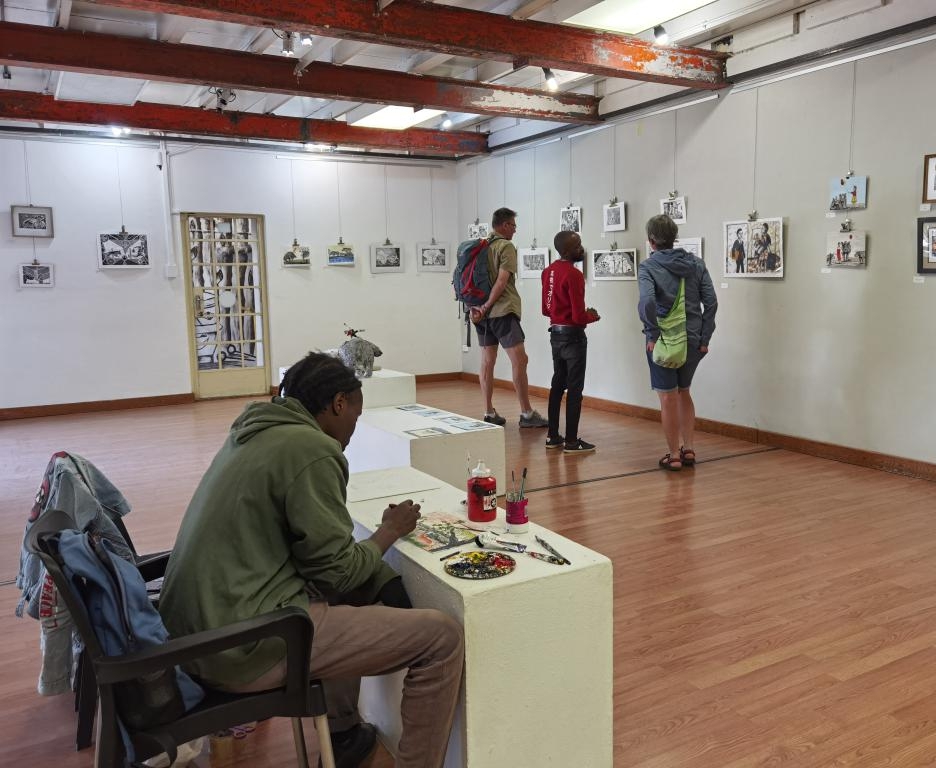
In a powerful testament to wildlife conservation, Namibian artists Jeremia Haihambo and Nghiwilepo Tuhafeni have unveiled an exhibition at the Omba Art Gallery in Windhoek, dedicated to protecting endangered species. Titled “Save us from Fading,” the exhibition, which opened on 18 June and runs until 14 July, showcases over 70 pieces of art, including linocuts, paintings, and sculptures, all depicting rhinoceros and other endangered wildlife.
The artworks, crafted over the past year, aim to raise awareness about the urgent need to combat rhinoceros poaching and the illegal wildlife trade, challenges that significantly impact Namibia. “Ongoing poaching has inspired us to come together in solidarity to advocate for the survival and justice of the last remaining species of rhinoceros in our country and Africa as a whole,” Haihambo stated on Thursday.
Namibia has been grappling with a surge in rhinoceros poaching, which poses a grave threat to its wildlife. Minister of Environment, Forestry and Tourism Pohamba Shifeta reported an increase in poached rhinoceros, rising from 79 in 2022 to 83 in 2023. Additionally, there was a notable rise in pangolin seizures in 2023 following a decline the previous year.



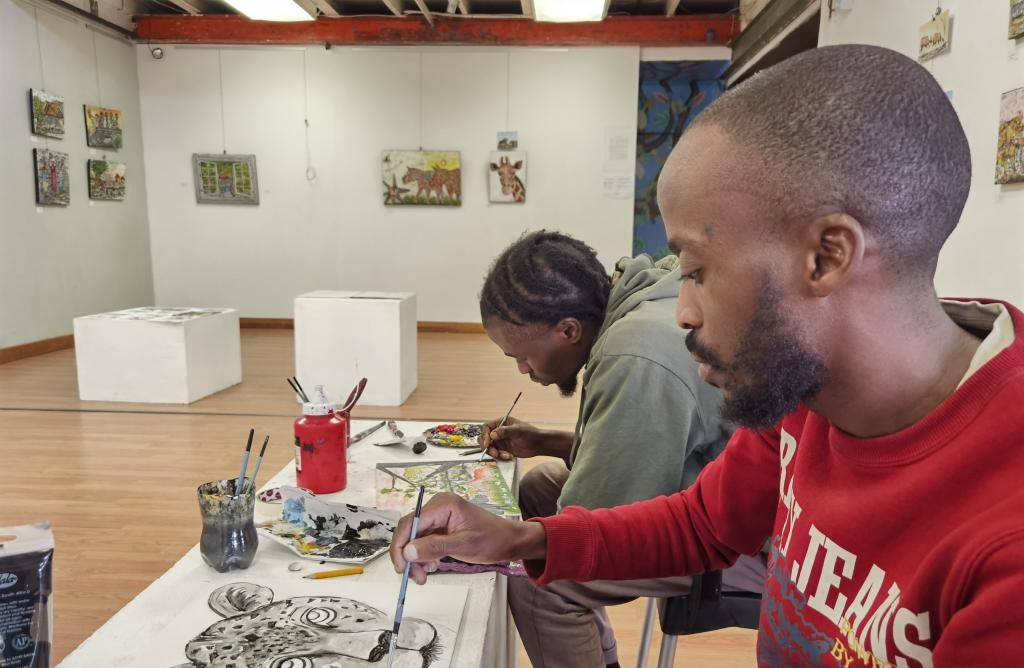
Haihambo emphasised that art serves as a potent call to action for the care and protection of wildlife. The exhibition aims not only to highlight the plight of these animals but also to shift public perceptions and attitudes towards nature. Tuhafeni pointed out the broader implications for Namibia’s economy, particularly its tourism sector, which relies heavily on the country’s rich biodiversity and wildlife. “Neglecting the environment will have a detrimental impact on our tourism sector, as our nature, biodiversity, culture, and wildlife are major attractions for visitors, deriving benefits for local communities,” he explained.
Namibia’s tourism sector contributed an estimated 6.9 per cent to the nation’s gross domestic product in 2022, according to the Namibia Tourism Satellite Account Report for that year. The artists hope that by drawing attention to the importance of wildlife conservation, they can help preserve these natural assets for future generations.

Proceeds from the exhibition will be donated to Save the Rhino Trust, a local nonprofit organisation dedicated to rhinoceros conservation. The funds will also support Haihambo and Tuhafeni’s studies at the local governmental college of the arts, fostering the development of future advocates for wildlife protection.
“Save us from Fading” stands as a poignant reminder of the delicate balance between humanity and nature, urging collective action to safeguard Namibia’s endangered species before they vanish entirely.