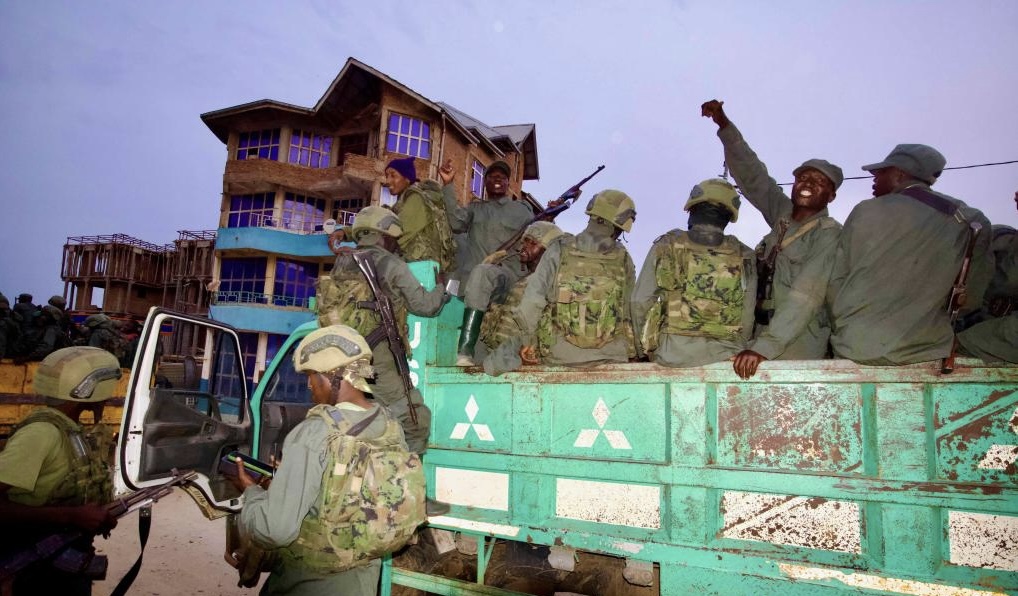
In a development that underscores the persistent complexity of armed conflict in the eastern Democratic Republic of the Congo, the March 23 Movement rebel group announced its full withdrawal from the strategic city of Uvira. This announcement, made on Saturday, comes amidst contested interpretations and growing diplomatic efforts to stabilise the region. The Congolese government, however, has firmly rejected the claim, describing it as lacking in substance and transparency.
Speaking from an undisclosed location, M23 spokesperson Lawrence Kanyuka said the group had made what he described as a difficult decision to withdraw in order to allow space for regional peace efforts to take root. According to Kanyuka, control of Uvira would now be ceded to the United Nations and the international community, though no concrete operational details were provided on the logistics or scale of the withdrawal.
Uvira, a lakeside city situated along Lake Tanganyika and bordering Burundi, has remained a crucial administrative and logistical stronghold since the fall of Bukavu in February 2025. Since capturing Uvira, M23 had consolidated a significant presence in South Kivu Province, intensifying concerns about regional destabilisation. The group’s announcement in December 2025 that it had begun withdrawing was received with caution, and similar scepticism has greeted the most recent declaration.



The Congolese government remains unequivocal in its stance. Government spokesperson Patrick Muyaya dismissed the rebel statement on Saturday evening, calling it a disinformation tactic. He stated that any withdrawal not followed by the full restoration of state authority and civilian governance is effectively meaningless. Muyaya warned of the risk that rebel forces might simply reposition themselves while maintaining covert influence through infiltrated operatives left behind.
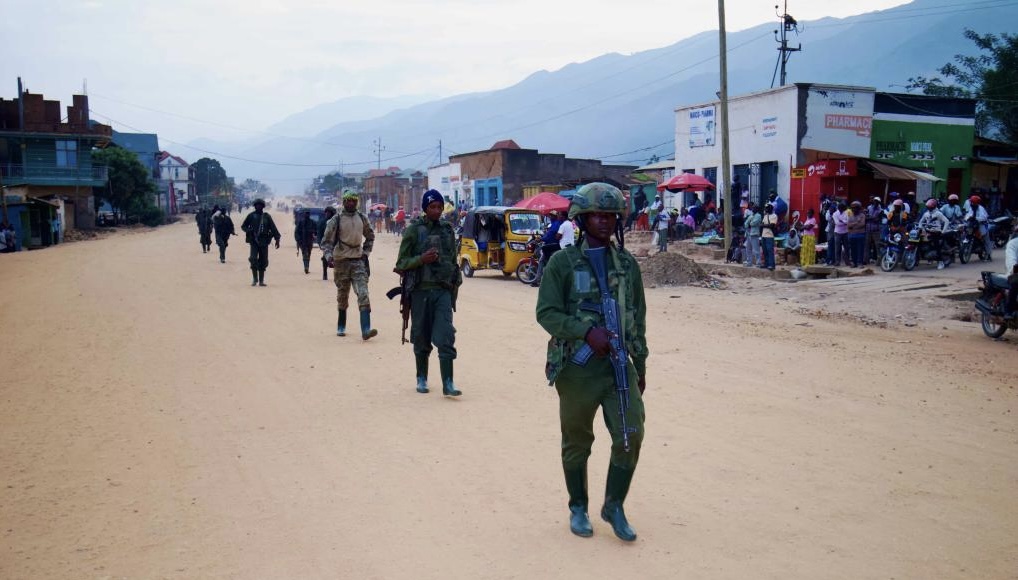
“What is a withdrawal without departure?” Muyaya questioned, suggesting that the appearance of retreat may not correspond to a meaningful relinquishing of power. He reiterated that a genuine withdrawal would require the full reinstatement of public services and the safe return of government personnel to their posts.
The M23, which re-emerged in late 2021 after a period of dormancy, has been implicated in numerous clashes in eastern DRC and remains a focal point in discussions around regional peacebuilding. The group’s continued control of territory, including major urban centres such as Bukavu and Uvira, has placed it in direct confrontation with the Kinshasa government. While it maintains it is open to dialogue and cooperation, the conditions on the ground suggest otherwise, with fighting continuing along multiple fronts near Uvira in recent days.
On Thursday, the M23 called upon the United Nations Organization Stabilization Mission in the Democratic Republic of the Congo to step in and ensure civilian protection in Uvira in accordance with its mandate. However, as of the latest reports, the UN mission had not issued a formal response to the request. The mission, widely known as MONUSCO, has faced increasing scrutiny over its efficacy and long-term role in the region.
The unfolding situation in Uvira reflects the enduring instability in eastern DRC, where local grievances, historical tensions, and international interests converge. It also calls attention to broader challenges across the Great Lakes region, where efforts to build sustainable peace often confront fragmented political loyalties and deep-seated mistrust.
Decades of conflict in the eastern regions of the DRC have produced a complex tapestry of armed groups, each operating under varying degrees of external influence and domestic discontent. The M23’s actions, and the government’s corresponding responses, therefore cannot be understood in isolation but must be analysed within a broader regional and historical framework.

As the situation evolves, the test lies not only in the removal of armed elements but in the capacity to re-establish civic life, restore trust among affected populations, and create a credible political process that reflects the aspirations of local communities. Without these pillars, any claimed withdrawal risks becoming symbolic rather than transformative.

For now, the people of Uvira remain in a state of uncertainty, caught between political manoeuvres and the realities of conflict. The success or failure of peace efforts in eastern DRC will depend not solely on rebel declarations or government dismissals but on the implementation of locally rooted, African-led solutions that restore dignity and governance across the region.