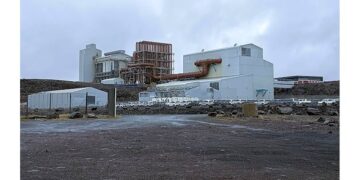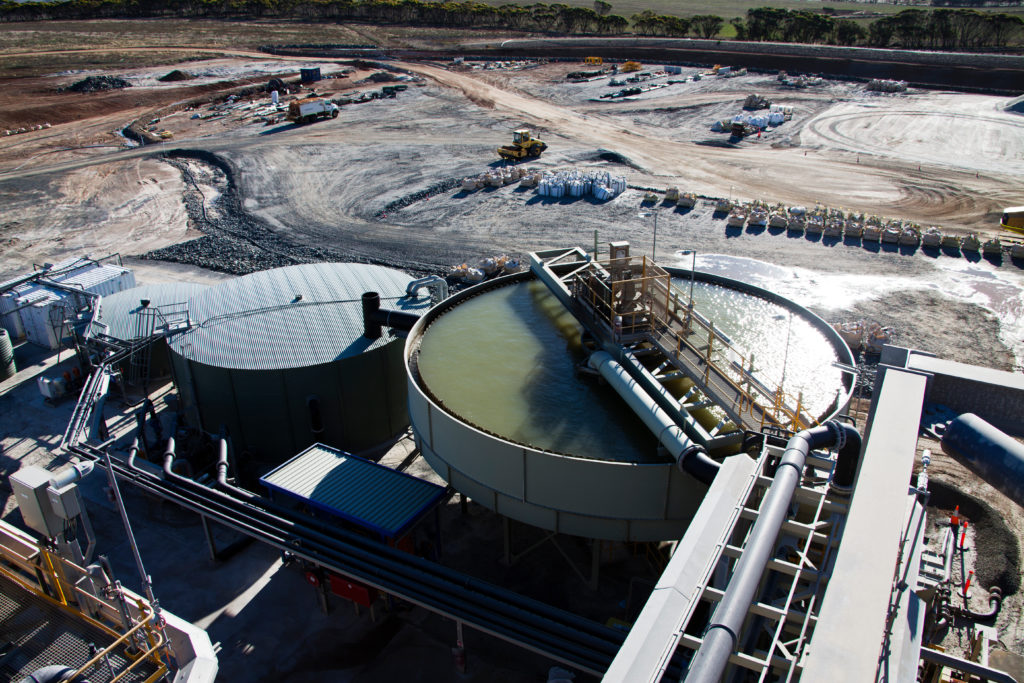
Kuvimba Mining House has secured a $310 million investment from a consortium of British and Chinese investors. The agreement, announced on Thursday, entails the construction of a state-of-the-art lithium concentrator at the Sandawana mine, a site historically renowned for emerald mining under Rio Tinto until 1993.
The transaction is structured as a Build, Operate, and Transfer (BOT) arrangement, set to last six years. This investment underscores Zimbabwe’s strategic importance in the global lithium market, with the new plant expected to process 3 million metric tons of ore annually, producing 600,000 metric tons of lithium concentrate each year. The facility is slated for commissioning within 18 months, marking a significant milestone in the country’s drive to enhance value addition in its mining sector.
Lithium, a critical component in electric vehicle batteries and renewable energy storage, positions Zimbabwe as a pivotal player in the global transition to green energy. Despite being Africa’s largest lithium producer, Zimbabwe currently exports its raw lithium concentrates to China for refining, highlighting the necessity of local processing capabilities.



Kuvimba Mining House’s announcement did not disclose the identities of the British and Chinese companies involved, referring to them merely as “leading foreign companies in the global lithium market”. This strategic partnership is expected to bolster Zimbabwe’s position in the lithium supply chain, potentially reducing the export of unprocessed minerals and increasing in-country beneficiation.

Zimbabwe’s lithium sector has attracted over $1 billion in investments since 2021, predominantly from Chinese battery metal firms. Notable Chinese companies operating in Zimbabwe include Zhejiang Huayou Cobalt, Sinomine Resource Group, Chengxin Lithium Group, Canmax Technologies, and Yahua Group.
Countries by Lithium Investment in Zimbabwe
| Rank | Country | Investment Amount |
|---|---|---|
| 1 | China | Over $1 billion |
| 2 | United Kingdom | $310 million |
This BOT arrangement signifies a progressive step for Zimbabwe’s mining industry, promising to enhance the nation’s capacity to refine lithium domestically. The completion of this plant could transform Zimbabwe from a mere exporter of raw lithium concentrates into a significant global supplier of refined lithium products, vital for the burgeoning electric vehicle and renewable energy markets.
This investment aligns with the global shift towards sustainable energy solutions, positioning Zimbabwe as a key player in the lithium market. By fostering local processing capabilities, Zimbabwe stands to gain substantial economic benefits, providing a model for resource-rich countries seeking to enhance their value-addition capacities.