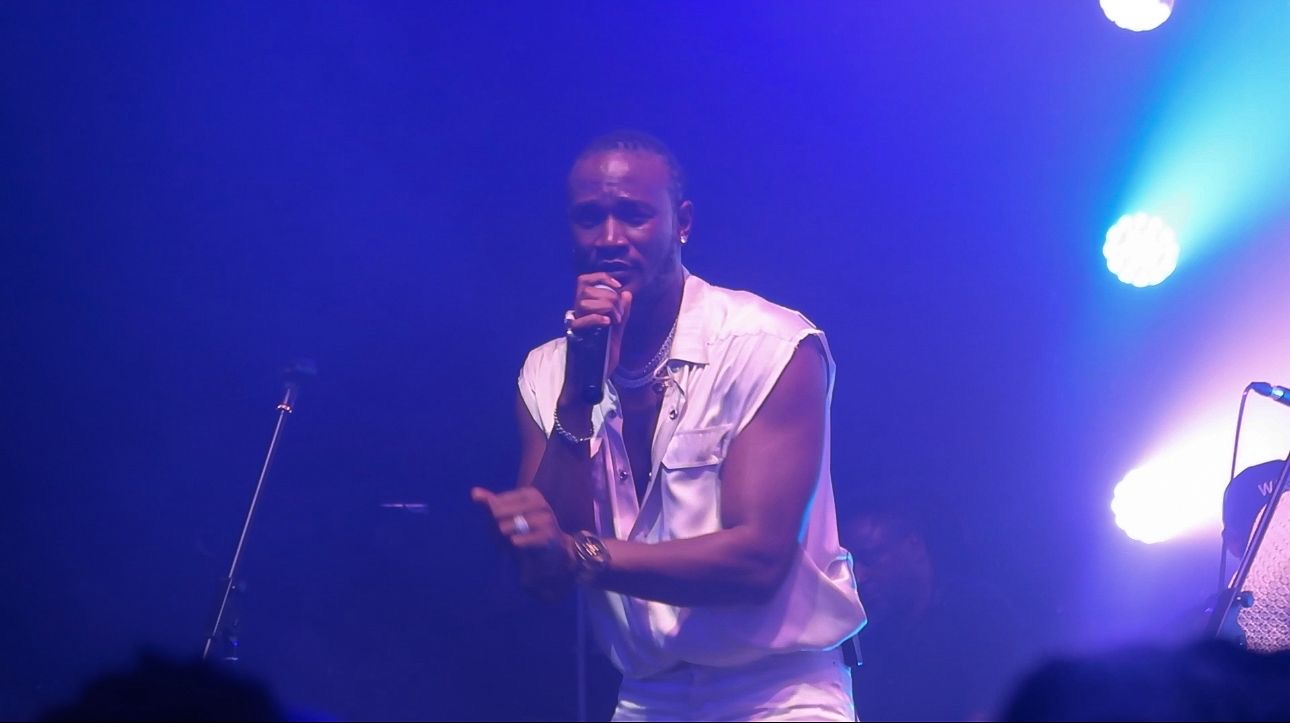
On 25 May, Zimbabwean megastar Jah Prayzah inaugurated his self-orchestrated Ndini Mukudzeyi World Tour with a triumphant sold-out show in Wolverhampton, harmonising cultural self-determination with the significance of Africa Day.
Set against the backdrop of the UK’s spring bank holiday, the evening delivered more than a musical spectacle — it was a transnational communion. Over 2,000 diaspora attendees packed the auditorium, their presence a living testament to Zimbabwe’s growing cultural imprint in the UK. With recent migration pathways — notably the care visa — driving Zimbabwean populations into cities such as Birmingham, Leicester and Coventry, Jah Prayzah’s performance struck a visceral chord. For many, this was a long-awaited encounter with an icon.
From the moment he took the stage, the performance exuded intention. Accompanied by his freshly assembled 3G Band, Jah Prayzah delivered a seamless three-hour set. His vocals were taut, the setlist curated with precision — moving fluidly between anthemic crowd-pleasers like “Dangerous” and emotionally layered compositions from his new album, Ndini Mukudzeyi. A particularly resonant moment saw him play the mbira, Zimbabwe’s spiritual instrument, earning roaring applause not just for its sonic elegance, but for the cultural reclamation it represented.




Warming up the stage was a surprise appearance from ExQ, whose nostalgic catalogue bridged generational divides in the room — setting a tone of shared memory and rhythmic reverie.
The UK leg of the tour follows the colossal Harare launch of Ndini Mukudzeyi, where over 100,000 fans flooded the Old Hararians Sports Club. The album’s title, meaning “I am Mukudzeyi,” is a poignant nod to the artist’s birth name, Mukudzeyi Mukombe — signalling a reflective turn inward, and a commitment to artistic sovereignty. If the Harare event was a mass celebration, then Wolverhampton offered an intimate yet equally potent encounter — a moment that pulsed with presence.
Crucially, this year’s Africa Day was framed under the African Union’s 2025 theme: “Justice for Africans and People of African Descent through Reparations.” While the message spans political and economic demands, Jah Prayzah’s tour stood as a cultural embodiment of that call. Forgoing major label promoters, this self-managed venture — co-produced with Kivo Santana — is an act of creative insurgency. A declaration: African artists can chart their own path, construct their own touring architecture, and meet global audiences on self-defined terms.
The tour will now continue through Germany, the United States, Canada, Japan, South Africa and Australia before culminating in Harare later this year. Beyond its logistical scale, it represents a paradigm shift — artists no longer merely exporting sounds, but exporting vision, leadership and infrastructure.
For the Zimbabwean community in the UK — often marginalised from mainstream British cultural calendars — the concert served as affirmation. Flags were raised high. Generations danced together. Stories were shared in song. It was a night of memory-making, identity-mapping and sonic resistance.
Events like these matter. They archive lived experience, stitch together diasporic threads, and offer a locus for collective memory. Jah Prayzah’s Wolverhampton debut wasn’t just the beginning of a world tour — it was an invocation. A reminder that wherever we are, culture is home, and home is sacred ground.
Written by Korrine Sky is Editor-at-Large at The Southern African Times. She is a cultural strategist, writer and creative director exploring the intersections of identity, power and diaspora through storytelling. Her work focuses on cultural authorship, brand narratives and the politics of representation across global Black communities.