
In an era when African pop has become one of the most recognisable sounds in global music, it is easy to assume that the continent’s sonic identity is defined almost entirely by the polished rhythms of Afrobeats. Stadium tours, viral TikTok hooks and streaming dominance have carried Nigerian stars to the centre of the international music economy. Yet beyond the glare of global pop, another current continues to shape African music: artists who treat song as a vessel for cultural memory.
Among the most prominent figures in southern Africa working within that tradition is the Zimbabwean musician Jah Prayzah. Over the past decade he has built a formidable following across Zimbabwe and its diaspora, producing music that blends contemporary production with themes rooted in language, heritage and social identity. In doing so, he has emerged as one of the continent’s most compelling exponents of what might be described as Afrocentric musicianship.
Born Mukudzeyi Mukombe in Zimbabwe’s Mashonaland region, Jah Prayzah rose to prominence in the early 2010s at a moment when Zimbabwe’s music industry was searching for a renewed cultural voice. His breakthrough came not through imitation of global pop trends but through an instinctive return to indigenous narrative traditions. Singing primarily in Shona, his songs often explore themes of family, community, morality and history, drawing upon musical structures familiar to Zimbabwean audiences while packaging them within contemporary arrangements.



To observers of African music history, the approach recalls the trajectory of artists such as the Malian singer Salif Keita. Keita’s career transformed global perceptions of African music in the late twentieth century. Rejecting the expectation that African artists should mimic Western pop forms, he instead amplified Mandé musical traditions, integrating instruments such as the balafon and kora into modern arrangements that reached audiences far beyond Mali.
The lesson of Keita’s success was deceptively simple: cultural specificity can travel. Rather than limiting international appeal, the rootedness of African music often constitutes its most compelling quality. Jah Prayzah’s work reflects a similar instinct, though filtered through the musical and historical vocabulary of Zimbabwe.
Zimbabwe’s musical culture carries a particular weight of history. Instruments such as the mbira, whose delicate metallic tones are central to Shona spiritual practice, have long served not merely as entertainment but as conduits of ancestral communication. During the liberation struggle of the 1970s, music also became a vehicle of political mobilisation, embedding messages of resistance and solidarity within song.
That historical memory echoes in Jah Prayzah’s music. While his sound incorporates modern guitars, keyboards and layered studio production, many of his compositions retain the cyclical melodic patterns and call-and-response structures associated with traditional performance. Songs such as Kutonga Kwaro or Mudhara Vachauya are steeped in narrative storytelling, reflecting a style in which music becomes a form of social commentary as much as entertainment.
This emphasis on narrative places him at a curious intersection within contemporary African music. On one side stands the global success of Afrobeats, led by artists such as Burna Boy, Wizkid and Davido. Their music has redefined Africa’s place in global pop, blending hip-hop, dancehall and R&B influences into an infectious sound that dominates playlists from Lagos to London.

Yet the Afrobeats boom represents only one strand of Africa’s musical story. Artists like Jah Prayzah belong to another lineage entirely, one less concerned with global chart success than with cultural continuity. Their music draws upon traditions that long predate the streaming era, traditions in which performers function not merely as entertainers but as custodians of collective memory.

That role has deep historical roots across the continent. In West Africa, griots served for centuries as oral historians and genealogists, preserving the narratives of communities through music and poetry. While Zimbabwe’s musical traditions developed independently, the underlying principle is strikingly similar: song as archive, performance as remembrance.
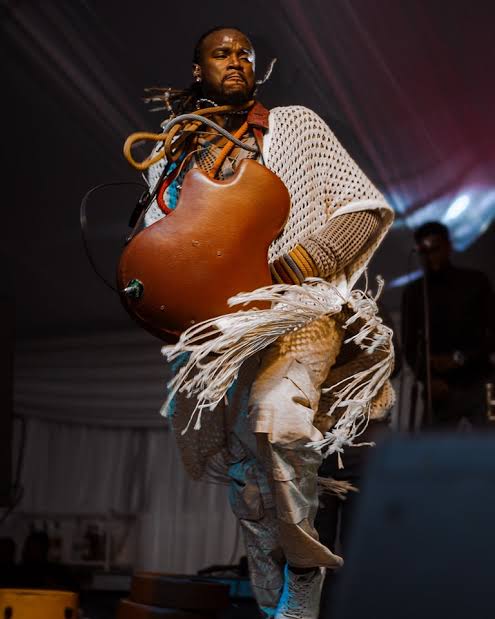
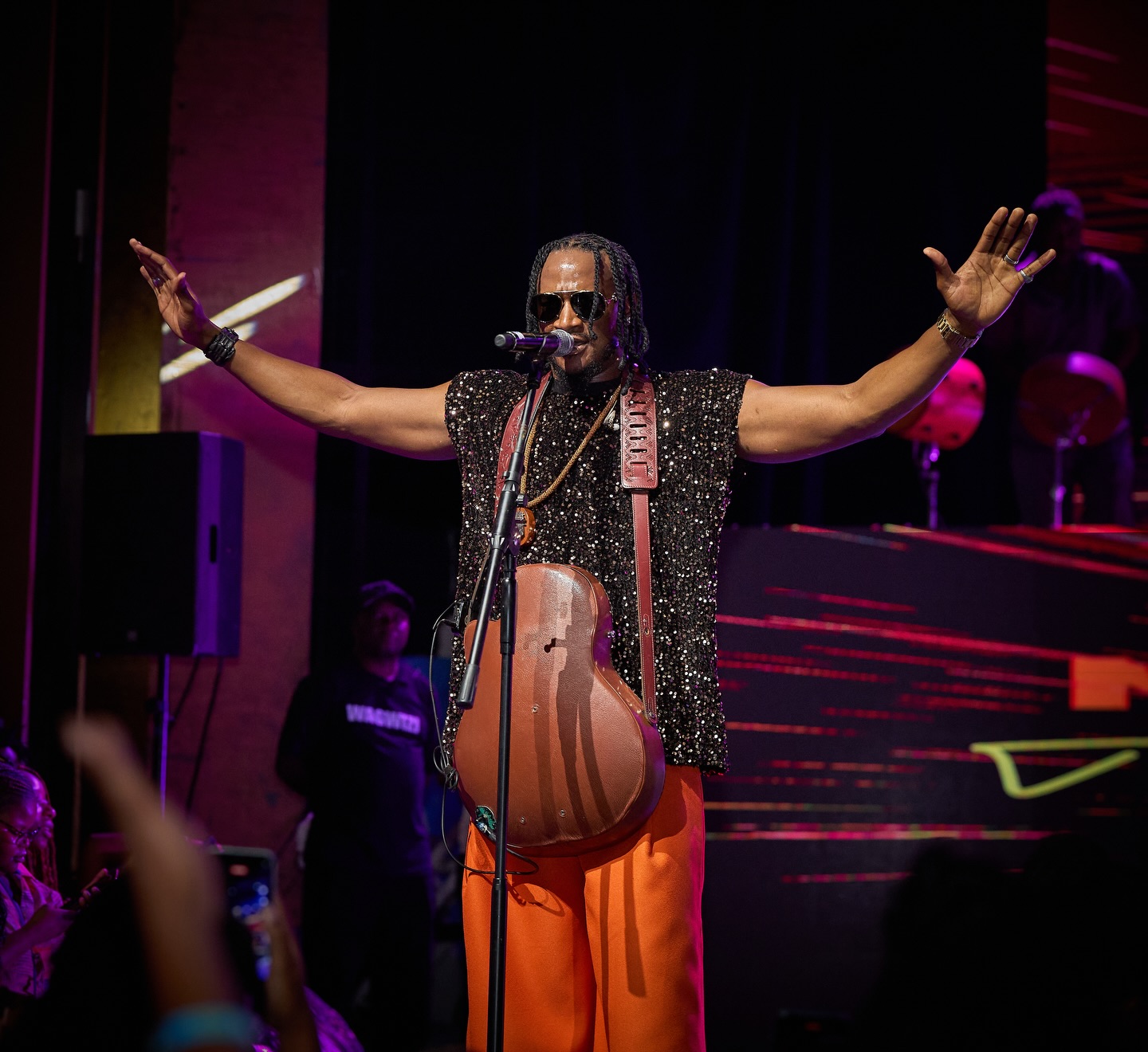
Jah Prayzah’s concerts often reflect this sensibility. His stage presence is theatrical, sometimes incorporating elaborate military-style regalia or traditional symbolism that evokes historical authority and cultural pride. These visual cues transform performance into spectacle, reinforcing the sense that his music is engaged in something larger than pop entertainment.
For younger audiences raised on streaming platforms and global pop aesthetics, this approach may initially appear unusual. Yet it resonates powerfully within Zimbabwe and across southern Africa. In a region where colonial history, liberation politics and cultural identity remain deeply intertwined, music that engages with heritage can carry a resonance beyond the dancefloor.
The international music industry is slowly rediscovering the value of such rootedness. Over the past decade, artists such as Senegal’s Youssou N’Dour and Benin’s Angélique Kidjo have continued to draw global audiences with music firmly anchored in African traditions. Their success suggests that authenticity, rather than stylistic mimicry, often provides the strongest bridge between cultures.
Jah Prayzah’s growing recognition beyond Zimbabwe reflects this shift. Diaspora audiences in the United Kingdom and South Africa have embraced his work not only as entertainment but as a cultural connection to home. For listeners navigating questions of identity and belonging, his music offers a sonic reminder of shared heritage.
The wider significance of artists like Jah Prayzah may lie in the balance they strike between preservation and innovation. African music has always evolved through adaptation, absorbing new influences while retaining core cultural structures. By combining indigenous narrative forms with modern production, he demonstrates that tradition is not a static relic but a living, adaptable language.

In the broader story of African music’s global ascent, that lesson matters. Afrobeats may dominate international charts today, but the continent’s musical imagination extends far beyond a single genre. Beneath the surface of global pop lies a deeper reservoir of sound shaped by centuries of history.
Artists such as Jah Prayzah remind us that this reservoir remains as vital as ever. Their music suggests that the future of African popular culture may not depend solely on chasing global trends, but on rediscovering the stories, rhythms and memories that have always been there.