

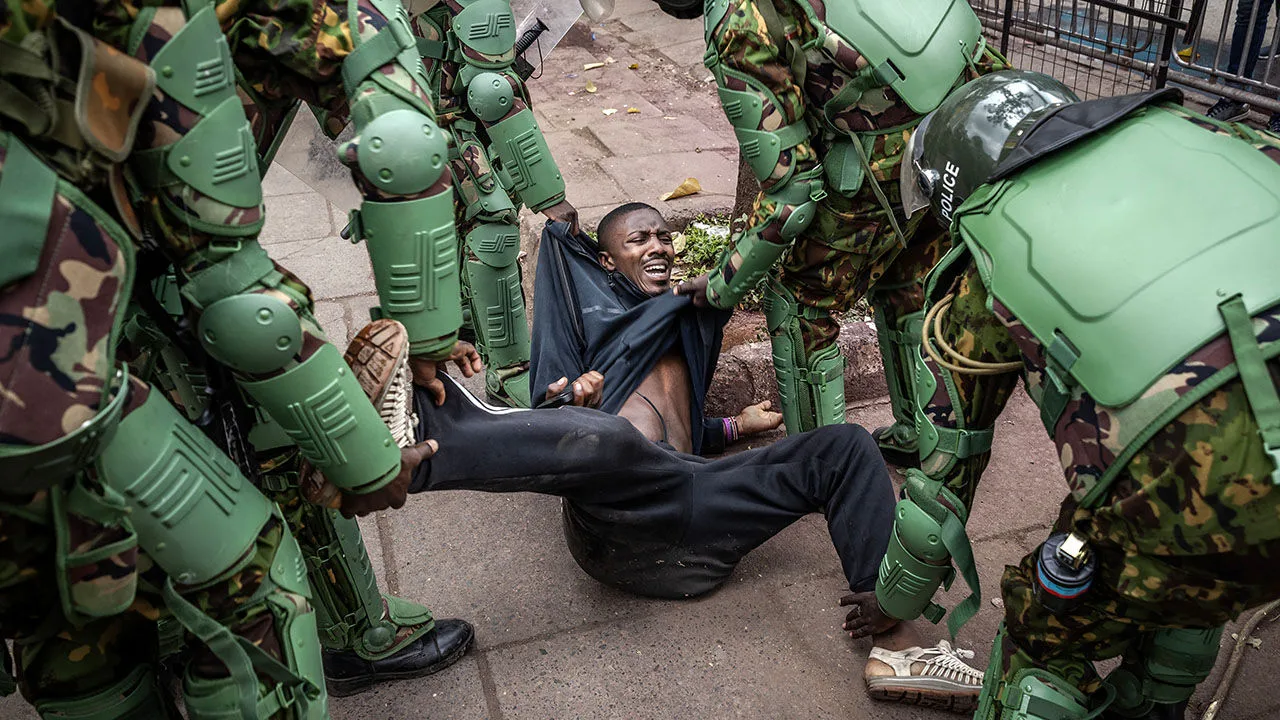
For over a month now, Kenyan youths, identifying as Gen Z, have taken to the streets to protest against President William Ruto’s government. The initial spark for these demonstrations was opposition to the Finance Bill, 2024, which many believed would impose undue financial burdens on the populace. Although President Ruto withdrew the bill, the protests have continued, with demonstrators now calling for the president’s resignation.
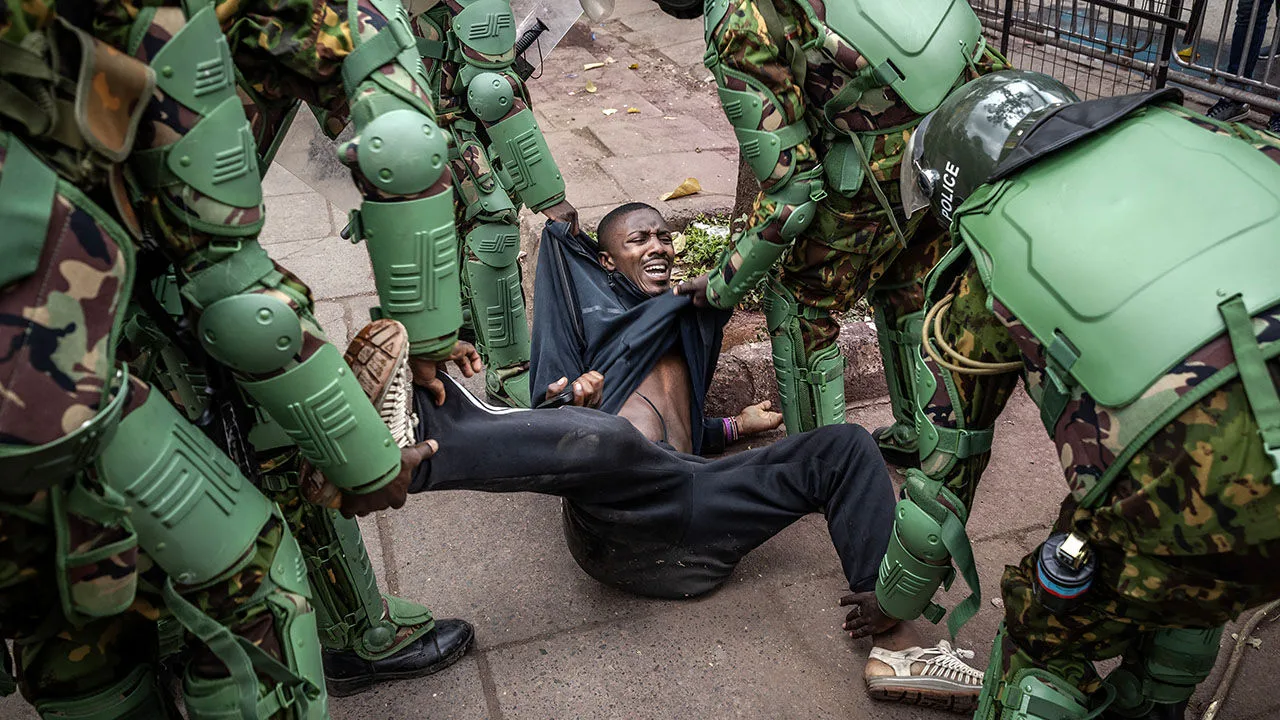
The Kenyan police’s response to these ongoing protests has involved extreme measures, including the use of live bullets. This has led to the deaths of over 50 people, drawing condemnation from both domestic and international observers. The use of such force has raised serious questions about the appropriateness and legality of the police’s actions, especially since the protests were largely peaceful until the events of June 25, 2024, when protestors set parts of the parliament building on fire and vandalized several other properties.



Article 37 of the Kenyan Constitution grants citizens the right to assemble, demonstrate, picket, and present petitions to public authorities. However, this right is not absolute and must not be used to infringe on the rights of others as outlined in Article 24 of the Constitution. The limitations on this right consider factors such as the nature of the right, the importance of the purpose of the limitation, the extent of the limitation, and whether less restrictive means could achieve the intended purpose. The right to protest is further conditioned on being peaceful and unarmed.
Despite these constitutional protections, the Kenyan police have frequently used force in their attempts to disperse protestors. The UN Basic Principles on the Use of Force and Firearms by Law Enforcement Officers explicitly states that law enforcement should avoid using force in unlawful but nonviolent assemblies. When force is unavoidable, it should be restricted to the minimum extent necessary. This international guideline brings into question the Kenyan police’s decision to use live ammunition during the protests.
The Public Order Act, Cap 56, provides the legal framework within which the Kenyan police can operate in dispersing public gatherings. Section 5(8)(a) and (b) of the Act empowers the police to disperse public gatherings if there has been a failure to notify the Officer Commanding Police Division (OC) of the intended gathering or if there is a clear and imminent danger of a breach of peace or public order. Under Section 78(1) of the Penal Code Act, gatherings are classified as “unlawful assemblies” if they cause persons in the neighborhood to reasonably fear that a breach of peace will occur.
However, even when dealing with such unlawful assemblies, the use of force must be regulated. Section 6 of the National Police Service Act (NPSA) legalizes the use of proportionate force only when dispersal orders, issued by the Magistrates Courts, are defied. Furthermore, Chapter 47(1)(d) of the Service Standing Orders, 2017 stresses that only lawful and proportionate force must be used to disperse or suppress a riotous mob.
On June 25, 2024, the situation escalated dramatically when protestors burned parts of the parliament building and vandalized other properties. In response, the police used live bullets, resulting in significant loss of life. This raises critical questions about the proportionality and necessity of the force used, in relation to governing Laws. According to the legal guidelines, force should only be used after the issuance and defiance of dispersal orders. It is unclear whether such orders were issued and ignored before the police resorted to using live ammunition.
The death of over 50 people has led to widespread outrage and calls for accountability. Human rights organizations, both within Kenya and internationally, have condemned the police’s actions and are demanding thorough investigations. They argue that the police’s response was not only excessive but also a violation of the protestors’ constitutional rights. The international community has expressed utters hock and condemnation over the events in Kenya, the UN reiterating its principles on the use of force, emphasizing the need for restraint and the protection of human life.
The ongoing situation in Kenya highlights the delicate balance between maintaining public order and respecting the rights of citizens to protest. It also underscores the need for clear guidelines and strict accountability for law enforcement agencies to prevent abuse of power.
As Kenya grapples with these challenges, the world watches closely. The outcome of these protests and the government’s response will have significant implications for the future of democratic governance and human rights in the country. The Kenyan authorities face mounting pressure to address the root causes of the unrest, ensure justice for those affected, and uphold the principles enshrined in the constitution; as they are accountable for how they maintain peace and order.
Written by Rachael Twinomugisha
Rachael Twinomugisha is a distinguished legal professional based in Kampala, Uganda. She holds a Bachelor of Law (Honours) from Nkumba University and is currently pursuing a Post Graduate Diploma in Legal Practice at the Law Development Centre in Mbarara, Uganda.
Rachael has a rich background in legal writing and editing, having served as the Editor at Writers Space Africa Magazine. She is also the founder of Tale Tale Africa, an initiative dedicated to promoting African Children’s literature and storytelling. Her expertise in law and passion for writing uniquely position her to provide insightful analysis on contemporary legal issues.



