

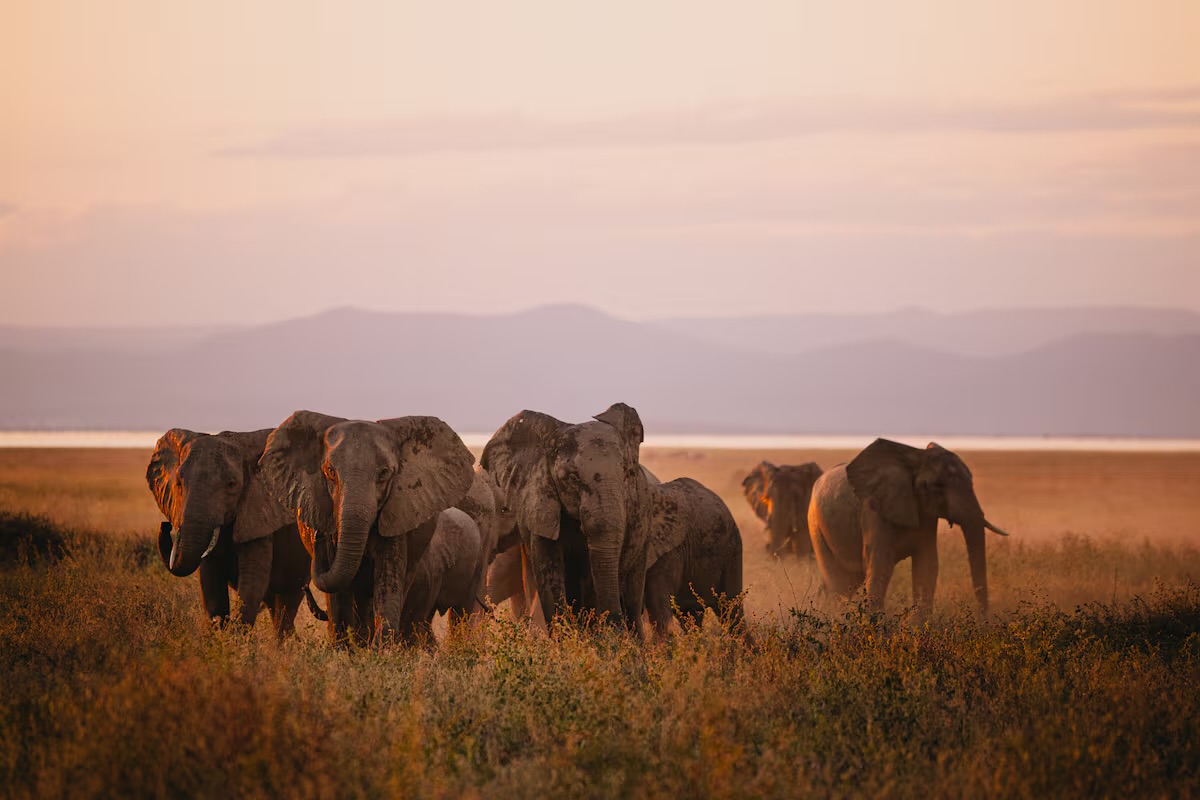
Zimbabwe recorded 62 fatalities and 81 injuries in human-wildlife encounters across the country in 2025, according to figures released by the Zimbabwe Parks and Wildlife Management Authority (ZimParks). The figures reflect a steady rise in such incidents from the previous year, when 49 people were killed and 90 were injured.
Speaking to the Zimbabwe Broadcasting Corporation, ZimParks spokesperson Tamirirashe Mudzingwa stated that the increase in reported cases highlights both an expansion in wildlife populations and improvements in community-based reporting systems. Hyenas, crocodiles, and elephants were cited as the main species involved in attacks, often in areas where human settlements overlap with wildlife territories.
ZimParks confirmed that 556 problem animals were neutralised during the year in an effort to reduce risks to human life and livestock. The majority of these cases were concentrated in districts bordering protected areas, where people depend heavily on agriculture and livestock rearing.




Authorities have linked the growing human-wildlife conflict to a combination of ecological and socio-economic pressures. Expanding settlements, agricultural encroachment, and the loss of natural habitats have increasingly brought communities and wild animals into direct contact. Climate variability and prolonged drought conditions have further intensified competition for water and grazing resources, particularly in the country’s arid southern and north-western regions.
Experts suggest that these encounters are symptomatic of broader challenges faced by conservation systems across southern Africa. While Zimbabwe continues to host one of the largest elephant populations on the continent after Botswana, this abundance also places pressure on limited resources. According to conservation analysts, maintaining ecological balance requires carefully managed coexistence between communities and wildlife rather than the isolation of the two.
In response to mounting losses, the Zimbabwean government introduced a Human-Wildlife Conflict Relief Mechanism in 2025 to support affected households through compensation and assistance programmes. The scheme seeks to strengthen community resilience and encourage local participation in wildlife management.
Environmental scholars have emphasised that long-term solutions will depend on inclusive land use planning, investment in conservation-compatible livelihoods, and the restoration of degraded ecosystems. The broader African conservation landscape reflects similar tensions, as countries balance the protection of biodiversity with the rights and welfare of rural populations.
Zimbabwe’s rich biodiversity, which includes elephants, lions, giraffes, crocodiles, zebras, antelopes, and hippopotamuses, remains a cornerstone of national identity and a vital asset for tourism and ecological sustainability. Yet, as Mudzingwa noted, “coexistence demands shared responsibility and consistent dialogue between communities, conservationists, and the state.”

The 2025 data underscores the need for adaptive conservation policies grounded in local realities and informed by African ecological knowledge systems. As regional initiatives continue to promote cross-border wildlife corridors and community-based management, Zimbabwe’s experience offers both a warning and an opportunity: that the future of African conservation must remain deeply rooted in local stewardship and mutual coexistence rather than exclusion.


