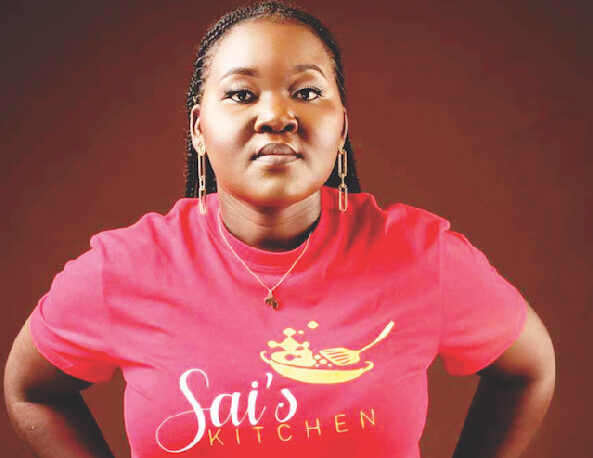
In the heart of Havana, an informal settlement located a mere 10 kilometres from Windhoek’s city centre, a culinary revolution is quietly taking place. This bustling enclave, often overshadowed by its more affluent neighbours, is now home to Sai’s Kitchen—a gastronomic venture that has defied both expectation and circumstance to become a beacon of entrepreneurial success.
At the helm of this enterprise is Saima Mukwiilongo, a 30-year-old mother and visionary who founded Sai’s Kitchen in 2017. From its modest beginnings in a corrugated iron structure, the eatery has grown into a thriving business that not only serves the local community but also attracts patrons from across the capital. Mukwiilongo’s mission, however, extends beyond mere commercial success; she seeks to elevate traditional Namibian cuisine, create employment, and redefine business norms in areas where informal, unregistered enterprises predominate.
The genesis of Sai’s Kitchen is as inspiring as it is unexpected. Mukwiilongo’s passion for food was ignited while she was a student at the International University of Management, where she pursued a degree in HIV/AIDS management. To offset her tuition costs, she took on a job at a local restaurant. There, she discovered a latent culinary talent, one that would eventually guide her away from her initial career path and towards the establishment of her own business.



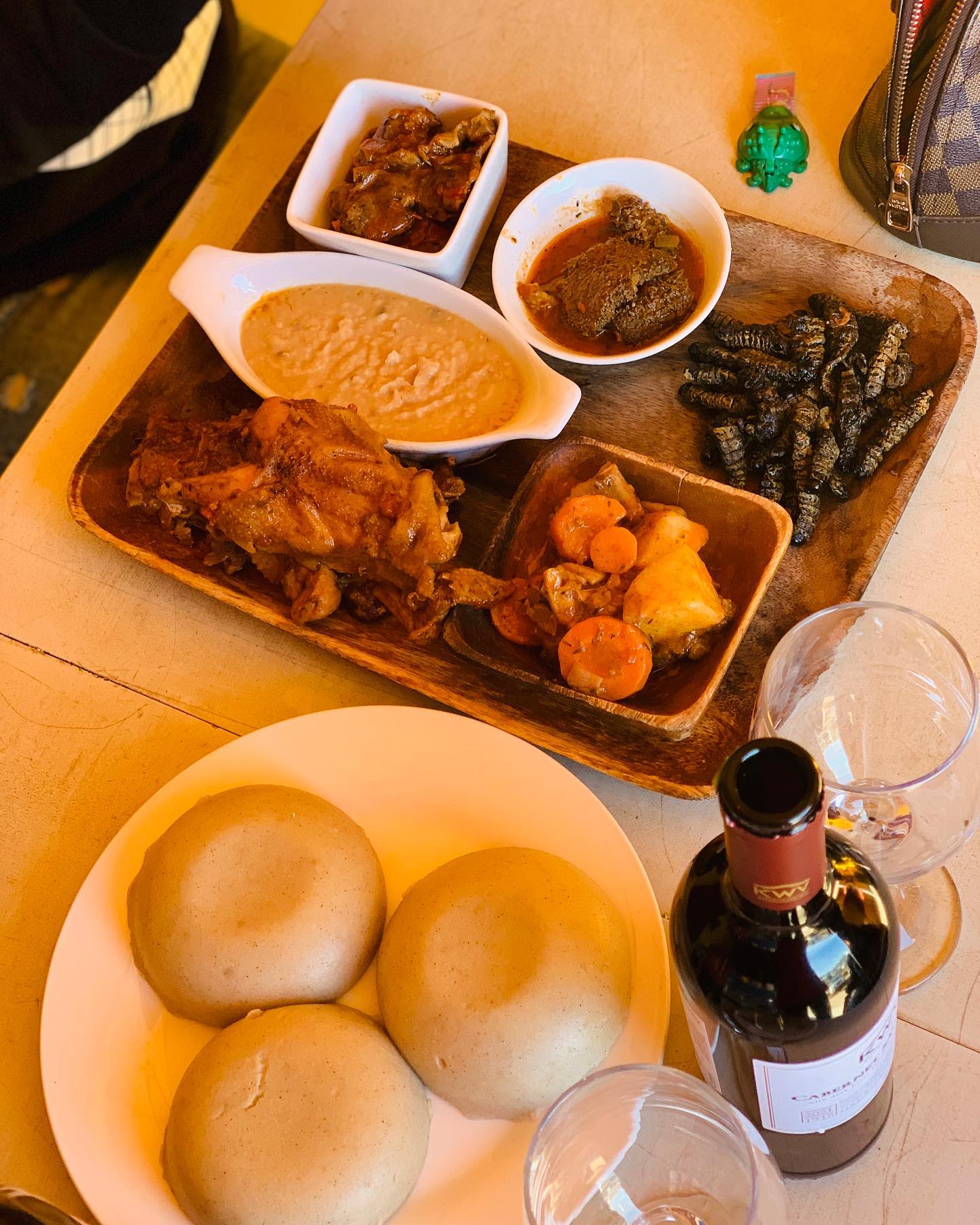

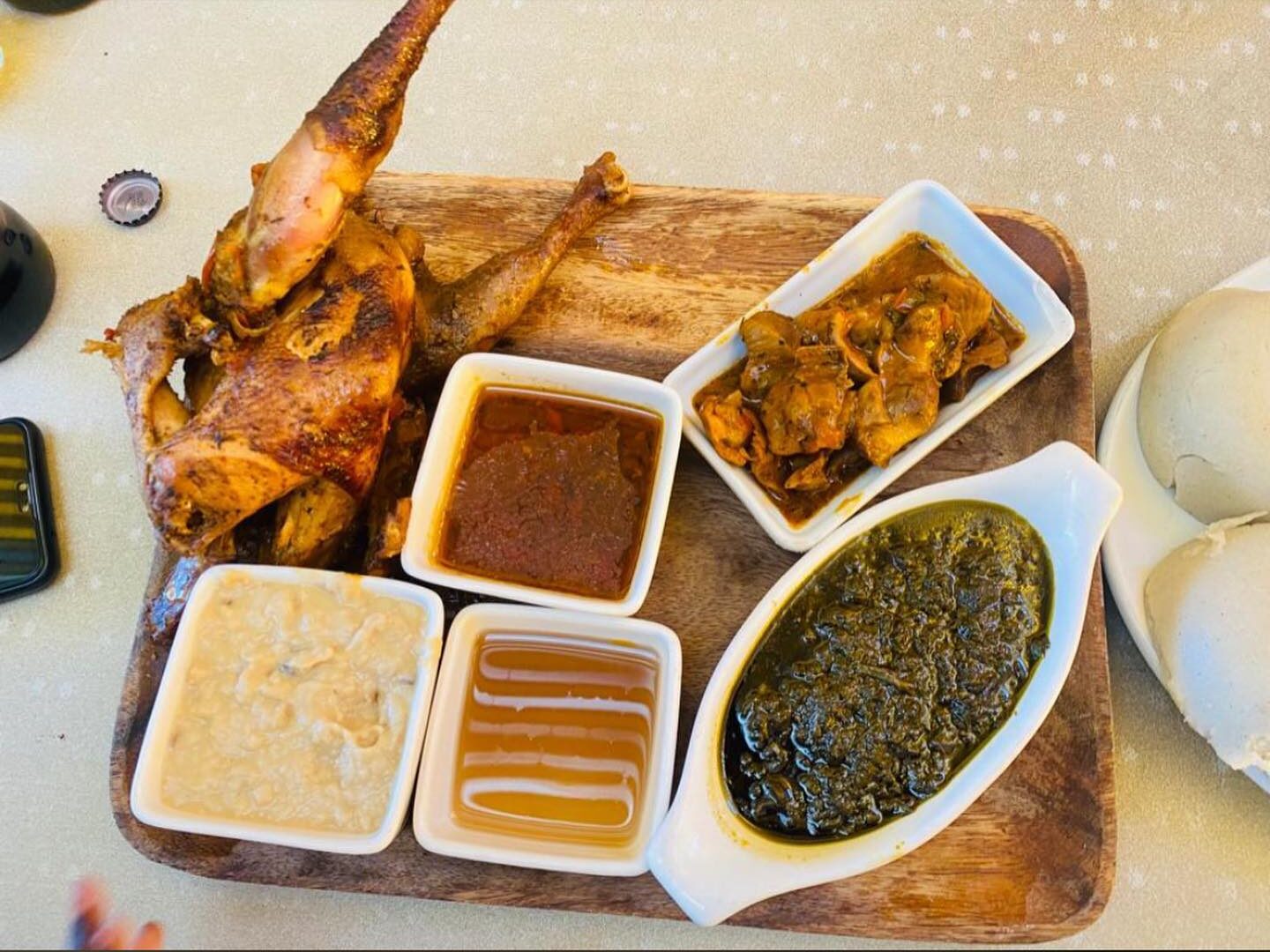
Sai’s Kitchen, named after the first three letters of Mukwiilongo’s name, offers a menu that is both a celebration and a preservation of Namibia’s rich culinary heritage. The eatery serves a variety of traditional dishes, meticulously prepared using indigenous ingredients such as mahangu (pearl millet), tripe, marula oil, and local vegetables. Each meal is a homage to the nation’s cultural roots, designed to evoke nostalgia and a sense of belonging among patrons who might otherwise have lost touch with their culinary traditions in the urban sprawl of Windhoek.
The success of Sai’s Kitchen is emblematic of Mukwiilongo’s business acumen, particularly her innovative approach to blending traditional and contemporary business practices. While the physical structure of her establishment may reflect the modesty of its surroundings, the business model itself is anything but. Mukwiilongo has adopted a formalised and customer-friendly approach that is a rarity in informal settlements. This, coupled with an aggressive social media strategy, has allowed her to attract a diverse clientele, including tourists seeking an authentic Namibian experience and locals eager to reconnect with their cultural roots.
In the six years since its inception, Sai’s Kitchen has served nearly 10,000 customers, transforming from a one-woman operation into an employer of ten. The eatery has not only provided much-needed jobs in a country where the unemployment rate hovers at 33.4 percent but has also contributed to the local economy by sourcing ingredients from nearby vendors. This commitment to community is a cornerstone of Mukwiilongo’s business philosophy, reflecting her belief that entrepreneurship should begin at home and have a tangible impact on one’s immediate environment.
The ripple effects of Sai’s Kitchen extend beyond the economic sphere. By drawing visitors to Havana, Mukwiilongo’s venture has facilitated greater social cohesion and a deeper appreciation for the cultural diversity within Windhoek. Customers like Apollo Shigwedha, who have been introduced to the settlement through Sai’s Kitchen, testify to the establishment’s role in broadening perspectives and fostering multiculturalism.
Despite its successes, Sai’s Kitchen is not without challenges. The volatility of client numbers and the rising cost of ingredients present ongoing difficulties as Mukwiilongo seeks to scale her business. However, she remains undeterred, with plans to diversify the menu to include other African cuisines and to expand her enterprise to additional locations within Windhoek.
Mukwiilongo’s journey from a university student with a side job to the proprietor of one of Windhoek’s most talked-about eateries is a testament to the power of vision, resilience, and the transformative potential of leveraging tradition in the modern marketplace. As she looks to the future, her primary focus remains steadfast: to continue bringing hope and opportunity to her community, one meal at a time.