GoviEx Uranium Inc. has made a significant stride in the advancement of its Muntanga Uranium Project, situated in Zambia’s Southern Province, with the formal submission of its draft Environmental and Social Impact Assessment (ESIA) to the Zambian Environmental Management Agency (ZEMA). This marks a pivotal moment in the transition of the project from the feasibility phase toward its execution, placing Muntanga among a select group of uranium ventures approaching near-term production readiness in the global market.
The draft ESIA, an integral regulatory milestone, was compiled in accordance with ZEMA’s environmental compliance standards and reflects GoviEx’s commitment to sustainable development. The review process by ZEMA is expected to be detailed and iterative. Upon receipt of feedback and technical inputs, GoviEx intends to incorporate the necessary modifications and submit the final ESIA in the latter half of 2025 for approval. The ESIA addresses environmental safeguards, community engagement, socio-economic impact, and mitigation strategies, aligning with both local statutory requirements and international best practices.
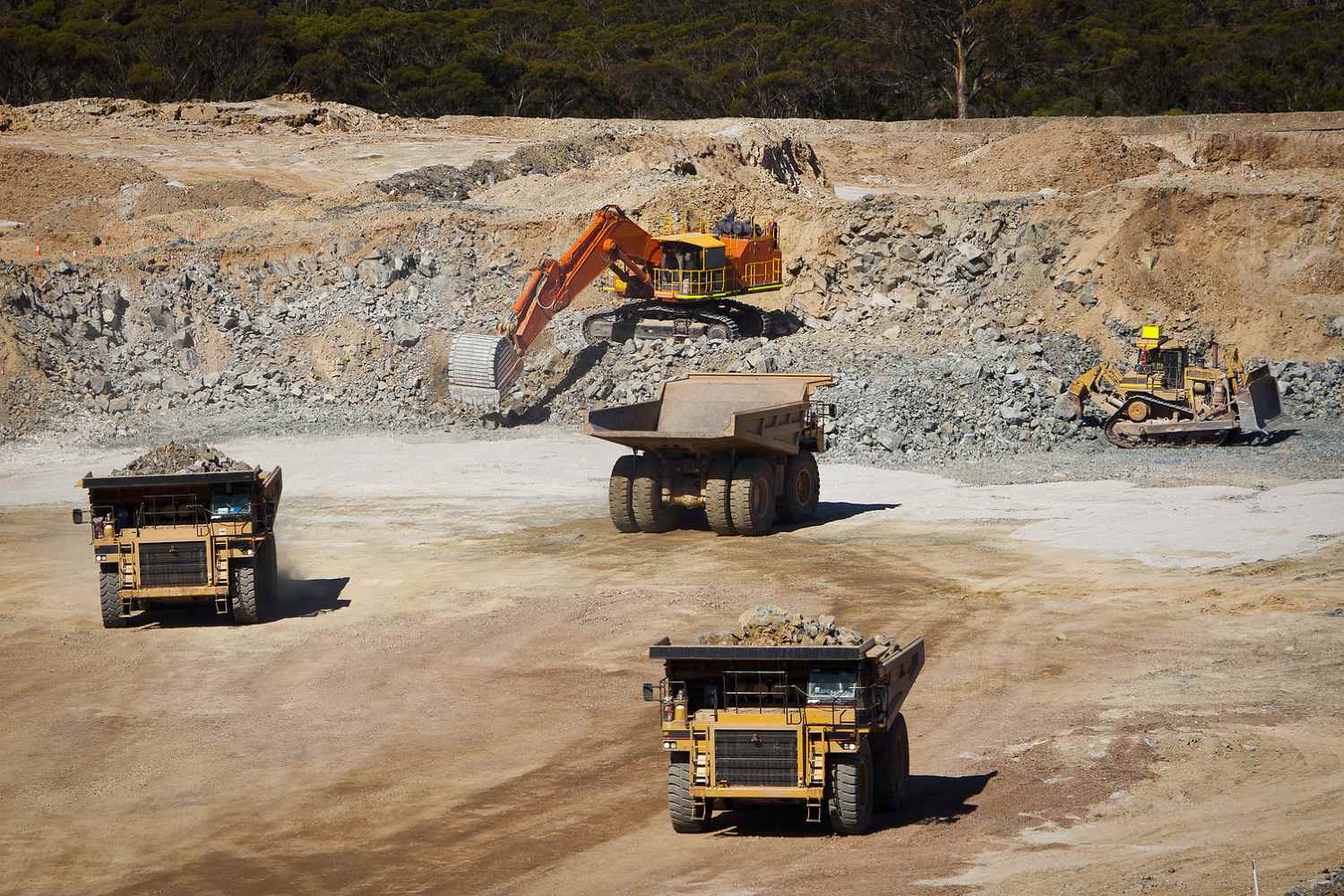
This development follows the successful completion of a comprehensive Feasibility Study on the Muntanga Project, which confirmed the viability of the asset as a shallow, open-pit operation employing heap leach processing technology. The project boasts a projected mine life of 12 years, reflecting a robust economic profile underpinned by a low-cost operating model. Financial modelling from the study revealed a compelling post-tax Net Present Value (NPV) of USD 243 million (discounted at 8%) and an Internal Rate of Return (IRR) of 20.8%, suggesting a strong investment case under current and anticipated uranium market dynamics.



The strategic significance of Muntanga extends beyond its technical and economic fundamentals. The project’s location in Zambia offers logistical advantages, including well-developed infrastructure, access to regional export corridors via port facilities in Namibia and South Africa, and favourable policy support from a mining-oriented government. The presence of a domestic surplus of sulphuric acid—a critical reagent in uranium leaching processes—further enhances operational efficiencies and environmental control, particularly in reagent transport and storage.

With uranium production expected within four months of mine commencement, GoviEx’s timeline from construction to output is notably rapid. First production is projected for 2028, positioning the Muntanga Project to contribute to alleviating the forecasted supply shortfall in the global uranium market. According to the World Nuclear Association, global uranium demand is anticipated to rise by over 28% by 2030, driven by increased adoption of nuclear energy as a low-carbon power source in both industrialised and emerging economies. Projects such as Muntanga, therefore, are not only of commercial interest but also carry strategic importance in supporting global energy transitions and security of fuel supply.
GoviEx is concurrently engaged in discussions with potential off-take partners, spanning both Western and non-Western nuclear markets. The project’s geopolitical neutrality and location in a politically stable African jurisdiction enhance its attractiveness to a diverse array of utility buyers seeking to diversify supply sources amid increasing resource nationalism and geopolitical tensions in traditional uranium-producing regions.
Founded in 2006, GoviEx Uranium Inc. is a Canada-based mineral resource company with a primary focus on the exploration and development of uranium properties in Africa. In addition to the Muntanga Project, its asset portfolio includes the Madaouela Project in Niger and the Falea Project in Mali. The company is publicly listed on the TSX Venture Exchange and the OTCQX Market. The Muntanga Project, acquired in 2016, has since undergone several resource updates and technical evaluations, culminating in its current feasibility status.
Zambia, historically known for its copper endowment, is progressively diversifying its mineral production base. The government’s strategic shift toward embracing energy-critical minerals, including uranium, reflects broader trends across Africa, where resource-rich nations seek to capitalise on the growing demand for clean energy inputs. The Zambian Mines and Minerals Development Act provides the legislative framework for mining operations, while the Zambian Environmental Management Agency ensures environmental compliance and sustainability in project implementation.
In recent years, Zambia has positioned itself as an increasingly attractive investment destination for mining ventures, backed by improved regulatory transparency, infrastructure upgrades, and investor protections. These structural factors, in combination with GoviEx’s technical credentials and project maturity, suggest that the Muntanga Project is well-positioned to become one of the continent’s key uranium producers in the near term.
The Muntanga development comes at a time when the uranium sector is experiencing a marked resurgence. Spot prices have climbed significantly in the last 18 months, driven by renewed commitments to nuclear power across Europe, Asia, and North America. Supply constraints—partially resulting from underinvestment during the past decade—have heightened the urgency to bring new projects online, especially those with strong ESG profiles and short lead times to production.
Should final ESIA approval be secured within the expected timeframe, construction activities are likely to commence in early 2026, setting in motion the realisation of one of Africa’s most promising uranium projects. Muntanga’s contribution will not only strengthen Zambia’s mining sector diversification but will also play a role in meeting the global community’s cleaner energy ambitions through the supply of reliable nuclear fuel.