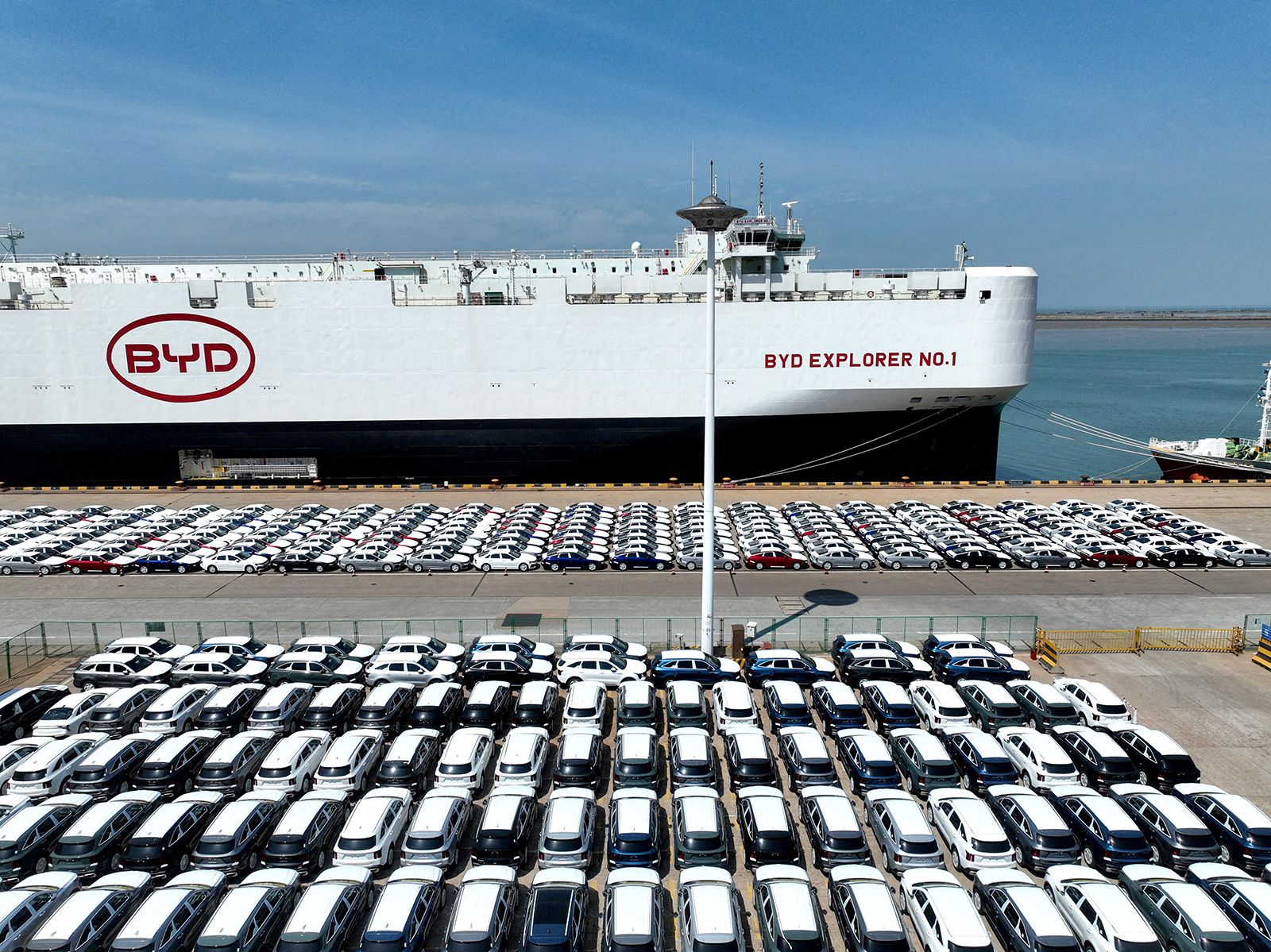
On October 4, the European Union (EU) undertook a momentous vote concerning an “anti-subsidy investigation” targeting the importation of Chinese-manufactured electric vehicles (EVs) into its 27-member bloc. This pivotal decision not only marks a significant juncture in EU-China relations but also poses substantial implications for the EU’s overarching ambition to expedite its energy transition—a goal that is intrinsically linked to trade dynamics, particularly with African nations.
The proposal to levy a staggering 35.3 percent tariff atop an existing 10 percent tax illustrates the EU’s most stringent response to external competition yet. In contrast, competitors such as Tesla face a considerably lower tariff of just 7.8 percent. The EU’s rationale behind this punitive measure hinges on the assertion that Chinese manufacturers benefit from state subsidies, thereby allowing them to undercut European competitors. This assertion, however, raises eyebrows given the EU’s own historical tendencies toward protectionism and the myriad of supports extended to its domestic automotive giants.
The immediate ramifications of this “nuclear option”—a potential escalation to a 45 percent tariff—could ignite a trade war, adversely affecting European exports, including brandy, dairy, and pork products, which are already under scrutiny. Such retaliatory measures threaten the interests of consumers and businesses on both sides, particularly amidst a backdrop of global economic uncertainty that looms heavily over both the EU and Africa.



Voices within the automotive industry echo this concern. For instance, Mercedes-Benz CEO Ola Kallenius urged the German government to reject the proposed tariffs, advocating for a diplomatic resolution with China. His sentiments were mirrored by the head of BMW, prompting German Chancellor Olaf Scholz to pivot from an earlier abstention to a definitive “no” on the measure. While hopes for a unified “no” vote dissipated, the shift indicates a palpable desire among EU leadership for a negotiated settlement.

The European Commission (EC) has signalled an openness to discussions, yet the absence of a clear strategy hampers progress. As one EU diplomat candidly remarked, “There’s no joint strategy on China. We’re basically just muddling through.” This lack of clarity not only complicates negotiations with China but also undermines the EU’s relationships with its African partners, who may view such tariff measures as an indication of the EU’s prioritisation of regional concerns over global collaborative efforts.
This trade standoff occurs against the backdrop of the EU’s commitment to banning new combustion engine cars by 2035. Achieving such a transformative objective necessitates not only a robust automotive sector but also widespread public acceptance of EVs, hybrids, and hydrogen vehicles, alongside the requisite infrastructure to support this shift. Unfortunately, all indications suggest that progress has stagnated. While early adopters have embraced EV technology, broader consumer hesitancy persists, exacerbated by fears of depreciating vehicle values—an apprehension rooted in the Volkswagen diesel emissions scandal, which severely undermined confidence in traditional automotive practices.
Leading European manufacturers, including Renault, Porsche, and Volvo, have announced delays in their plans to cease production of combustion engines, reflecting a broader uncertainty that a trade dispute could exacerbate. The stakes are especially high for African nations looking to navigate the dual challenges of economic growth and climate change. An escalating trade war could stifle the import of necessary technology and vehicles, ultimately hindering Africa’s energy transition efforts and ambitions for sustainable development.
In light of these dynamics, manufacturers within the EU are calling for a definitive regulatory framework. Volvo’s CEO Jim Rowan has spearheaded a consortium of 50 industry leaders advocating for the EU’s commitment to its 2035 targets. “Electrification is the single biggest action our industry can take to cut its carbon footprint. The 2035 target is crucial to align all stakeholders on this journey and ensure European competitiveness,” he stated.
The recent vote to impose punitive tariffs jeopardises this crucial journey. Such measures risk closing the door on opportunities for collaboration and mutually beneficial trade, while simultaneously paving the way for a less competitive market landscape. Both European consumers and the global environment stand to suffer should this trajectory continue unchecked.