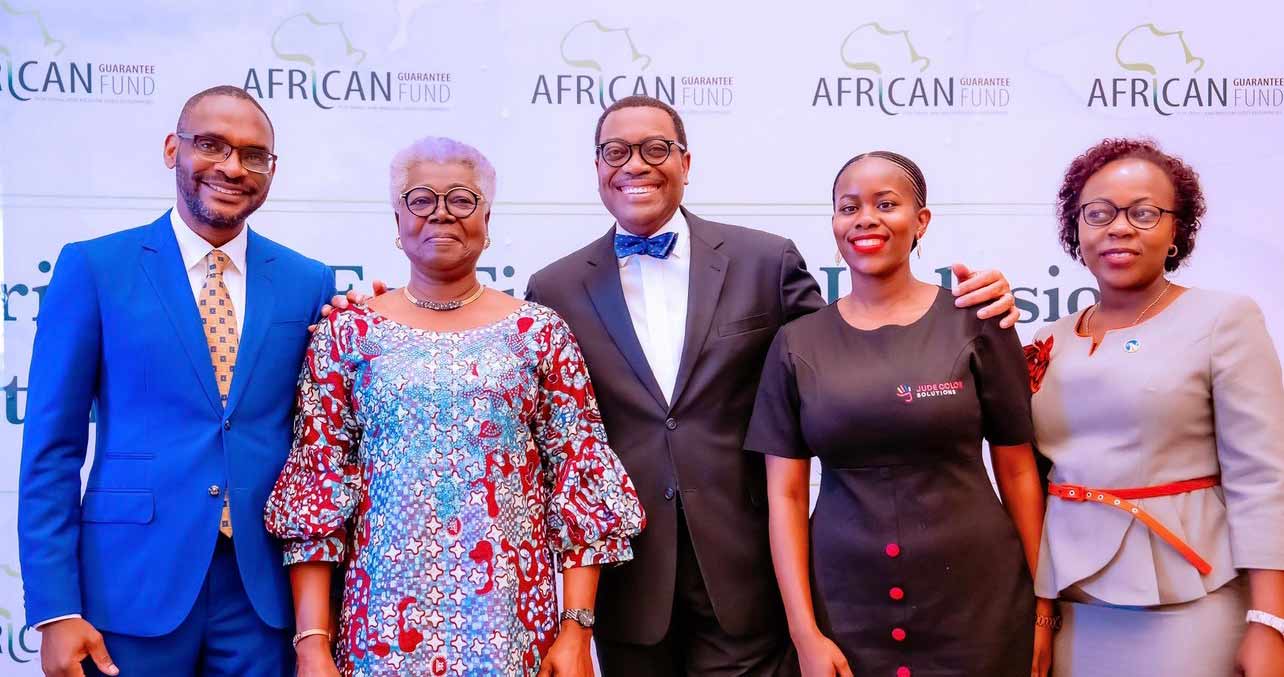
On this year’s United Nations Micro, Small and Medium-sized Enterprises (MSMEs) Day, the focus was on leveraging the resilience of MSMEs to accelerate sustainable development and eradicate poverty amidst multiple crises. The African Development Bank’s Affirmative Finance Action for Women in Africa (AFAWA) Bank of the Year 2024, Centenary Rural Development Bank, embodies this spirit.
Centenary Bank has made significant strides in supporting Uganda’s women-led enterprises through its participation in the AFAWA Guarantee for Growth program. Michael Jjingo, the General Manager for Commercial Banking and SME Banking at Centenary Bank, shared insights into how the bank’s initiatives have been tailored to uplift some of the country’s smallest women-led businesses.
Supawoman: Tailored Support for Women Entrepreneurs
The “Supawoman” product is a testament to Centenary Bank’s commitment to fostering growth among underprivileged women entrepreneurs. As Jjingo explains, the product targets women who operate on the fringes of the economy—roadside sellers, hawkers, market vendors, and retailers—many of whom are illiterate and possess minimal capital, often ranging from as little as $20 to $100. These women typically lack formal accounts and collateral, presenting significant challenges to scaling their businesses.
Uganda’s demographics underscore the importance of this initiative. Women constitute 51% of the population, and 65% of SMEs are run by women. However, a staggering 65% of these women are financially excluded. Recognising this, Centenary Bank has successfully scaled its women customer base by 23% over three years through products like the “Centre Supawoman” account, which offers essential financial services to these women.
Mission-Driven Focus on Financial Inclusion
Despite the apparent risks of banking with clients who have no collateral and minimal savings, Centenary Bank views this mission as critical. The bank’s focus is on underprivileged individuals, particularly in rural areas, providing them with access to affordable banking services. This approach not only aligns with the bank’s mission but also supports broader economic development by enabling women to scale their businesses and achieve financial independence.
Customised Financial Products
To tailor financial products effectively for women entrepreneurs, Centenary Bank conducted a baseline survey with donor support to understand their needs. The result was a charge-free banking product with interest and a group-based account structure. Additionally, the bank introduced a loan product that does not require security deposits and offers exclusive pricing. This dual-service offering has proven to be transformative for many women entrepreneurs.
Leveraging the AFAWA Guarantee for Growth
The AFAWA Guarantee for Growth programme, implemented by the African Guarantee Fund, has been instrumental for Centenary Bank. It allows the bank to extend credit to women entrepreneurs who have scaled beyond the bank’s typical risk appetite for unsecured loans. One notable success story is Jude Colour Solutions, a women-led micro-business that started in a garage. With the bank’s support, the company has grown into an SME, operating a tailoring plant for corporate uniforms and marketing materials in Kampala. This success illustrates the potential of financially inclusive banking services to transform lives and businesses.
The collaboration between Centenary Bank and the AFAWA programme exemplifies the potential of targeted financial support to empower women entrepreneurs. As highlighted by Jjingo, given the opportunity for financial inclusion, these women can achieve remarkable feats, driving economic growth and fostering sustainable development in Uganda.
By focusing on the needs of underprivileged women and providing them with tailored financial services, Centenary Bank is not only enhancing financial inclusion but also contributing to the broader goal of poverty eradication and sustainable development.