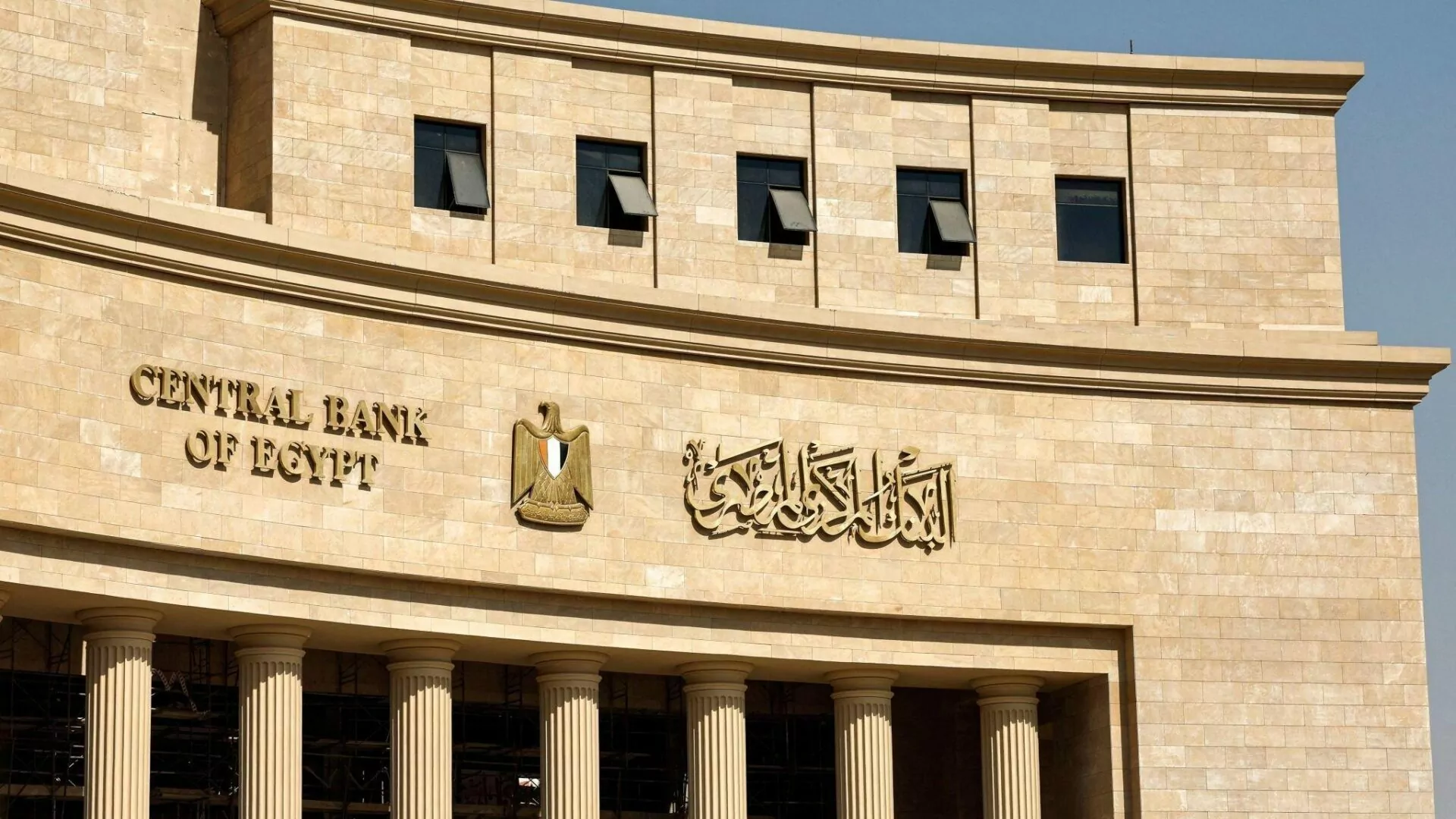
The Central Bank of Egypt (CBE) has reduced its key interest rates by 100 basis points, equivalent to one percentage point, in a move that reflects growing confidence in the country’s economic resilience amid a gradual easing of inflationary pressures.
The decision, announced by the CBE’s Monetary Policy Committee (MPC) on Thursday, brings the deposit rate down to 20 percent, the lending rate to 21 percent, and both the main operation and discount rates to 20.5 percent. The central bank emphasised that the adjustment follows a reassessment of inflation trends and the overall economic outlook since the last policy meeting.
Recent data released by the CBE indicate that annual urban headline inflation eased slightly to 12.3 percent in November, compared to 12.5 percent in October. The moderation was largely attributed to a deceleration in food price inflation, which dropped to 0.7 percent in November from 1.5 percent a month earlier. While inflation remains above pre-pandemic levels, the central bank’s policy shift suggests a cautious optimism about Egypt’s economic trajectory.




This latest cut marks the fifth reduction in benchmark interest rates in 2025, underscoring the central bank’s strategy to balance inflation control with the need to support growth and private sector activity. The move also aligns with Egypt’s broader efforts to stabilise its macroeconomic framework following years of external pressures, including fluctuating global commodity prices and the lingering impact of supply chain disruptions.
Economists have noted that the CBE’s decision may encourage domestic investment and lending, particularly in sectors such as manufacturing and construction, which have shown steady recovery over the past year. However, they also caution that sustained progress will depend on structural reforms and the government’s ability to maintain fiscal discipline.
Within the African context, Egypt’s monetary policy adjustments offer an instructive case study of how African economies are navigating post-pandemic recovery while addressing inflation and currency volatility. The country’s monetary recalibration demonstrates the increasing sophistication of African central banks in managing complex economic transitions without externalising policy narratives.
The CBE’s approach also reflects a broader continental aspiration to assert policy autonomy and craft economic responses that are both contextually relevant and grounded in national realities rather than externally imposed models. In doing so, Egypt continues to signal its determination to consolidate financial stability while nurturing inclusive economic development.